The Winemaker’s Anti-inflammatory Diet
How we try to eat as a winemaking family in the Napa Valley, world-famous for farm-to-table cuisine: Eat seasonally, organically, and regionally.
Look to the traditional wisdom of your ancestors for food preparation techniques that enhance nutrient-density. Support local farmers and ranchers. Grow as much of your own food as you can.
Eat as many whole, organic, unprocessed foods as possible, including meat and eggs from organic/pasture-fed animals, wild fish and shellfish, organic full-fat dairy (preferably raw and/or fermented), cooked, raw, and fermented organic fruits and vegetables, and whole grains, legumes and nuts that have been soaked or sprouted for nutrient bioavailability and digestibility.
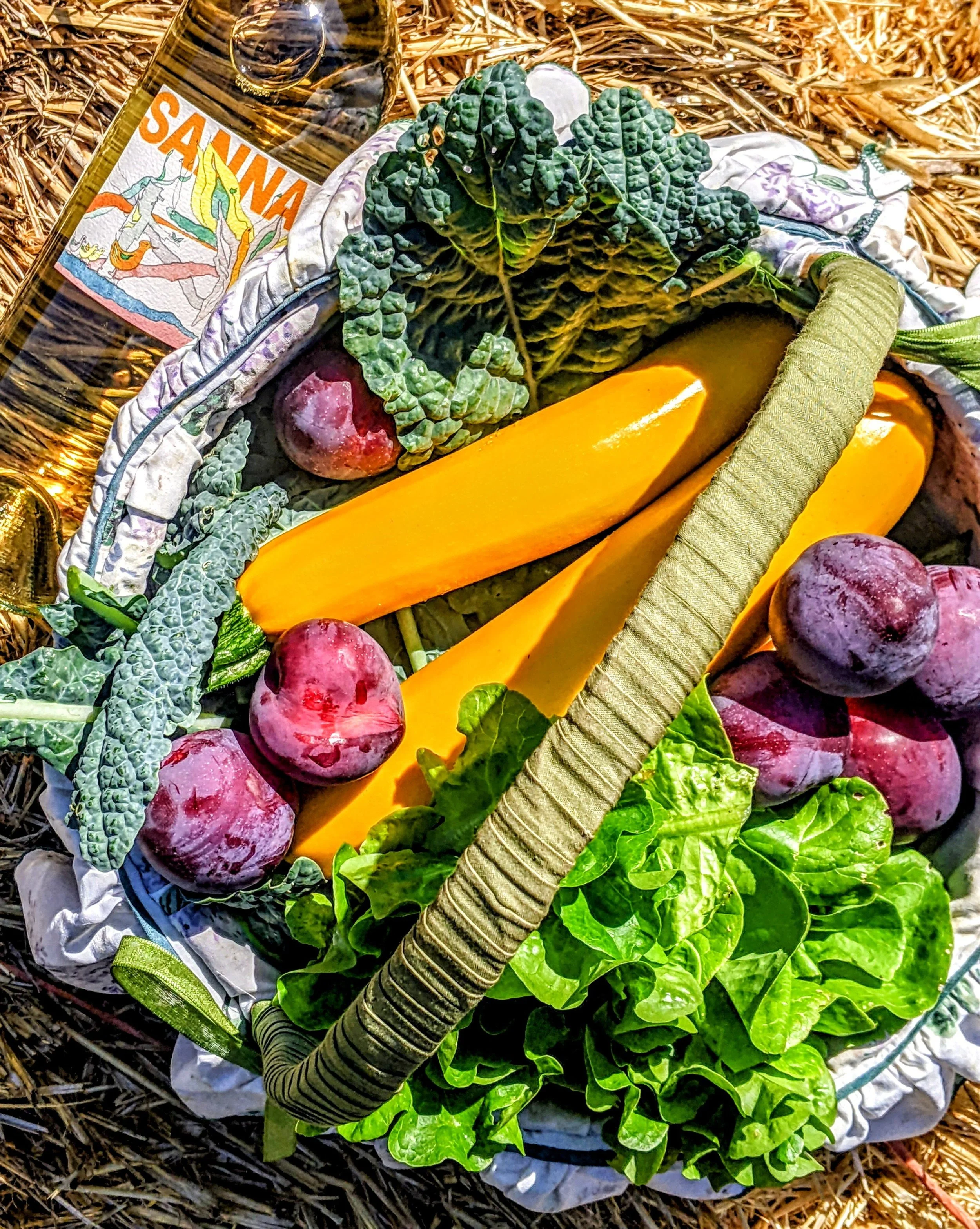
I use both traditional animal fats (tallow, lard, butter) and cold-pressed vegetable oils like extra virgin olive oil liberally. Whenever possible, I throw a handful of fresh herbs like oregano, rosemary, basil, and parsley from my kitchen garden onto a dish, as herbs are dense with healing compounds and antioxidants. We filter our water and use unrefined salt in cooking.
I do try to avoid refined flour and sugar, instead using sprouted wheat flour and natural sweeteners (honey, maple syrup) in moderation—unless it’s someone’s birthday or I feel particularly compelled to make a deep dive into patisserie. Fermented foods like sourdough bread contain antioxidants, so I’ll substitute good bread for commercial pasta when I’m being mindful about health.
We prioritize deliciousness and satiety and meals enjoyed together at the table without screens and distractions. Relish a glass (or two) of good wine made from organically-farmed/clean-farmed grapes with meals for the way wine enhances flavor and elevates the experience of dining.

I’ve been married to a winemaker for almost 35 years now, and I can confidently say that developing an educated palate has caused us to prefer subtle flavors, sour flavors, good bitter flavors, all of which have led us to prefer a “clean” diet, as opposed to one saturated in artificial flavorings.
Meals are a time for relaxation, communication, and connection, and enjoying wine in moderation encourages this atmosphere of celebrating life’s small luxuries and beauty in the midst of life’s challenges. Pleasure is important, even spiritually enlivening; deprivation is no virtue. Feeding the body (mind, & spirit) is a full-time job.
The best way to “eat the rainbow”? Organically. Plus, something raw, something cooked, something sprouted or fermented. Make Mom proud.
Can wine be part of a healthy, anti-inflammatory diet? Absolutely. According to Esther Mobley, writing in The Wine Spectator, “ Many doctors recommend wine as a beneficial component of an anti-inflammatory diet…Red wine's most famous polyphenol, resveratrol, has been shown to prevent chronic systemic inflammation…Perhaps resveratrol's most powerful anti-inflammatory effects, however, are due to its antioxidant properties.”
Even Dr. Andrew Weil, MD, the pioneering physician behind the anti-inflammatory diet, recommends the occasional glass of red wine or dark chocolate. (I’d ensure the wine is glyphosate-free and the chocolate free of heavy metals, though, or you’re doing yourself more harm than good.)
White wine contains simple phenols also found in extra-virgin olive oil. According to the paper “Anti-inflammatory Effect of White Wine in CDK Patients and Healthy Volunteers” (Migliori, M., et al): “Plasma markers of chronic inflammation were significantly reduced in CKD patients during the combined consumption of white wine and olive oil, suggesting a possible anti-inflammatory effect of this nutritional intervention.”
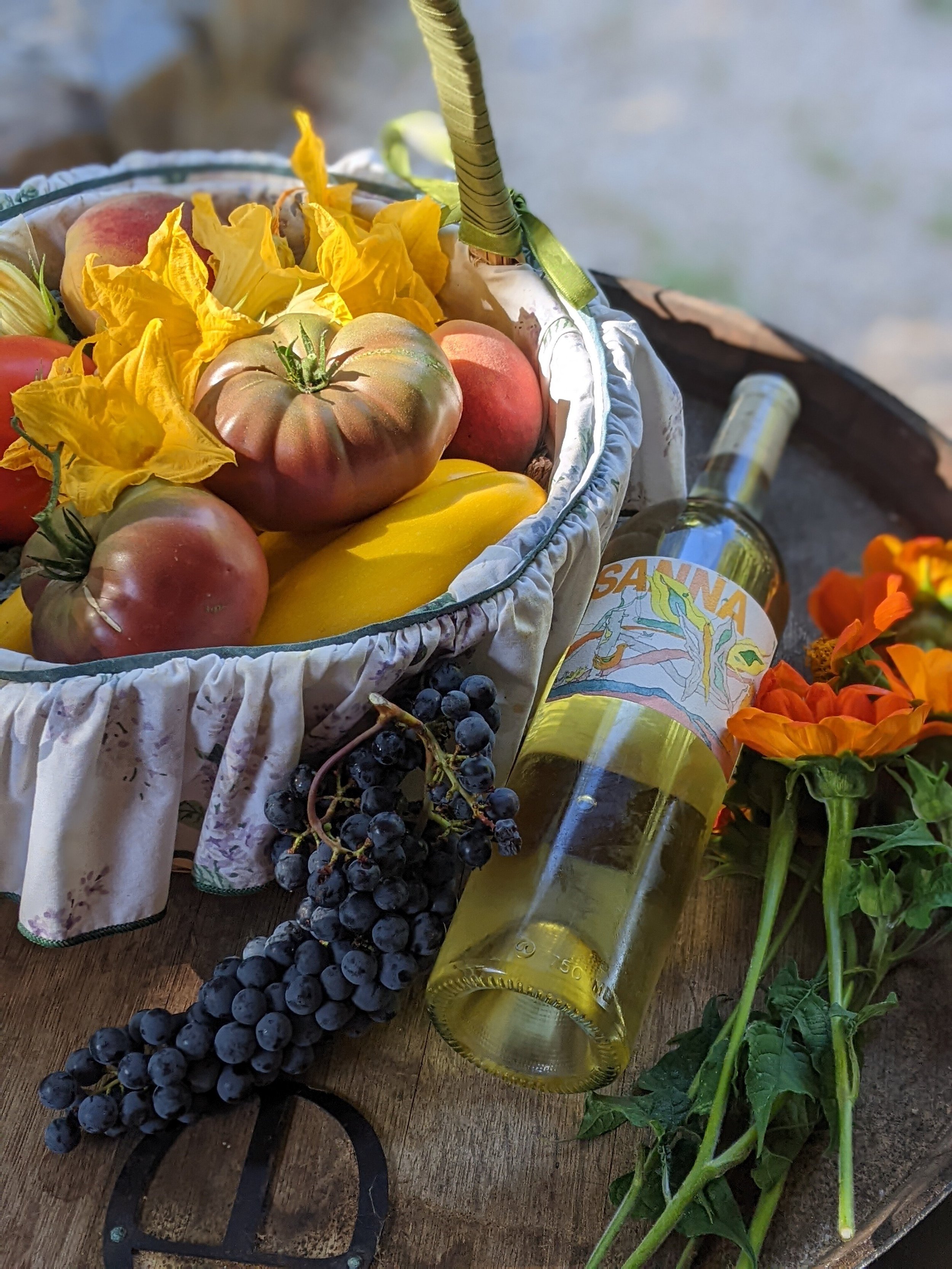
As with any good thing, more is not necessarily better; overindulge in wine, and (obviously) the alcohol in it will trigger inflammation; the phytonutrients in wine are dose dependent. (I could say the same thing about the sugar in someone’s fresh-pressed carrot juice if they drank too much juice.)
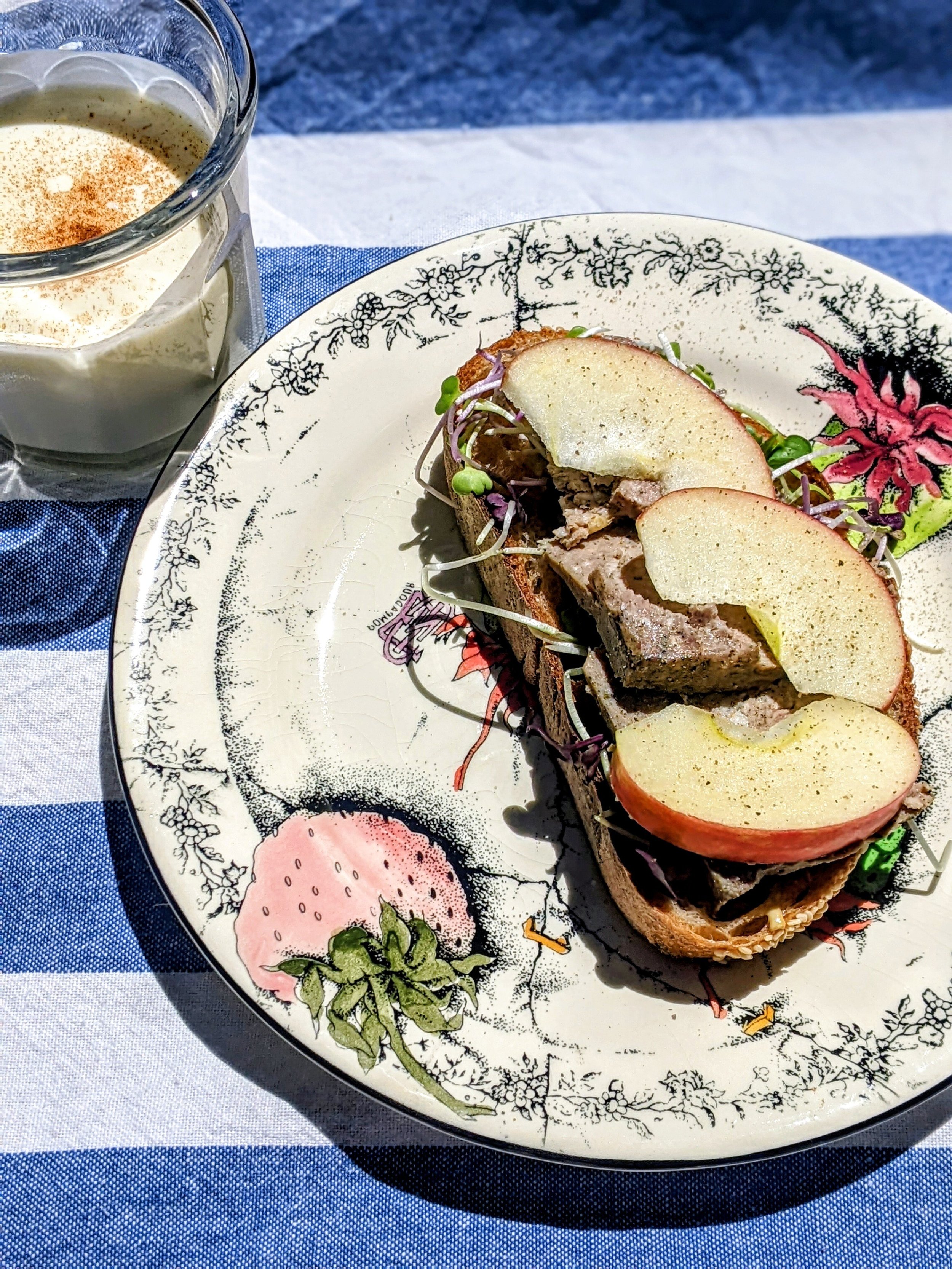
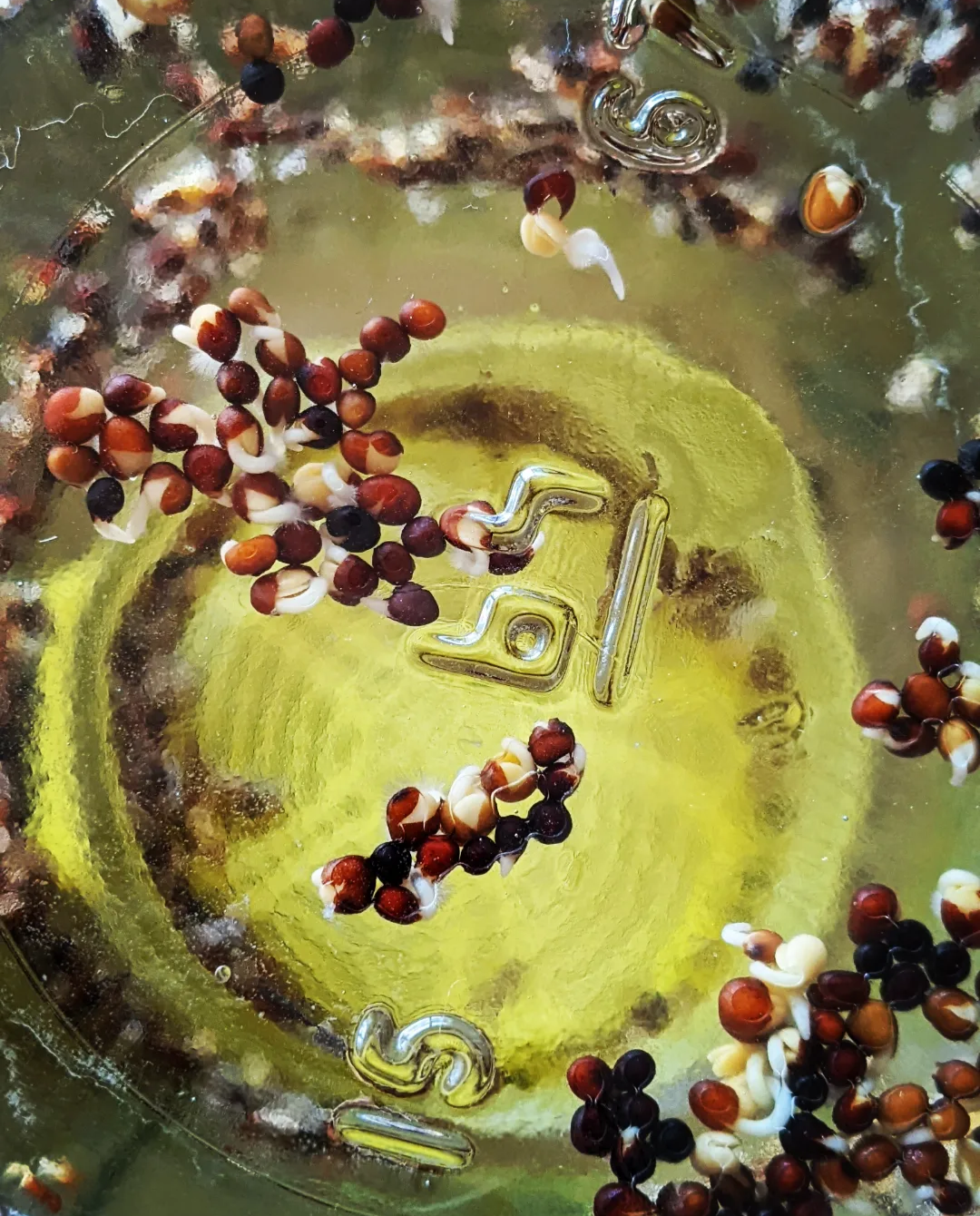
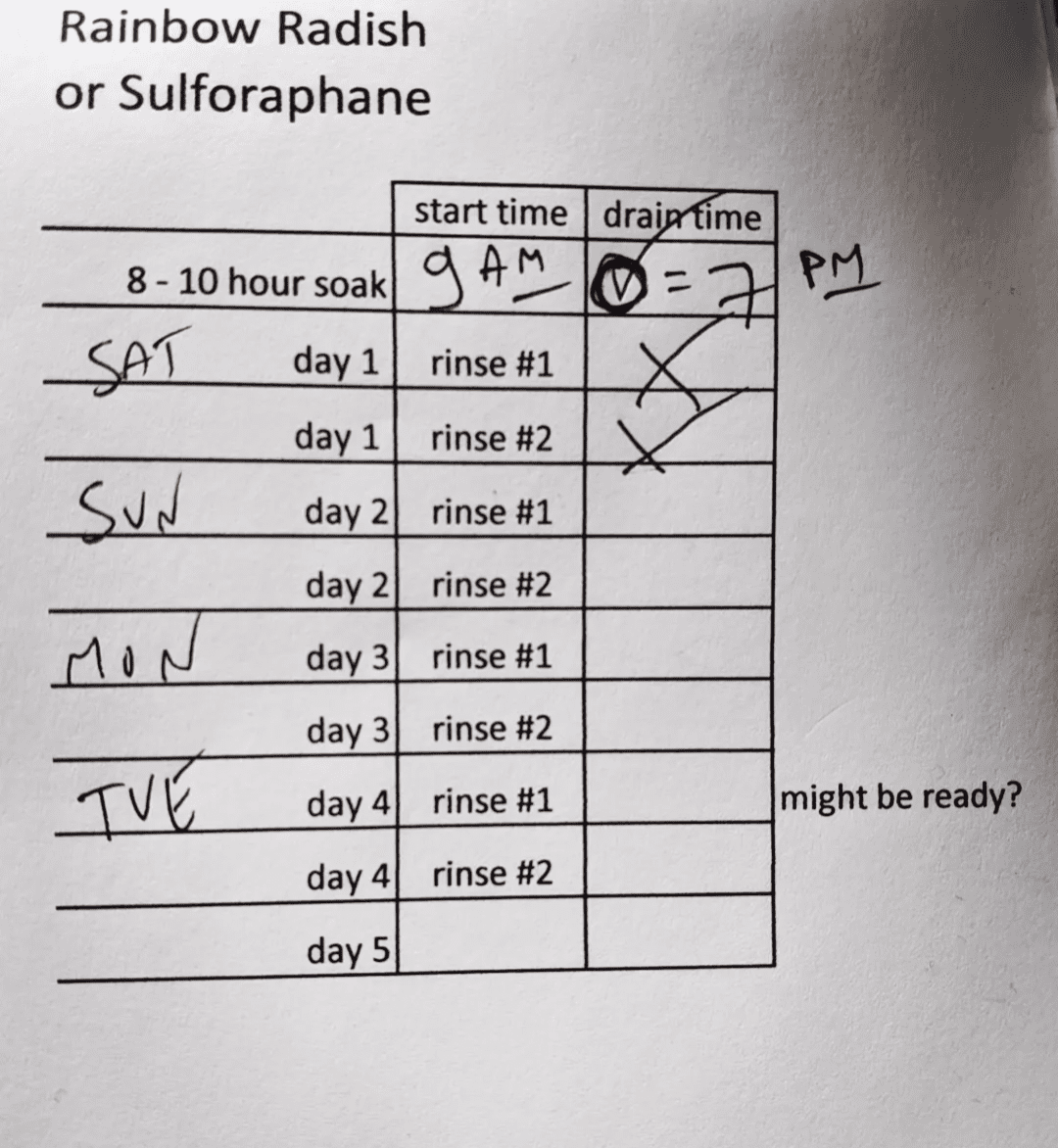
A good Winemaker’s Breakfast provides sustenance on long harvest days: sprouted rye bread spread with butter and mustard and topped with fresh radish sprouts, liver pâté, and apple slices, served with a glass of whole, plain kefir sprinkled with cinnamon.
Problems with the anti-inflammatory diet as generically portrayed are multiple. Lectins (proteins that bind to sugars) in beans, legumes, and whole grains can actually increase inflammation and cause digestive distress, so what to make of anti-inflammatory cookbooks that base all the recipes on these foods?
These are also the crops that are most frequently sprayed with the desiccant glyphosate, as well, which wreaks havoc with the mitochondria. (More later.) If someone told me to eat a lot of legumes but didn’t specify that they should be organic, I’d figure they were trying to kill me and collect insurance.
I recommend Weston A. Price’s book Nutrition and Physical Degeneration, the results of his decade-long study comparing the health of isolated, indigenous people around the world, who ate traditional, whole-food diets, with those who had recently adopted modern, processed diets.
The cookbook Nourishing Traditions is a tour de force filled with cooking techniques based on these nutritional principles, such as soaking beans and grains overnight to rid them of antinutrients. (It’s actually that simple, and the fact that most anti-inflammatory cookbooks out there neglect to include this information is baffling!)
Fresh, colorful raw vegetables and salads are enzyme-packed and great in moderation, but the nutrients in many vegetables only become bioavailable when cooked, preferably eaten with animal fat and gelatin-rich stock. Kale is a great example of a food that is popularly considered “healthy” but which is better for you braised in butter than processed raw in a smoothie.
Most bafflingly of all, to me, many anti-inflammatory cookbooks emphasize “eating the rainbow” and prioritizing plant foods but fail to mention the importance of eating organic produce.
A growing body of research shows that residue from glyphosate, used for weed control and as a desiccant in crops, disrupts mitochondrial function and causes inflammation in the body. (Unfortunately, even organic produce can be contaminated by glyphosate from groundwater and neighboring crops.)
But the irony here is massive; someone might take great care to prepare a whole-food diet only to experience increased inflammation from these chemicals.
Stephanie Seneff, PhD, a Senior Research Scientist at MIT, is a source of inspiration to those of us who have made the choice to farm grapes for wine without agrochemicals like glyphosate to kill weeds in the vineyard.
Her research demonstrates the mechanisms by which glyphosate could disrupt a healthy gut microbiome, depriving the body of deuterium-depleted nutrients necessary for healthy mitochondrial function.
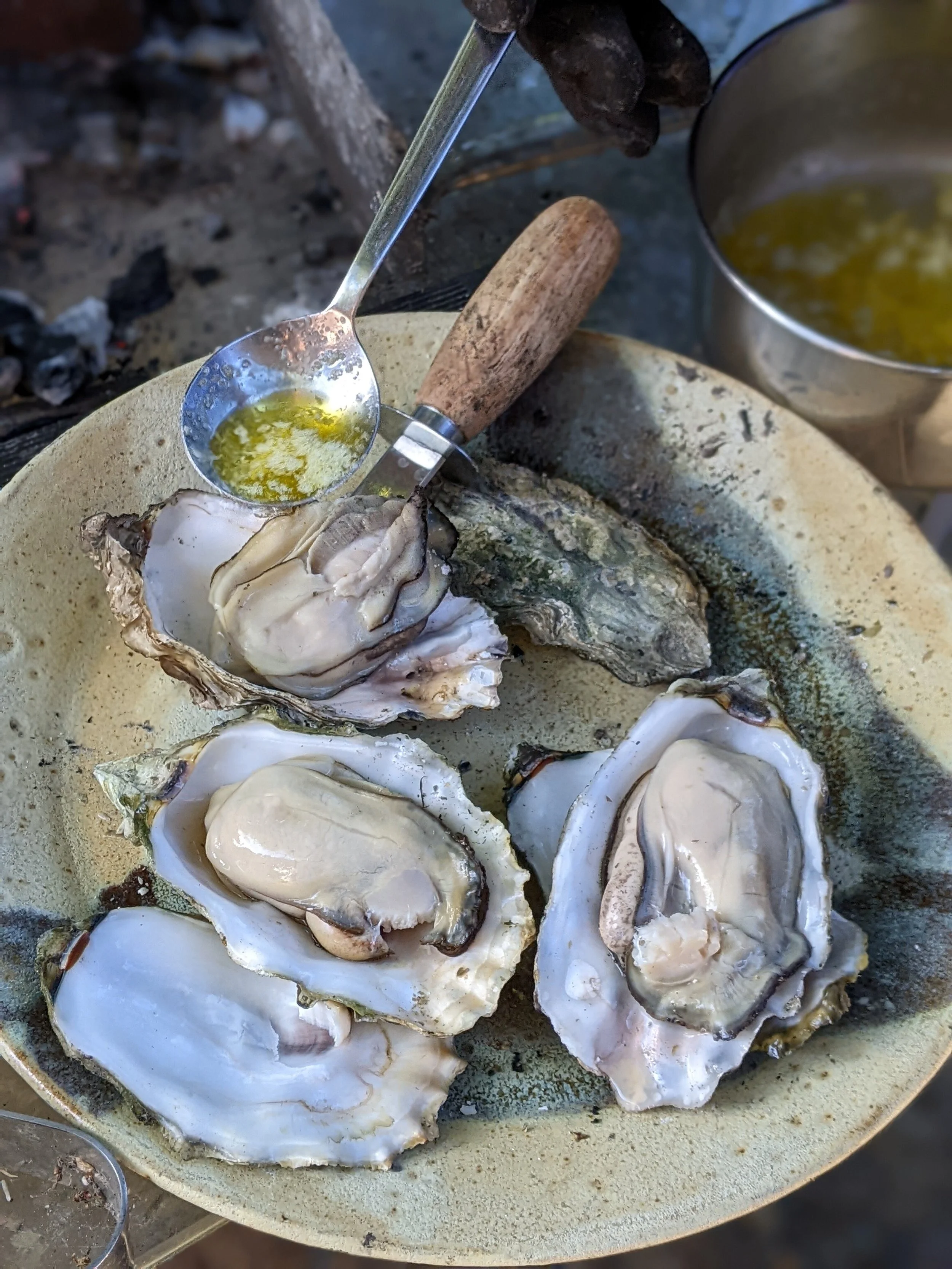
Dr. Seneff emphasizes the role of dietary sulfur from foods like onions, garlic, eggs, liver, and oysters in fighting inflammation. To read more of Dr. Seneff’s fascinating research, see her website https://stephanieseneff.net or her Substack: https://stephanieseneff.substack.com/.
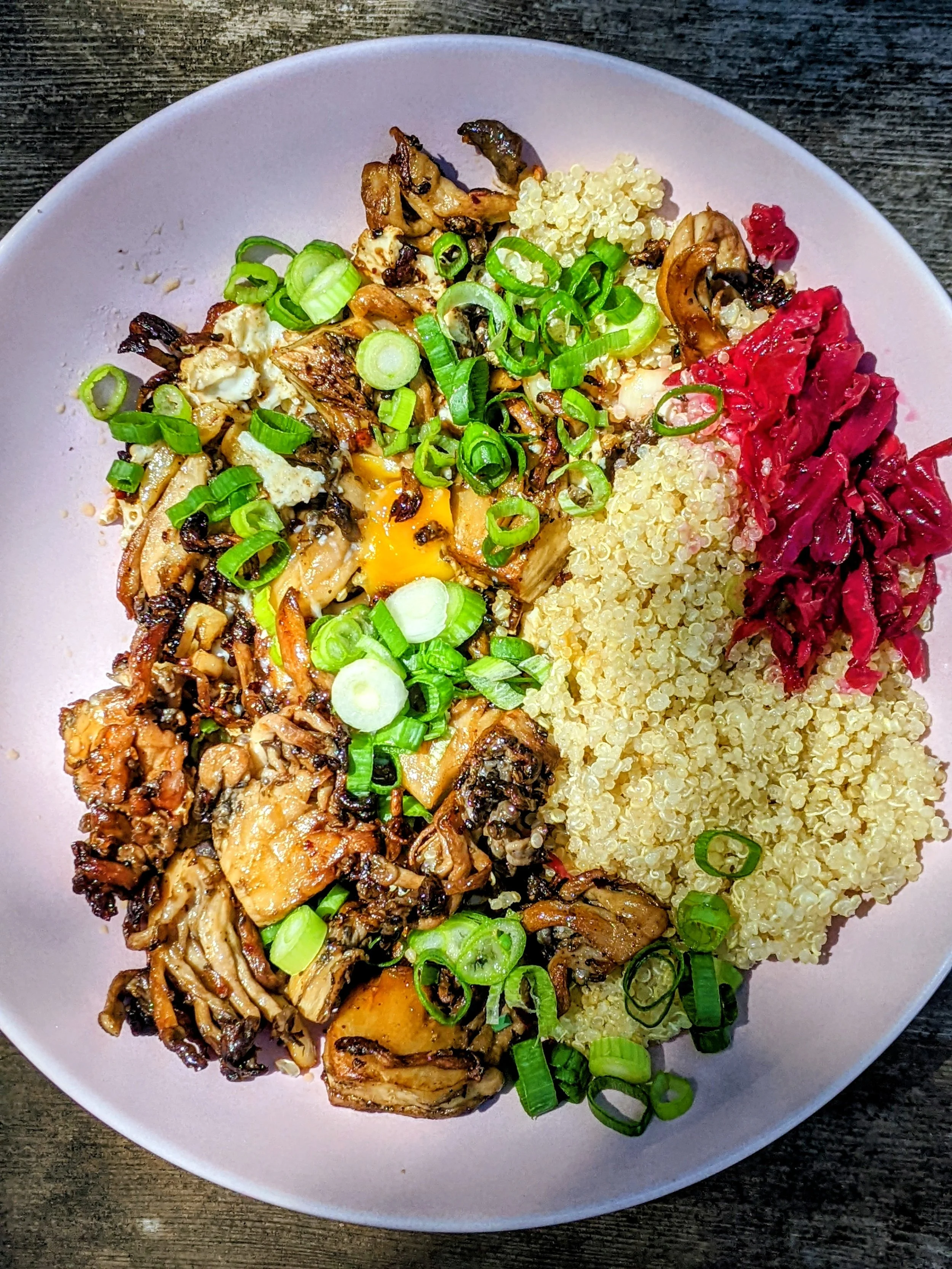
Winemaker’s Breakfast: quinoa with crispy, garlicky maitake mushrooms in soy sauce butter with eggs over easy, chili crunch, fermented beets
Finally, one can eat a “clean” diet yet still struggle with metabolic issues like low thyroid function due to environmental toxins like mold or the emotional and mental stressors of modern life in general.
Over the years, our family has made ameliorating choices, such as avoiding toxic cleaning supplies and personal care items, avoiding pharmaceuticals, limiting exposure to EMFs (I think we are the only home in our neighborhood that doesn’t have a smart meter), using grounding sheets, spending time in the sunshine, choosing clothing made from natural fibers, and more—all of which cost much in terms of either time, effort, or resources.
Consult with one’s trusted physician (if you’re lucky enough to have one) before making dietary decisions.
This essay and the recipes that follow are not intended as medical advice, but rather a snapshot of how we try to live our lives, as a winemaking family, in harmony with nature.
I will open up my recipe file and add recipes to update this blog post from time to time; it is a work in progress.

Anti-inflammatory Snacks
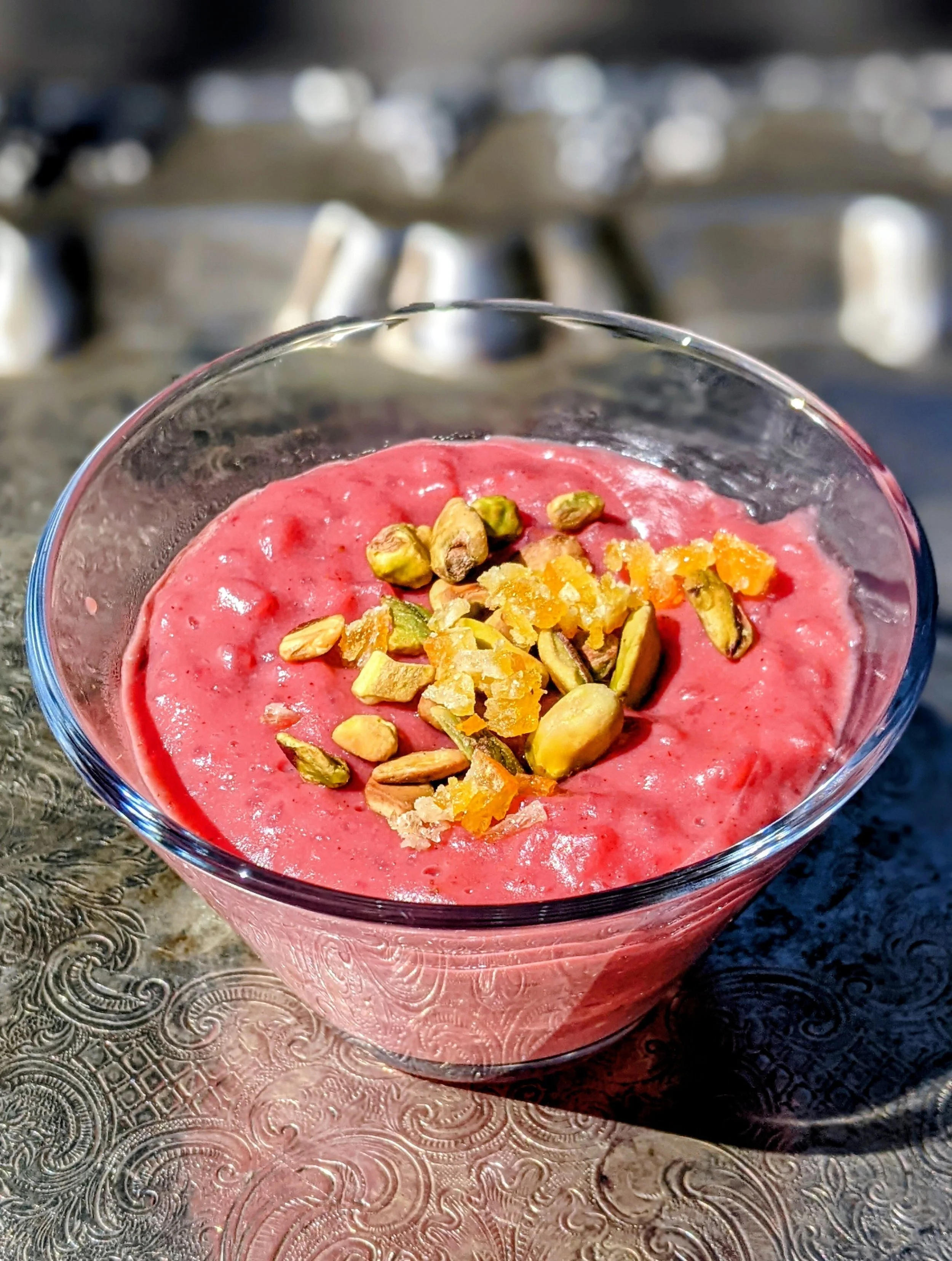
Peanut Butter Banana Chia Pudding
I learned to make chia seed pudding from our daughter Sanna, who worked at Nektar juice bar in high school and her first two years of college.
2 ½ T. chia seeds
2/3 cup almond milk or whole, raw milk
4 T. natural peanut butter
1 T. honey or maple syrup
½ tsp. vanilla extract
1/8 tsp. sea salt
1/8 tsp cinnamon
1 banana
Whisk all ingredients (except banana) together in a small bowl until smooth and refrigerate over night. Chilled pudding will thicken. Slice the banana. Spoon layers of banana and pudding as desired in a parfait glass. Makes two.
Kefir Smoothie
Using organic, grass-fed, whole milk kefir as the base of a smoothie ensures a healthy, whole food source of protein. Extracted protein powders are heavily processed, denatured foods. Whey protein and plant protein isolates can cause nutrient imbalances and can have high levels of toxic, heavy metals.
Recently, I had been putting an organic, grass-fed, hydrolyzed collagen powder in my morning coffee because it was recommended by someone I trust. Why did I think I needed this?
Collagen can have high levels of glyphosate if it is from an animal that has eaten conventional feed. In any case, I’m reminded that supplements are never the most cost-effective way of deriving nutrition and often come with unintended consequences.
Smoothies like this are a treat, like a dessert, because the fruit is pretty high in fructose.
2 small servings - Blend ingredients until smooth.
1 ½ cups frozen berries
1 cup plain (unsweetened) organic/grass-fed, whole milk kefir
½ banana
2 tsp. almond or peanutbutter
½ tsp. vanilla extract
I hate hummus. And tahini. There, I finally admitted it. I feel so free! I will now be ex-communicated from book clubs, but that’s OK. Hummus is bland, cold, slightly bitter in an uninteresting way (as opposed to bitter in an interesting way, like me), and has the texture of spackle. Tahini is more promising but sometimes has a slightly toxic, metallic zing to it, as if the sesame seeds had gone rancid.
Hummus moms were the type, back in the day, to virtue signal through their kids’ lunches, tidy kits with red pepper strips and pretzels that signified a wholesome and tidy home life. I felt bad for their kids, because I knew that hummus is packed with anti-nutrients if the chickpeas haven’t been soaked.
(Meanwhile, my poor kids would get something delicious but embarrassing in their lunches, the kind of thing that made the classroom grow increasingly aromatic as the morning went on, like a nice garlicky lamb chop to gnaw on.)
Hating hummus never stopped me from making hummus, or trying to perfect hummus recipes, especially as a base for something zesty. Recently, I even bought heirloom, midnight-black chickpeas to make Sicilian chickpea soup. But you know what? I’m done with chickpeas.
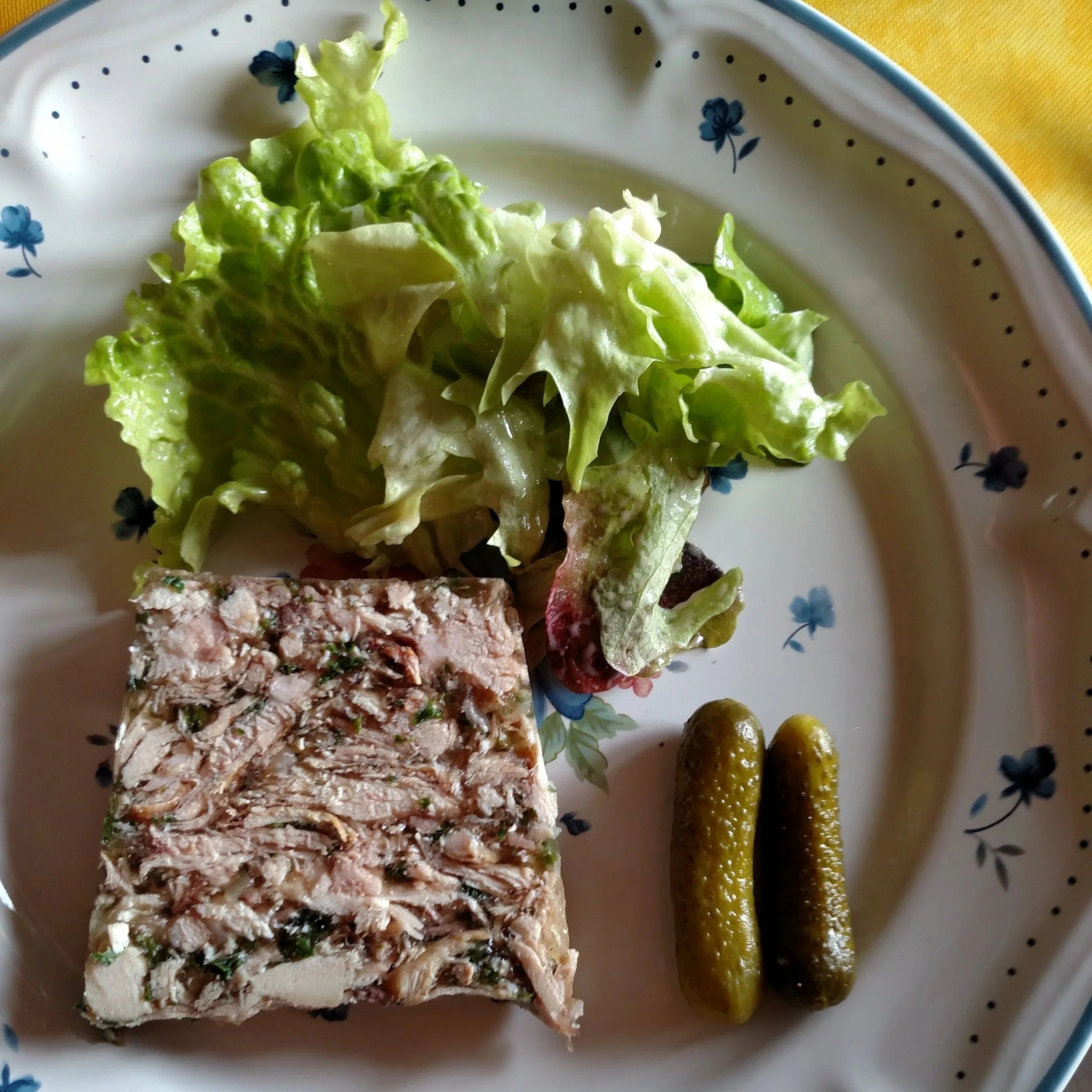
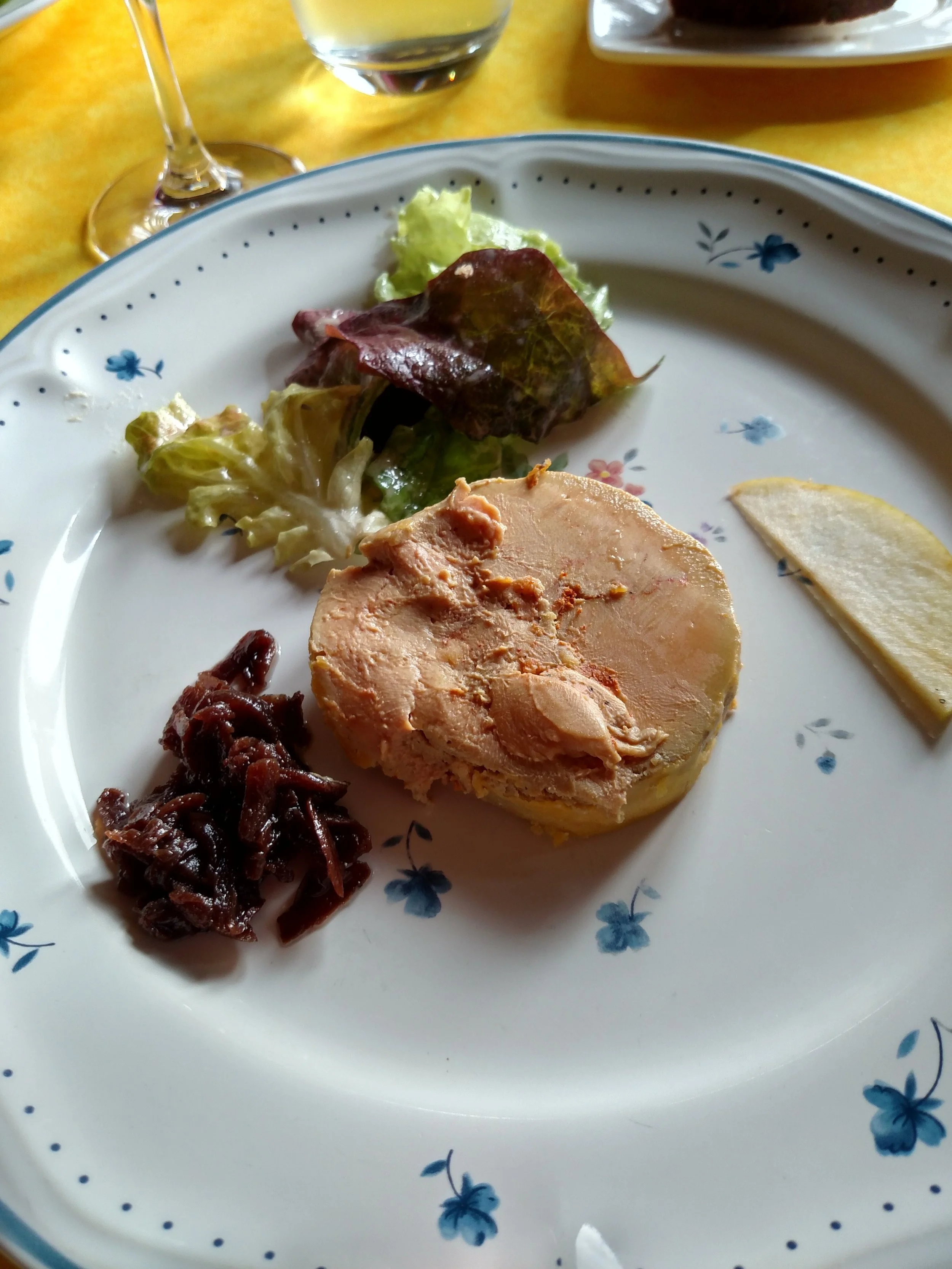
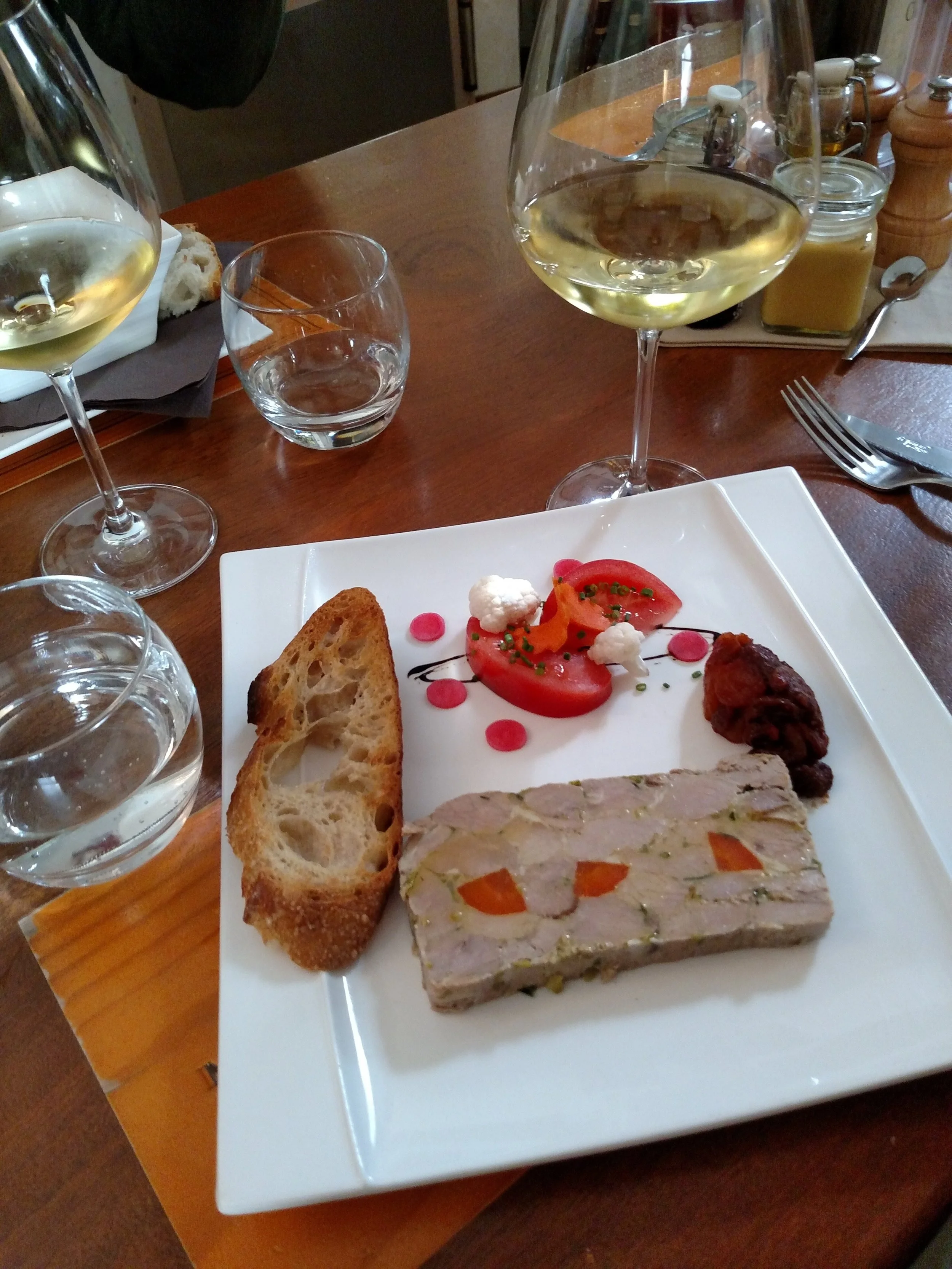
I wish there had been pâté moms, I would have gotten along with them. Liver is an ultimate anti-inflammatory superfood, full of sulfur-containing amino acids, vitamin A, B complex vitamins, usable iron, trace minerals, CoQ10, and choline.
Liver pâté is like the unsafe sex of the food world, though; you’re going to want a high-trust source. Look for liver from hormone and vaccine free animals organically raised in pasture.
“When harvested with dedication and care, the oceans give us the most exquisite taste and physiologically vital mineral mix. Today, every common table salt is artificial and pales beside the real sea salt.”
Anti-inflammatory Breakfast & Brunch
Kefir Scones
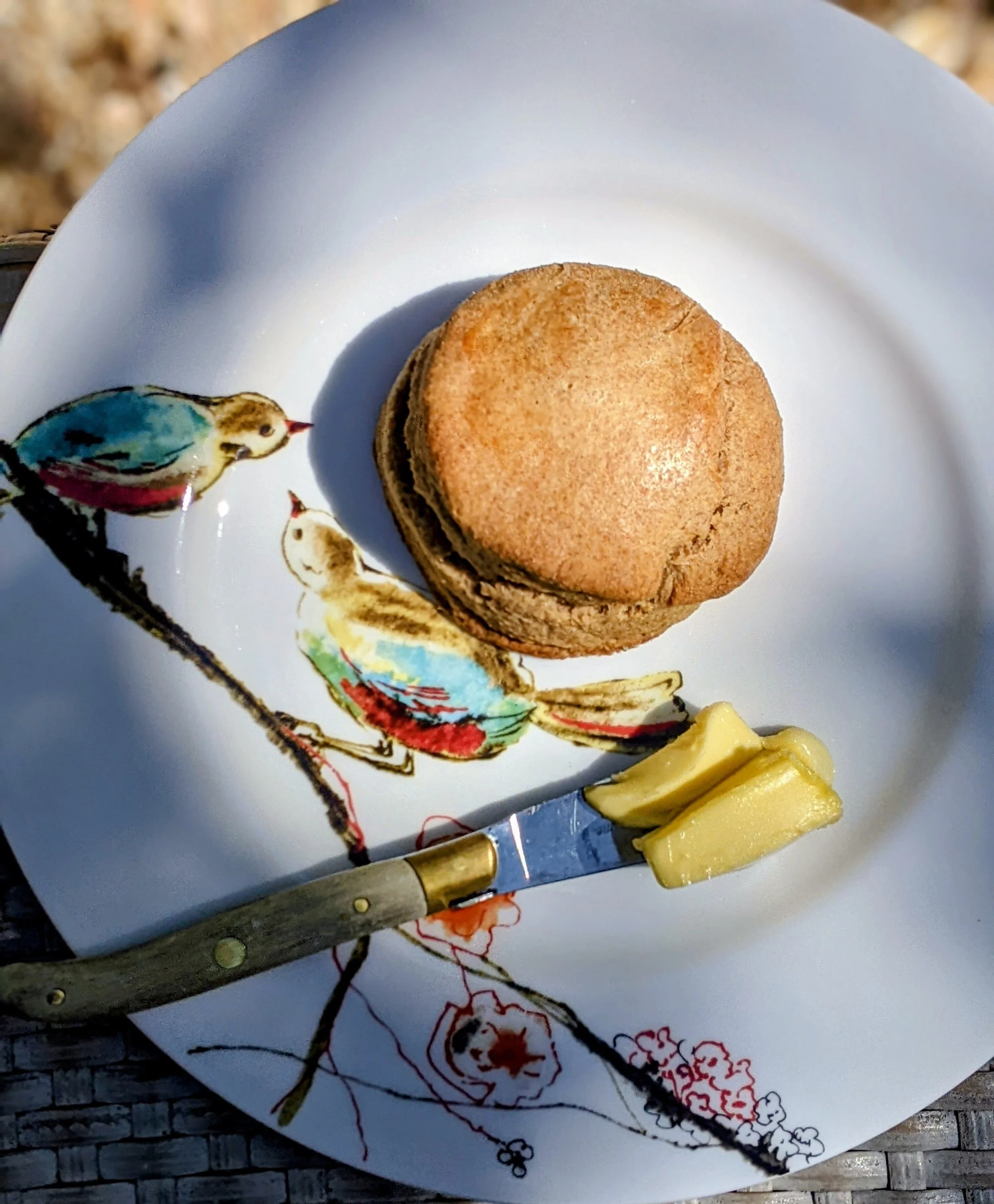
For many years, I’ve had a habit of waking when it’s dark out, brewing coffee, and toasting a little buttery puck of a scone from the Sconehenge Bakery in Berkeley.
How they suspend so much butter in a light and fluffy scone is a miracle; my little dog, a connoisseur of fine meats, once snatched up my unattended scone, mistaking it for meat, that’s how much butter.
In other words, it’s not one of those dreadful, dry, cow patty scones with sugar on top. It’s special. Nonetheless, I figure it’s time for a change: I’ll make my own.
I like the scone breakfast because I want a small bite of something warm when I wake. I don’t want a cold smoothie, fruit, or yogurt. Nor do I want to cook.
I want to sit quietly in the dark and read the day’s stories. Like a hobbit, I’m open to elevenses. That’s when I’m ready for eggs, or a grain bowl, or—more often—last night’s dinner leftovers. High-quality butter is a great source of fat-soluble vitamins and butyric acid.
3 cups organic, sprouted spelt flour
¼ cup maple syrup
2 ½ tsp. baking powder
½ tsp. baking soda
¾ cup good, grassfed butter
1 cup plain kefir
Preheat oven to 400 degrees F. Combine flour, baking powder and soda in a bowl. Add diced butter and use your fingers to work it into the flour. Mix syrup into kefir and combine with dry ingredients. Lightly flour the dough and press down until it’s about ¾ inch thick. Use a juice glass to press rounds, then bake for 15 minutes.
Clafoutis
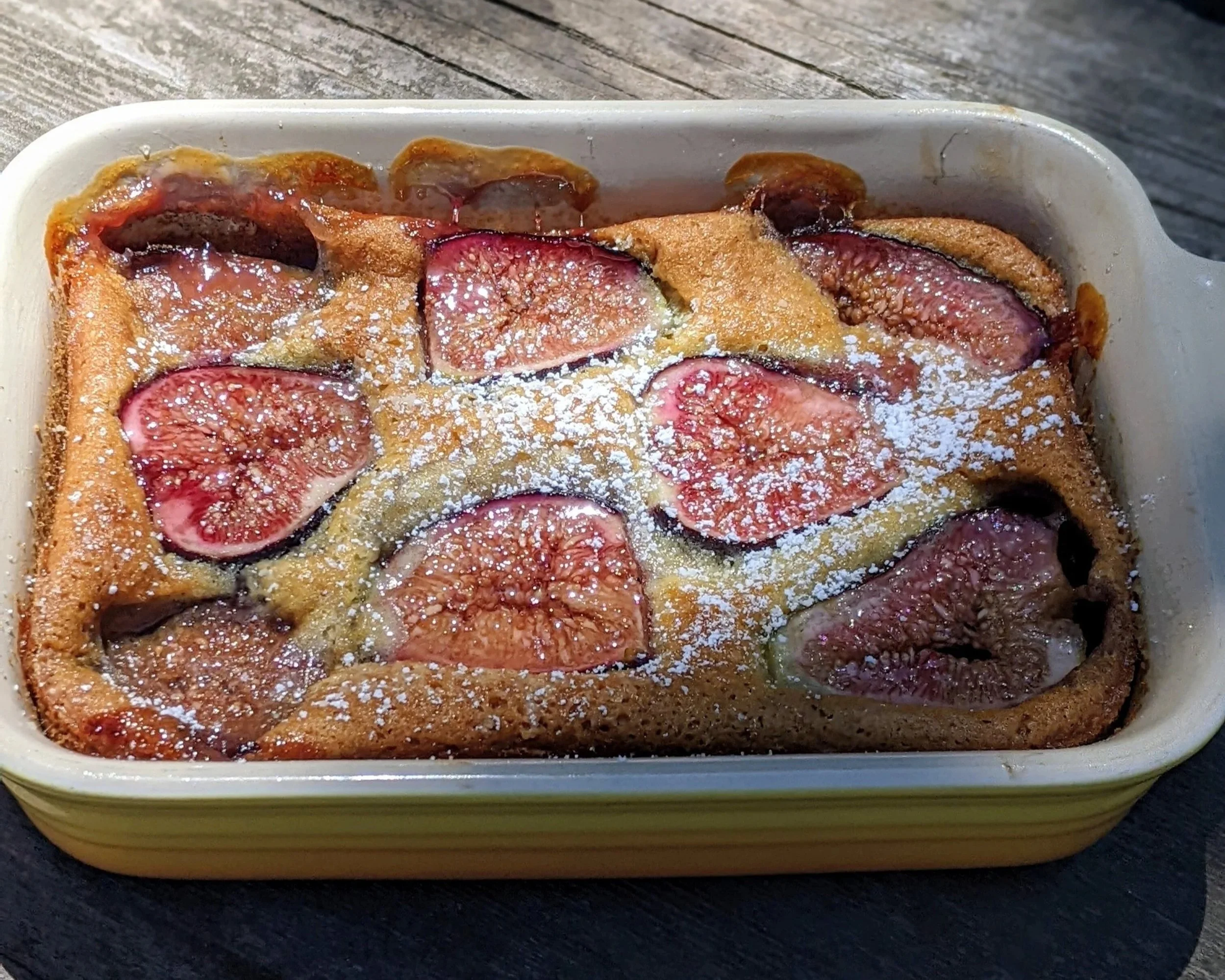
I don’t know why clafoutis is not more popular in bakeries and brunch establishments; perhaps because it’s best served warm. There’s very little flour or sweetener; eggs are the star of the show (though I’ve had success using flax seed "egg,” too), as well as fruit. Somewhere between a pancake and a custard, it’s just the thing to make if you have a handful of figs, a few cherries, a peach looking overripe, and it’s a summertime staple in my home.
Serves 2
1 cup half-and-half or cream
¼ cup honey
2 large eggs
2 tsp. vanilla
Pinch of salt, grated lemon zest (if desired)
¼ cup, plus 2 T. sprouted wheat flour
Butter for the pan and 4 or 5 figs (or equivalent fruit), halved
Use a blender to combine the half-and-half, honey, eggs, vanilla, salt, and zest. Add a little flour, pulse, then add the rest of the flour. Let batter rest while oven preheats to 425 degrees F. Butter a 9” baking dish or skillet and place it in the oven. When the oven has fully heated, pour batter into pan and set the fruit into the batter. Bake 15 minutes. Reduce temperature to 375 degrees F and bake for 20 minutes until golden and set in the middle. It will puff up, then deflate. Serve warm.
Eating Out: The Great American Food Desert
Once you see it, you can’t unsee it. The percentage of restaurants using organic produce is wafer-thin, like a restaurant profit margin these days. Wholesale organic produce easily costs 20-40% more than conventionally grown produce.
Sysco says that 90% of their cooking oil sales are cheap, industrial seed oils. If only 1-4% of the meat supply in the U.S. is organic or grass-fed, you can bet that few restaurants can afford to serve it. The restaurants that feature organic and local farms, purveyors, and ranches are likely Michelin-starred, fine dining restaurants.
Our family has been known to pack peanut butter sandwiches when we travel. It’s not glamorous, but it’s safer than eating at an airport food court.
Despite the fact that half of the population struggles to afford groceries and gas in 2026, 76% of Americans use a food delivery app, 28% once a week, according to YouGov. I don’t think wealthy people are the ones dashing food, either; it’s more likely someone working two, 30-hour/week jobs with no benefits, who is too tired to cook, let alone shop for ingredients. The health and wealth gap widens.
“Eating a low-fat diet causes heart attacks. A high insulin level produced by a low-fat, high-carbohydrate diet results in plaquing of the arteries, because insulin directs all the biochemical processes that lead to plaque formation in arteries. Eating fat and cholesterol can prevent heart attacks by lowering the insulin levels and switching off the internal production of cholesterol.”
Anti-inflammatory Starters
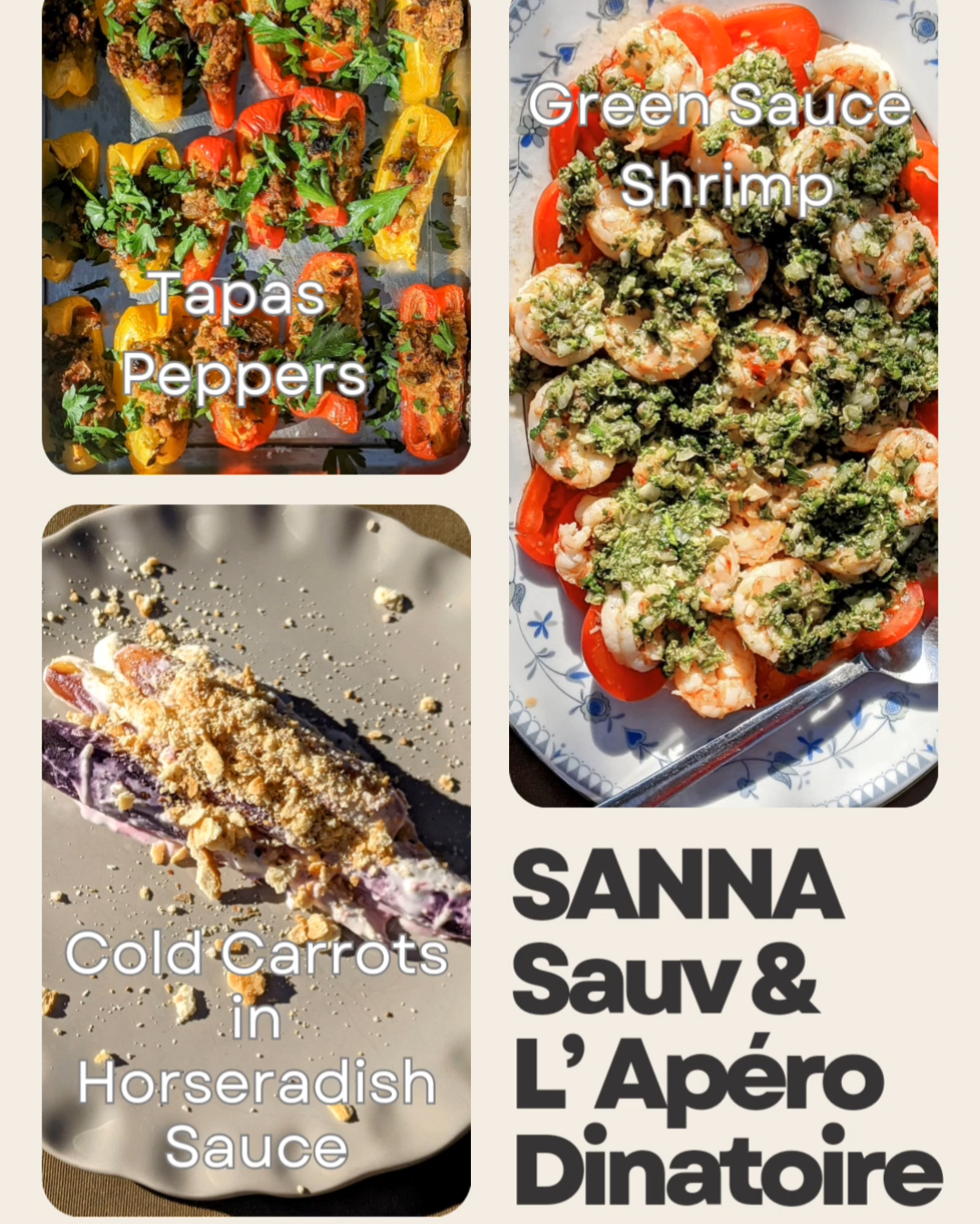
My favorite way to entertain is to pass multiple small, shared plates of vegetables and salads, along with a platter of meat or fish.
Here in the Napa Valley, BEAR Restaurant at Stanly Ranch, Auberge Collection serves an idealized selection of farm-to-table dishes along these lines: farm vegetables (raw and preserved, cashew-miso dip), stone fruit & burrata, marinated raw kampachi, bison tartare, Persian cucumbers, charred maitake, summer squash in salsa macha, sweet potato in miso brown butter.
This is Napa eating, luxury style. The home cook can replicate this style of anti-inflammatory, farm-fresh eating on a simpler scale for a reasonable amount of money by serving plates of simply-prepared fresh vegetables and meat.
Shrimp in Green Sauce
Here’s an old Italian recipe that makes a beautiful summer starter. Serves 4.
Boil 1 lb. of shelled shrimp in boiling, salted water for about 2 minutes, until they turn pink. Drain. Toss the shrimp with green sauce and mound them over a platter of sliced, fresh garden tomatoes.
Green Sauce:
Large handful of parsley
¼ cup minced onion
2 T. capers, diced
2 anchovy filets, diced (or 1 tsp. anchovy paste)
½ cup extra virgin olive oil
2 T. lemon juice, plus zest of the lemon
Salt and pepper
Chop all of the ingredients (except oil) together on a cutting board and put in a bowl. Whisk in olive oil.
“All grains contain phytic acid (an organic acid in which phosphorus is bound) in the outer layer or bran. Untreated phytic acid can combine with calcium, magnesium, copper, iron, and especially zinc in the intestinal tract and block their absorption. This is why a diet high in unfermented whole grains may lead to serious mineral deficiencies and bone loss...Soaking allows enzymes, lactobacilli, and other helpful organisms to break bown and neutralize phytic acid.”
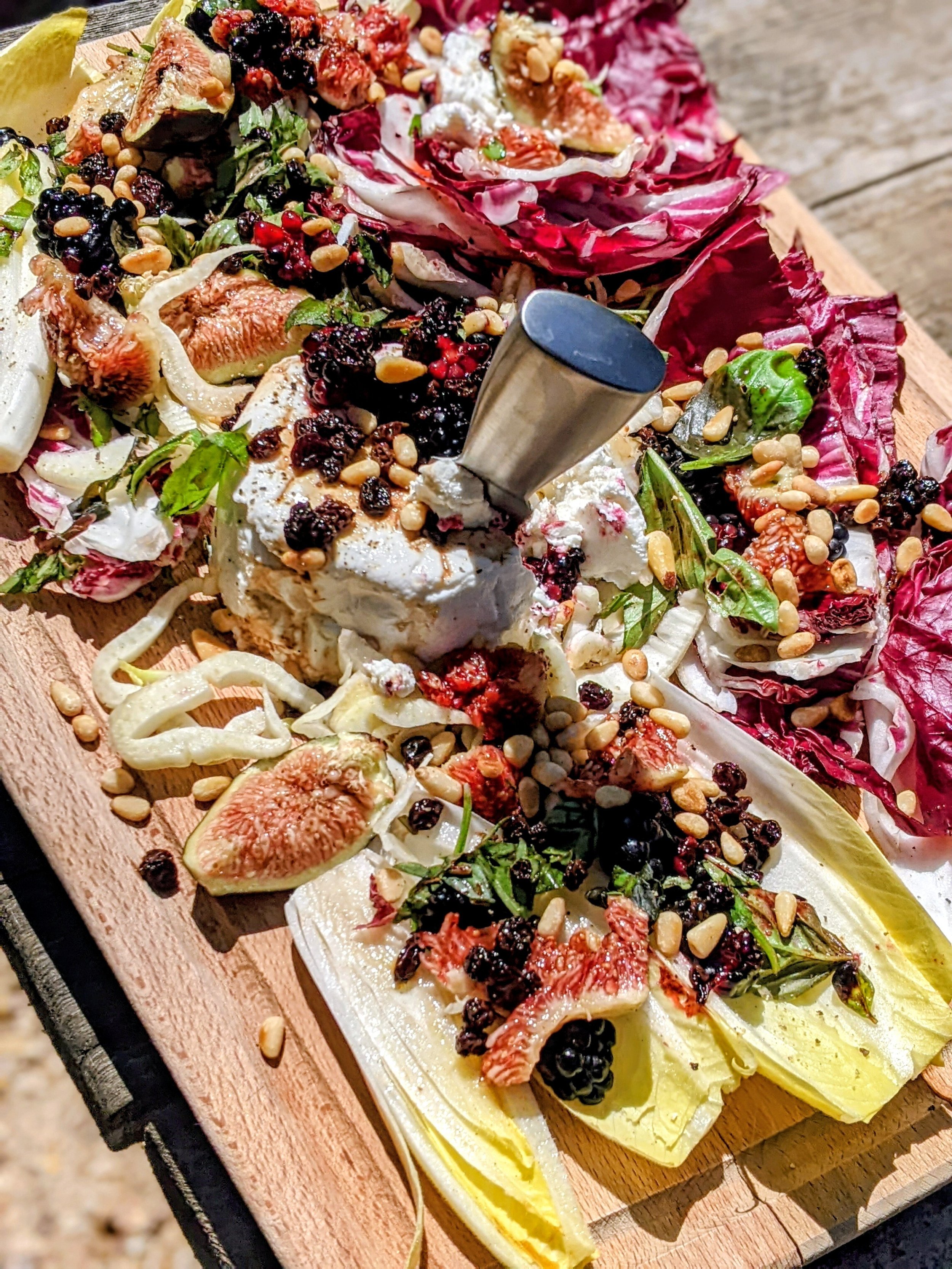
Fromage Blanc with radicchio, sliced fennel, and endive, smashed blackberries and black figs, balsamic vinegar, currants, basil, and pine nuts.
Snappy Scoopers
While there’s seemingly no end to healthy spreads, dips, and cheeses, the question of what to scoop them up with sometimes baffles me. Here, I’m taking inspiration from the delightful book Happy Hour Snacks to use crunchy endive and radicchio leaves as the base for soft, creamy fromage blanc. The play between good bitter lettuces and sweet fruit, creamy cheese and crunchy pine nuts, makes this starter far more interesting than cheese and crackers.
Miso & Chili Crunch Eggs
Fish Sauce Tomatoes
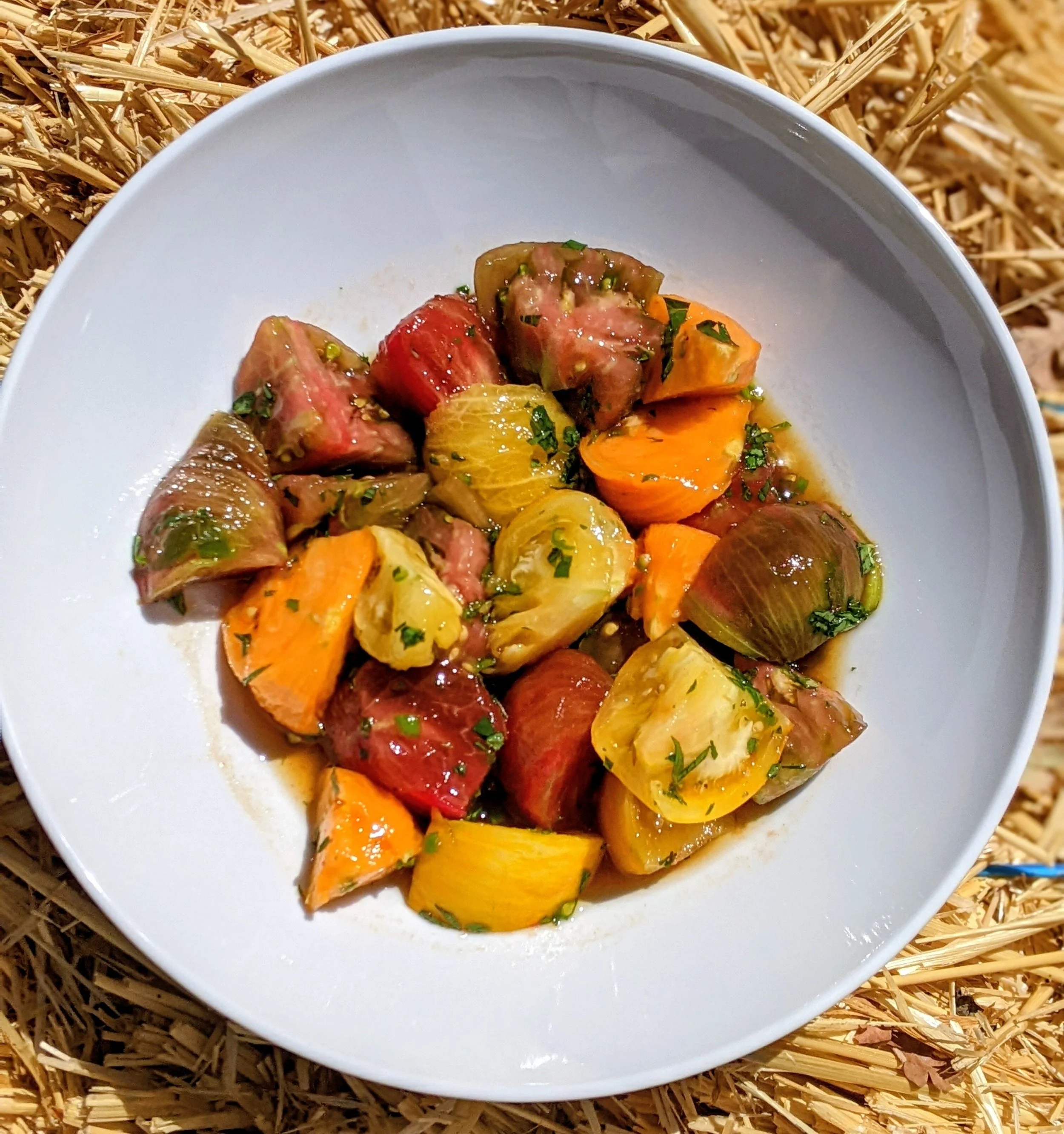
1 lb. ripe tomatoes, peeled and cut into wedges
1 ½ T. fish sauce
1 ½ T. water
1 Thai chili, chopped
½ tsp. palm sugar
Thai basil and mint, chopped
Combine sauce ingredients, stirring to dissolve sugar. Pour over tomato wedges and serve. Could you add sliced cucumbers? Hard-boiled egg wedges? Yes.
What’s the deal with tomatoes and histamines? Eating nightshade fruits and vegetables such as tomatoes, potatoes, peppers, and eggplants can cause histamine flareups in some sensitive people who would do well to avoid them.
One of my goals as a home cook is to eat a broad variety of foods, as opposed to eating in a rut, in order to avoid food sensitivities and errors. (Imagine if you made chickpea pasta the cornerstone of your diet, only to find out that it had higher levels of toxic glyphosate than most other foods?!)
My husband says I never cook the same thing twice. This is easier said than done when the garden is overflowing with squash or tomatoes, so we’re going to gorge ourselves on squash and tomatoes.
Back in the ‘90’s, as a newlywed, I read a book about the blood type diet, which recommended different foods for optimal nutrition based on blood type. According to the book, my husband (type A) and I (type B) were not compatible, dietarily speaking.
I decided then to range widely and seek variety, because you can’t hit a moving target. My point here is simply that we all have different foods that agree or disagree with us. Sometimes my husband and daughters feel better drinking almond milk, while I crave whole, raw dairy.
My husband could, anecdotally, live on salad greens and seafood, while I might wither away without the occasional steak and lots of cheese.
Many people these days subsist on one or two favorite sources of protein, like chicken breasts and tilapia, but my vote is to seek out tastes you’ve never had before, like quail and bison.
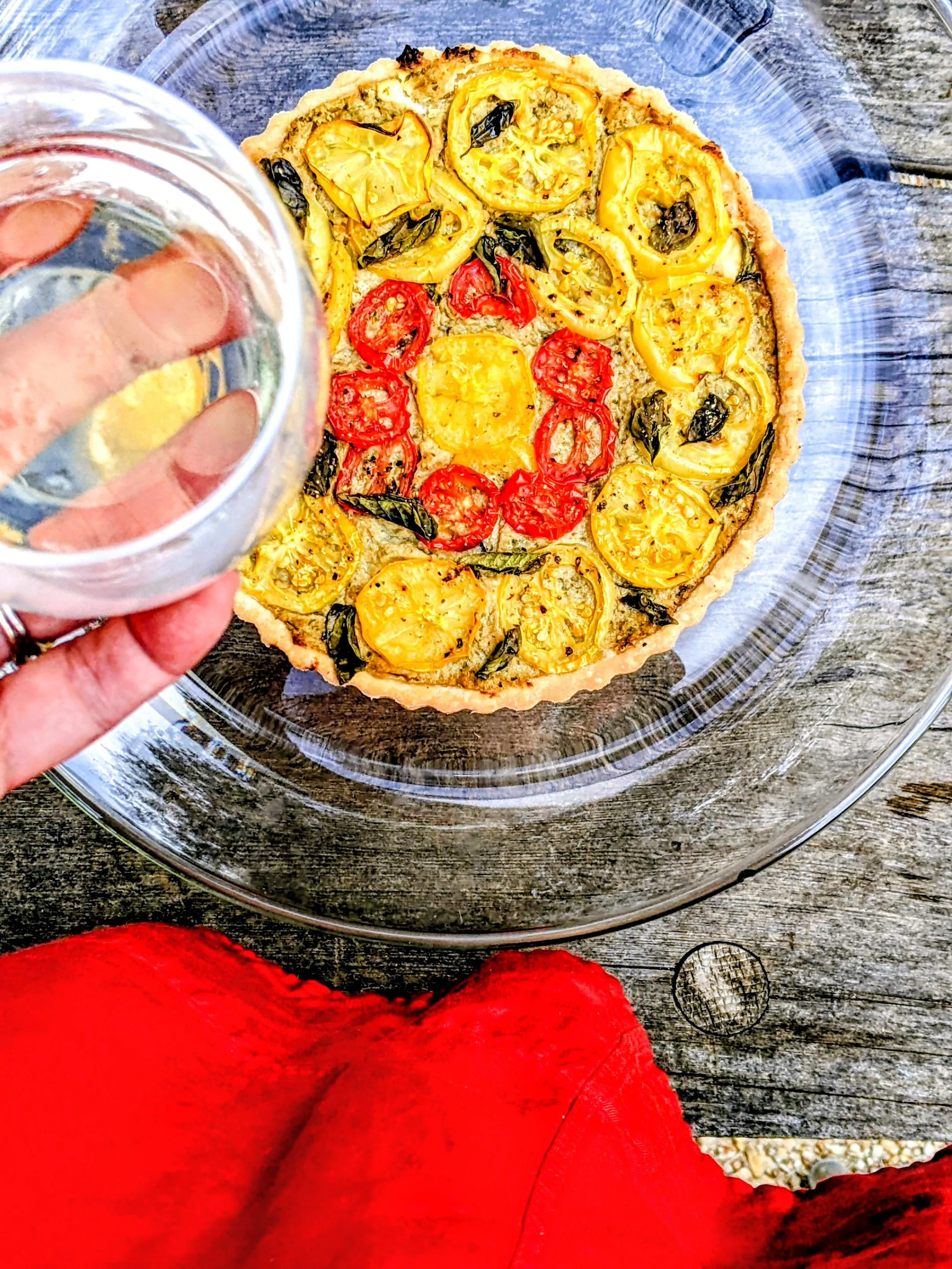
Soup is NOT Dinner
Except when it is. I am a huge fan of bringing back the simple puréed garden vegetable soup à la Elizabeth David as a first course before the main meal. It’s a great way of working stock or bone broth and vegetables into the diet.
No recipe is needed, because you can toss whatever scrap of vegetable you have into a pot with broth and fresh herbs, simmer, and use an immersion blender to easily create variations.
Starting a meal with soup also slows everything down, from the pace of the meal, to the conversation and digestion, and while this may not be possible for a family wolfing down dinner before sports practice, it is very nice when your adult children come home to visit.
You can also serve soup with a tiny glass of white wine, and then pair the main course with a small glass of red. This is a way of enjoying life’s small luxuries, especially if you use wine as a thoughtful enhancement to the flavors in your meal, which arguably is a way of expanding sensory intelligence.
Soup has never been my favorite main course because it’s often not filling, unless you sop it up with half a baguette. On the other hand, some soups are defiantly hearty: beef barley, chicken tortilla, borscht, pho, tom kha gai.
For many years, I have made a hearty sausage and white bean soup from Pam Anderson’s Perfect Recipes for Having People Over on the night before Thanksgiving and invited friends, neighbors, and their visiting families to join us.
It’s more fun than Thanksgiving day. As in the children’s story “Stone Soup,” everyone ends up contributing some unexpected gift to the meal, a loaf of bread, a bowl of fruit, a plate of cheese.
No one knows what to do on the night before a feast, and so everyone is incredibly grateful and gracious. Here is my version of the recipe (which I usually double or triple for company).
Sausage and White Bean Soup
Serves 8
1 lb. white beans, such as great northern or cannellini, soaked in filtered water overnight, drained, and cooked until tender in water or stock
1 ½ lb. of good quality organic sausage, either chicken or pork
4 oz. minced prosciutto (Made in the traditional way, prosciutto in moderation is a healthy food that adds depth of flavor to the soup.)
2 diced onions
2 peeled and diced carrots
2 diced celery stalks
1 tsp. dried thyme
1 quart chicken stock or bone broth
In a soup pot, brown sausage chunks and remove to a plate. Add vegetables and thyme and brown. Add broth and return sauage to pot. Smash some of the white beans with a fork into a chunky paste. Add all of the beans to the pot. Simmer for about 20 minutes.
Satisfying Sides
These are beds of tasty veg or mash that you could easily top with a piece of miso-marinated cod, cilantro halibut, slow-cooked short rib, grilled portobello mushroom, etc. for a beautiful meal.
You may note: adding a moderate amount of butter, cream, or bone broth is key to satiety and satisfaction, and this is where I beg to differ with Johns Hopkins Medicine and Harvard Medical School.
Dr. Cate Shanahan, MD, an expert in weight loss and metabolic health, pinpoints highly-processed polyunsaturated fatty acids that are prone to oxidation as the fats that cause inflammation.
These include corn, canola, cottonseed, soybean, sunflower, safflower, grapeseed, and rice bran oils—basically all the fats that the U.S. government promoted as healthy for many years as part of the farm subsidy program.
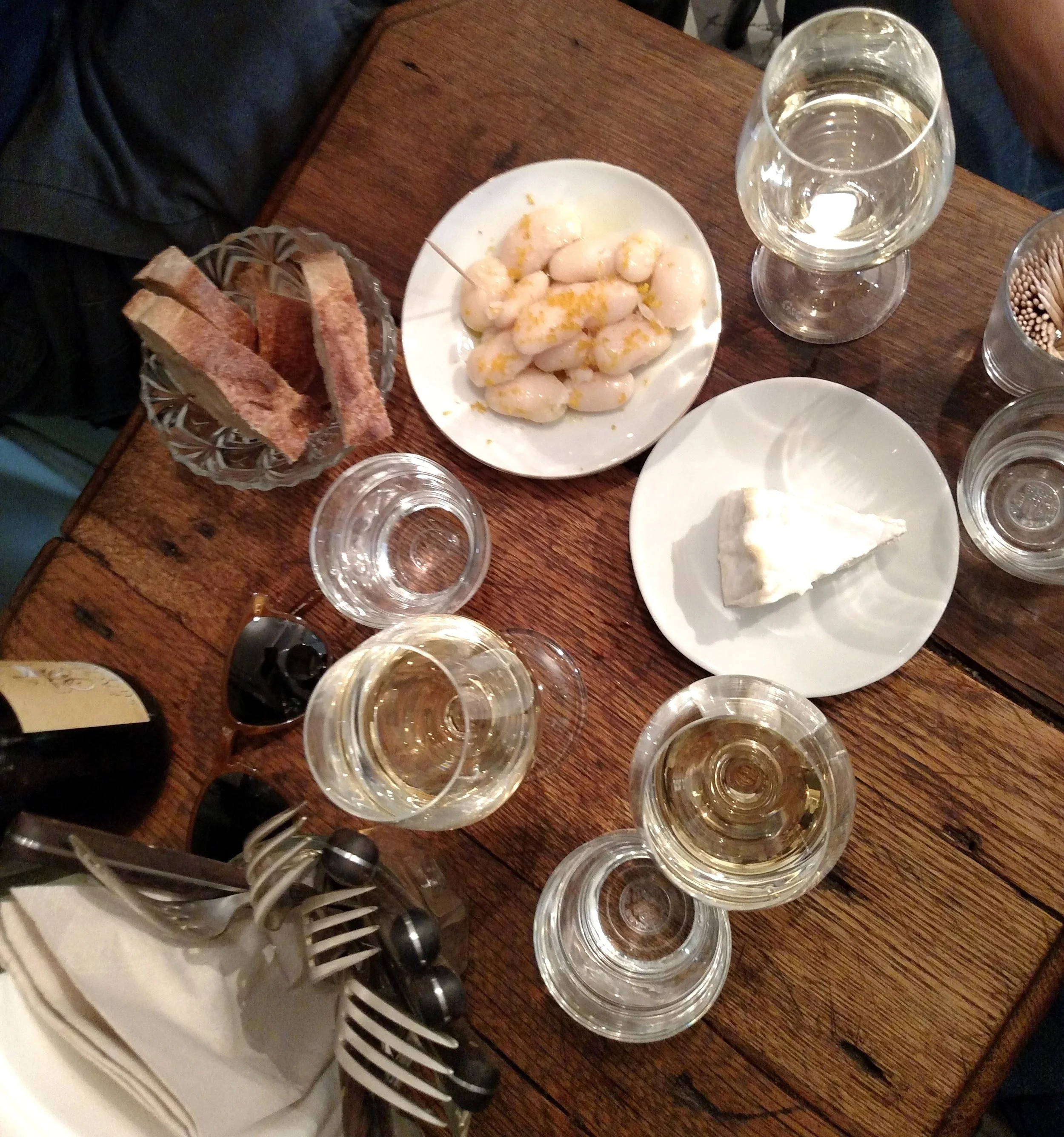
I also like to cook cuts of meat that include skin and fat, as opposed to lean, skinless chicken breasts. If you want to know why, do a search for “rabbit starvation.” Native Americans and French fur trappers knew that the lean parts of an animal are the ones you throw away (or else mix with fat) if you want to avoid protein toxicity.
White Bean Purée
Serves 4
2 cups dry white beans (organic)
Chicken stock
1 carrot, 1 onion stuck with a clove
Bouquet garni (parsley sprigs, bay leaf, celery stick with leaves, sprig of fresh thyme tied with kitchen string)
Lemon juice
Olive Oil
Salt and pepper
Soak with beans in filtered water to cover overnight and drain the next day. In the instant pot, cover the beans with chicken stock and add carrot, onion and bouquet garni (optional). Cook on high pressure for 20-22 minutes, depending on size of bean, and allow natural pressure release.
Alternatively, you could simmer the beans in stock for about 50 minutes, until tender. Put beans in a food processor with a squeeze of lemon juice, drizzle of olive oil, salt and pepper, and about 2 T. of water or stock. Return beans to a saucepan to reheat.
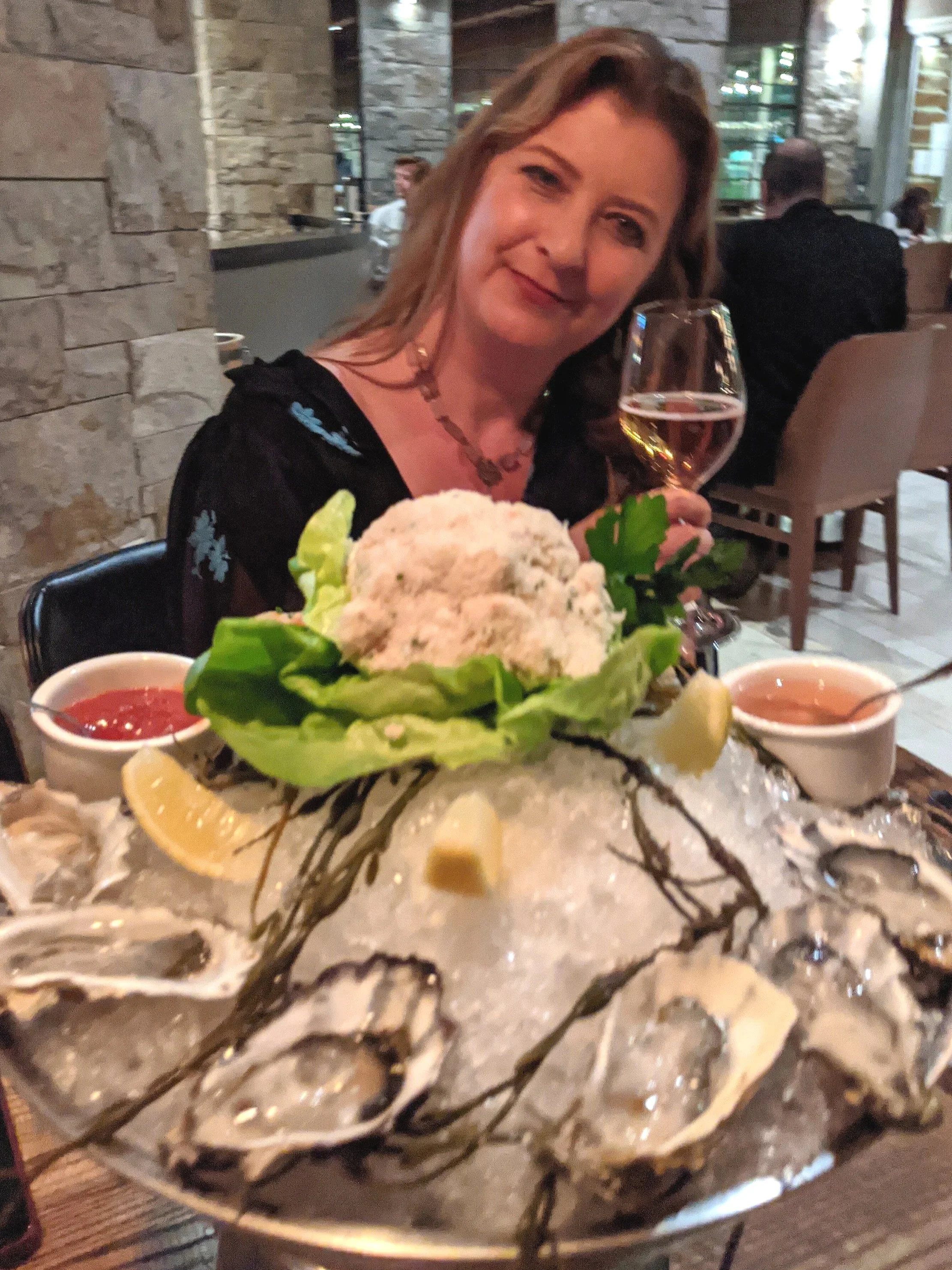
Masa Harina Polenta
Indigenous Mesoamerican cultures developed an ingenious process of nixtamalizing dried corn by soaking it in lime water, which makes niacin and proteins bioavailable and reduces potential mold toxins. Masa harina, the corn flour used to made tortillas and tamales, has been nixtamalized.
If you want a deep dive into a fascinating yet tragic subject, research the epidemics of pellagra, a disease caused by severe niacin deficiency, among groups of impoverished people whose diets were based mostly on untreated cornmeal, such as Italian peasants in the 18th century and tenant farmers in the southern United States in the early 20th century.
You would think that all cornmeal would now be nixtamalized, right? No, the FDA mandates the addition of synthetic B vitamins to cornmeal, which is problematic if you would like to avoid synthetic B vitamins.
The FDA created controversy by mandating that nixtamalized masa harina be “enriched” with folic acid. Which is sort of pointless, since it has been nixtamalized.
In any event, I like the fluffy, pudding-like consistency that I get in this “polenta” by using organic masa harina from Bob’s Red Mill, which is very fresh and has a sweet flavor, instead of the coarsely ground cornmeal generally used for polenta. It takes less time to cook, too.
Serves 4
2 cups chicken stock
2 cups whole milk
12 oz. or 1 ½ cup fresh corn
1 cup masa harina
1 tsp. sea salt, 1 tsp. onion powder, 1 tsp. garlic powder, 1 tsp. mustard seeds
2 T. diced green onion
1 cup shredded cheddar cheese
Bring stock, milk, and salt to a boil. Whisk in the masa harina and decrease heat. Stir frequently and simmer for about 30 minutes. Mix in cheese and seasonings.

Prescription GLP-1 agonists: short-term effects that short-circuit long-term joie and life-force energy?
Americans, in general, don’t feel great. There’s an impulse to put the pandemic behind us, pretend it never happened, and move forward.
I think that’s part of the motivation behind so many people (37.5 million, currently, according to the Gallup Poll) wanting to try the new synthetic GLP-1 peptide pills, which were only recently approved for weight loss in 2025.
The prescription drug mimics the action of GLP-1, a naturally occurring gut hormone that regulates blood glucose levels. Taking it doesn’t correct the underlying cause of gut hormone deficiency, such as gut dysbiosis.
Nourishing the body and replenishing the gut microbiome is a very different—and long-term—approach from deprivation and slowing digestion.
Lack of appetite can lead to anhedonia, a generalized lack of pleasure, as well as severe nutritional deficiencies that synthetic vitamins can’t correct.
A 2024 study in Scientific Reports showed that GLP-1 users in the study had a 195% higher risk of major depression.
I particularly worry about young women trying out the drug who may be depleting minerals from their bones that are necessary for healthy childbearing in the future.
Meanwhile, journalists have glommed on to the idea that wine sales are down because Americans taking synthetic GLP-1 have less interest in dining out and drinking alcohol.
While this may be true, one of the main reasons, it seems to me, that Americans are drinking less wine is that many are not well enough to dine out and order a bottle of wine.
Edward Dowd, a financial and economic analyst, published an article in his Substack titled “US Disabilities Hit an All-Time High of 37 Million in July: UP 23% since Feb 2021: The Signal No One Wants to See,” based on the latest Bureau of Labor Statistics report.
The data shows a continuing trend that began in 2021 and has refused to revert to the mean.
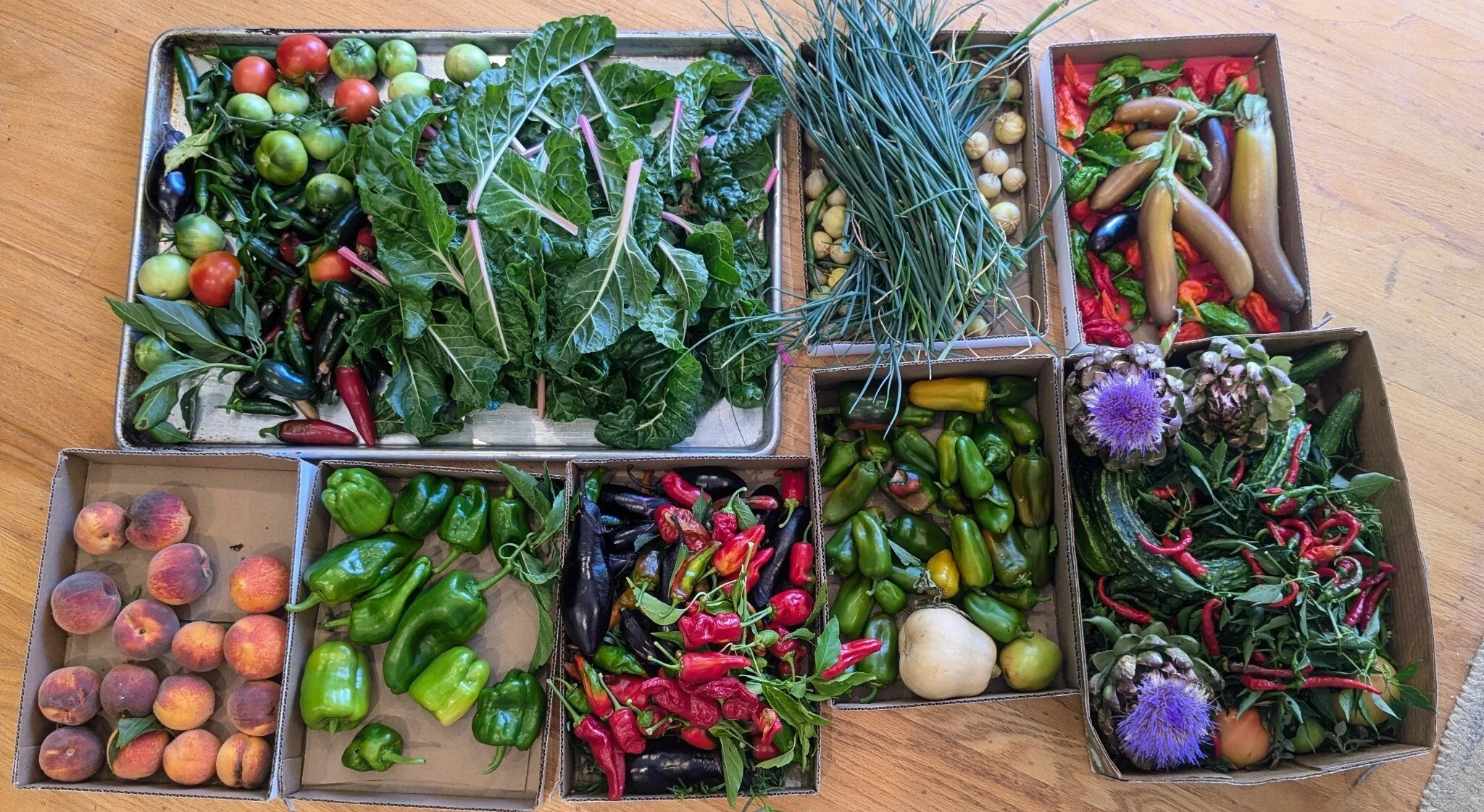
Sweet Potato Mash with Saffron Prawns
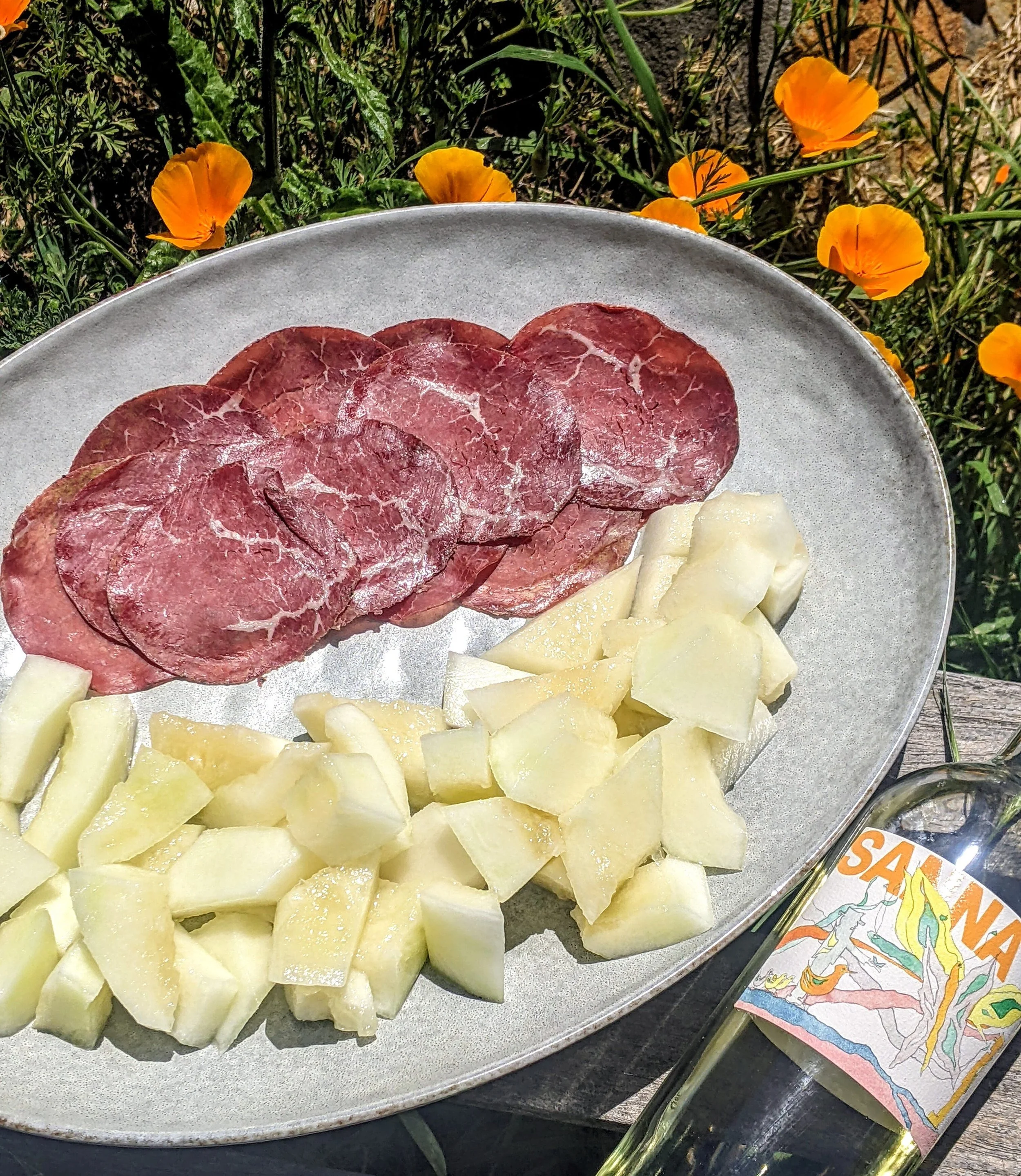
A bed of mashed sweet potatoes flavored with a splash of citrus juice, garlic, ginger, and dried pimento peppers makes a wonderful side or base for many different proteins. It’s especially good with seafood quickly stir-fried with saffron and paired with a glass of our SANNA Sauvignon Blanc, named for our daughter Sanna. Sauvignon Blanc and saffron pair beautifully.
Serves 4
1 lb. sweet potatoes, peeled and cut into chunks (Roast these with olive oil at 425 degrees F for about 25 minutes or until done, or pressure cook until soft, about 8 minutes with natural release in the Instant Pot.)
Add a little olive oil to a sauce pan and gently fry 2 chopped garlic cloves, zest of a grapefruit, 1 tsp. minced fresh ginger, 2 dried pimento peppers (chopped). Take off the heat and add a squeeze of grapefruit juice, salt and pepper. Add the cooked sweet potatoes and reheat when ready to serve.
In a hot wok with a little olive oil or tallow, heat 1 tsp. of saffron-infused salt (I like Whole Spice Napa), then stir-fry 2 lbs. prawns and ½ lb. bay scallops. Add a splash of grapefruit juice. Push the seafood up the sides of the wok and let the juices at the bottom boil and thicken, then stir.
Serve the seafood on top of the reheated sweet potato mash. Garnish with chopped cilantro. Easy to make and very pretty.
Leek Gratin
Serves 4
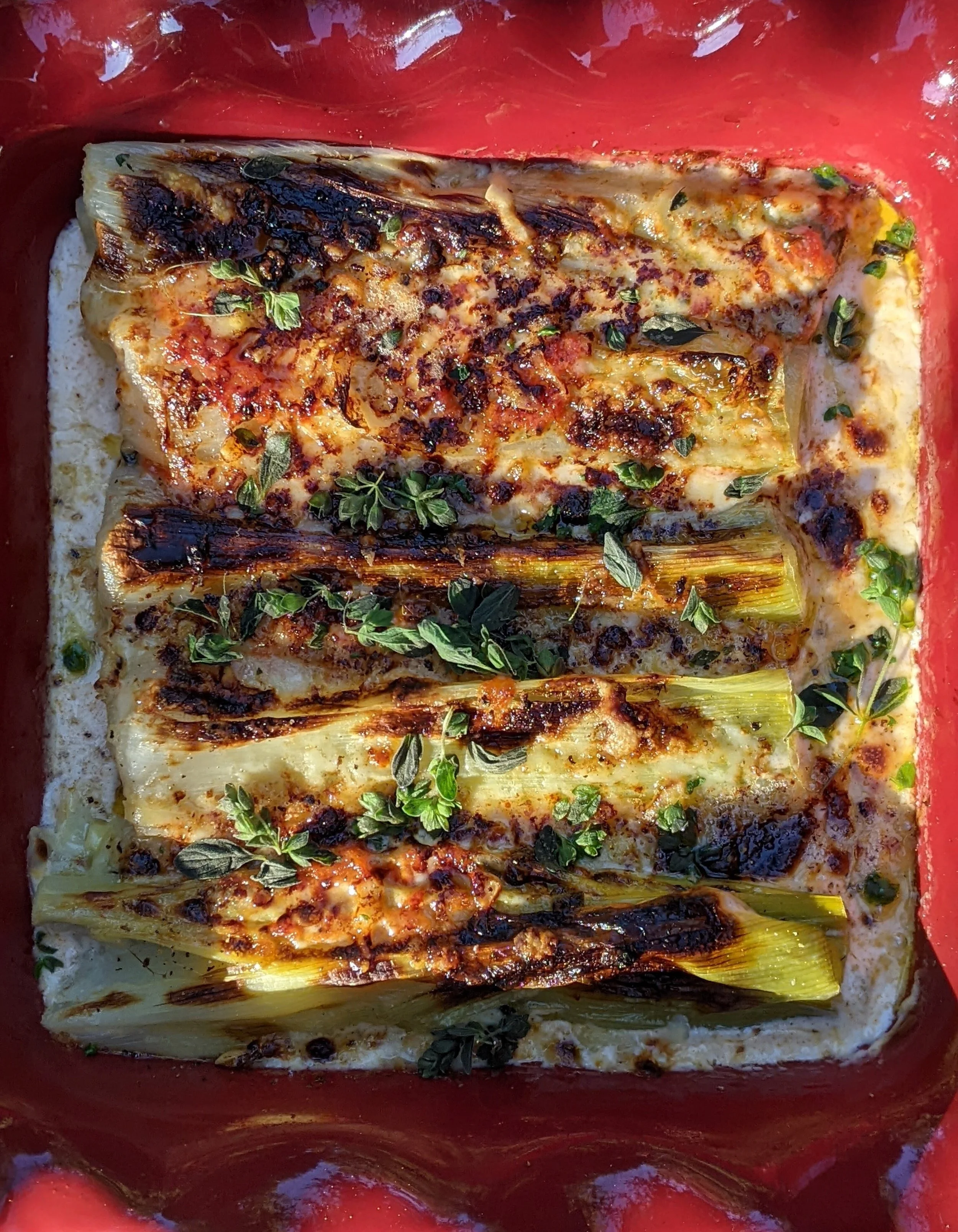
6 leeks, washed and trimmed, cooked until tender in the Instant Pot
1 T. tomato paste
½ cup cream
Gruyere cheese
Fresh herbs
This makes a beautiful side or base for a piece of halibut or chicken. Place cooked leeks in a casserole. Mix tomato paste, sea salt and pepper to taste, and cream well and pour over the leeks. Scatter a handful of cheese over the top. Place under the broiler until the top is golden brown and the cream has thickened into a sauce. Top with fresh herbs.
Garlic Smothered Cabbage
Serves 4
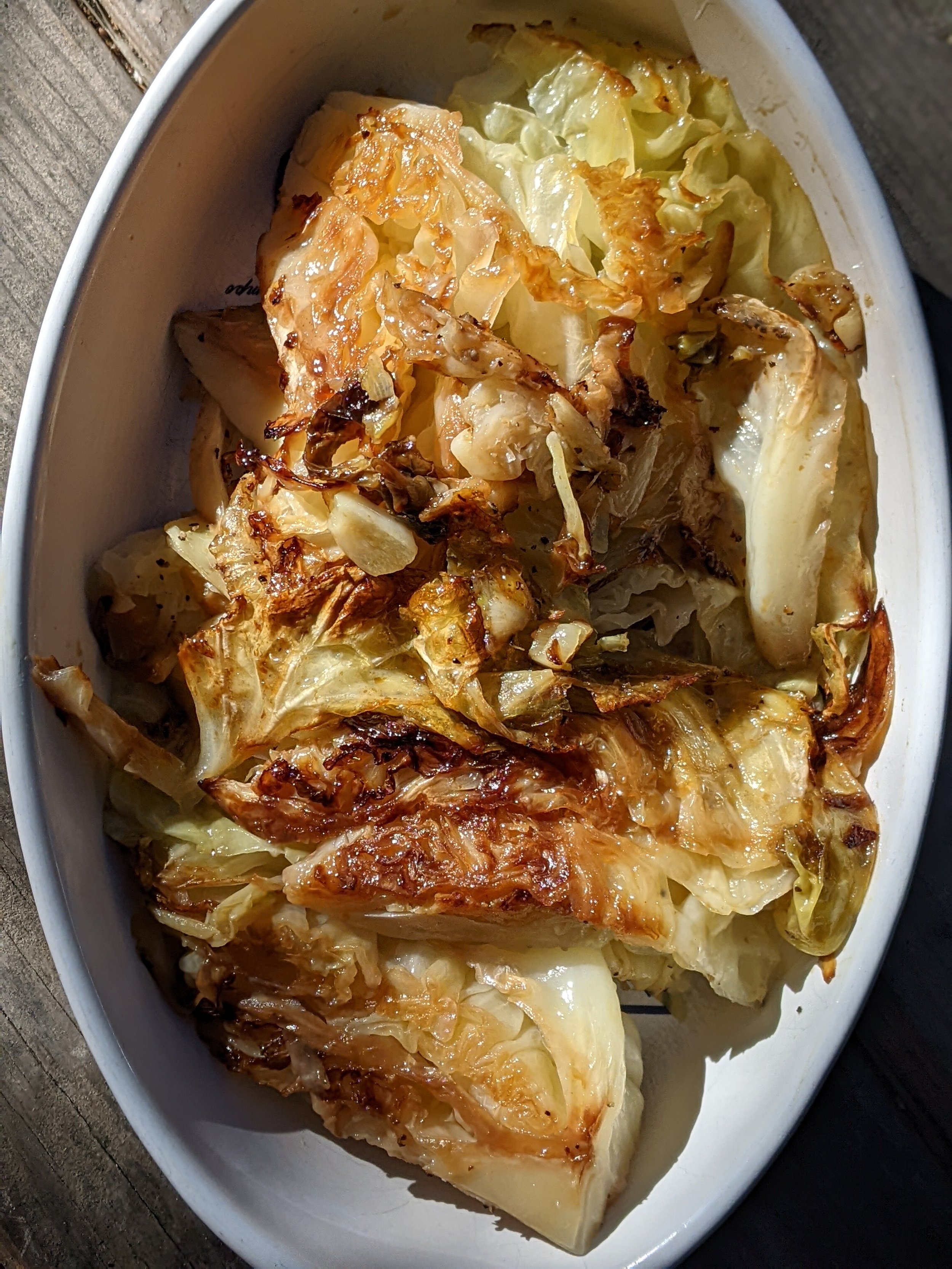
Heat a ¼ cup olive oil in a cast iron skillet until hot. Cut half a cabbage into wedges and sear them in the skillet, then turn them over carefully. Add sea salt and pepper to taste. Cut six garlic cloves into slices and scatter them over the cabbage. Put a lid on the pan and bake at 350 degrees F for about 35 minutes until the cabbage is meltingly tender. You can add fresh herbs or chili crunch to taste. Delicious with stir-fried meat or seafood in lieu of rice.
Main Dish Salads
A main dish salad composed of fresh, cooked, sprouted, and fermented vegetables plus protein delights because of its simplicity and also its variety of textures: creamy, crunchy, crispy, toothsome.
Care should be given when pairing a dressing with wine, so that vinegar-based dressings don’t overwhelm the flavors of the wine.
I inwardly shudder when I see those trendy glass jars that are layered like parfaits with dressing and salad elements, despite their aesthetic appeal.
I’m sure they’re very healthy, but they don’t look substantive, and I think that’s one reason people give “anti-inflammatory” eating an all-out try, and then quit.
The first of our main dish salads comes alive because of the contrast between the crispy, hot, roasted chicken thighs, unctuous with healthy fat, and the cool salad.
Add a slice of buttered sourdough bread and a glass of wine, and it doesn’t get much better. This is how we love to dine all summer long!
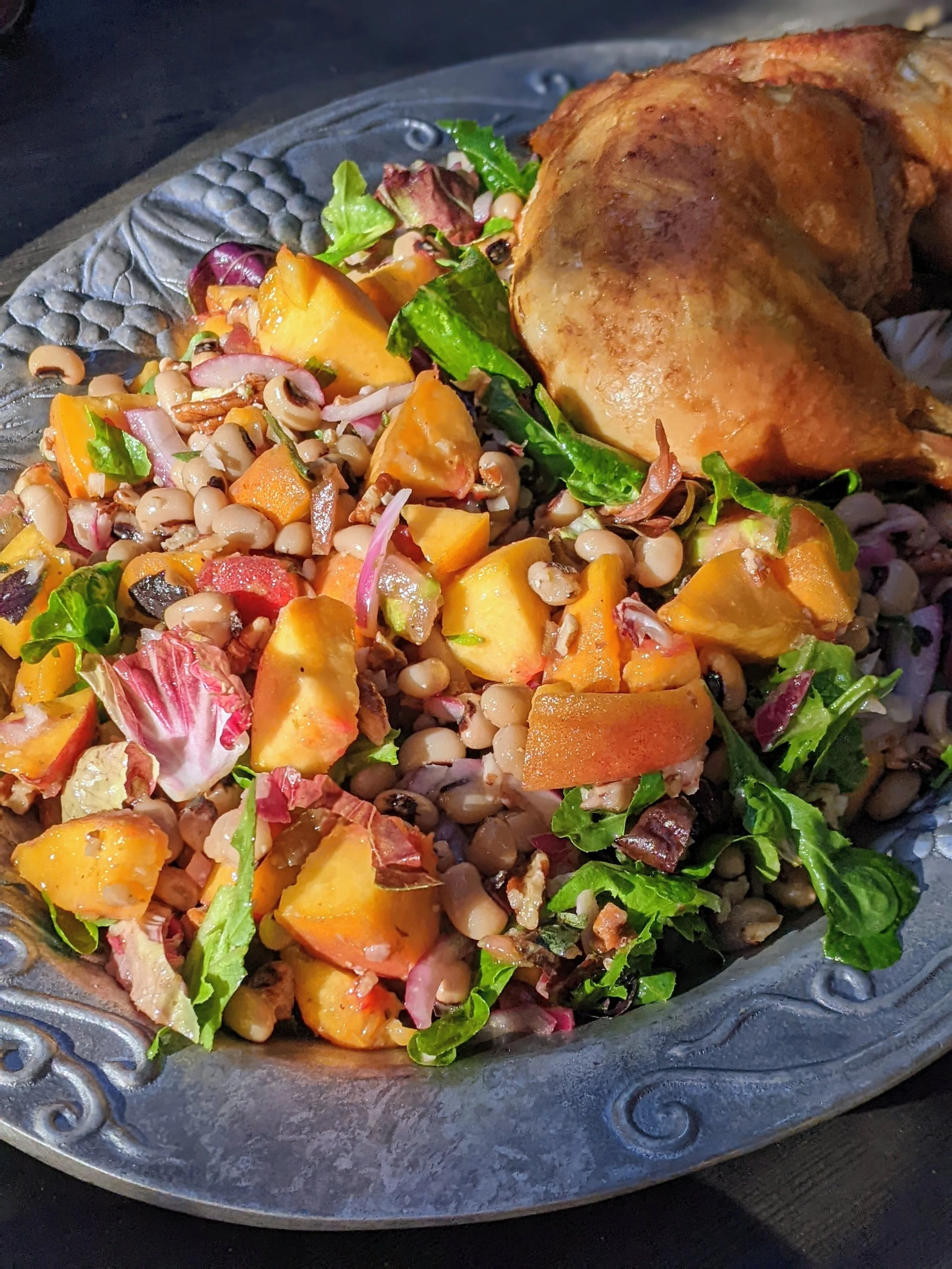
Roasted Chicken with Garden Lettuces, Black-eyed Peas, Basil, Peaches, and Pecans
This recipe is based on one from a popular anti-inflammatory diet book that I had to so thoroughly re-write, I won’t name the book.
For starters, the original recipe called for 2 cans of black-eyed peas. Not only would cold, canned beans taste mid, the phytic acid in them would make them a pro-inflammatory food, in which case it’s a toss-up whether fast food would deliver the same nutritional results.
Cooking the soaked black-eyed peas in stock renders them creamy and luscious, as they soak up both complex flavor and gelatin that aids in the digestibility of foods.
Serves 4
Prepare black-eyed peas by soaking 1 ½ cups dried peas in warm water (to cover) with a spoonful of acidic element, such as lemon juice, apple cider vinegar, whey from yogurt, or juice from lacto-fermented pickles.
Let the black-eyed peas soak overnight, about 12 hours. Drain well. This removes the phytic acid from the peas, making them nutritious and digestible.
Separately, roast a chicken or obtain a good-quality rotisserie chicken, making sure to crisp the skin before serving. Cut chicken into pieces.
In an Instant Pot (my preferred method of cooking), add the drained peas with about 3 cups of homemade stock. Cook at high pressure for 18 minutes and allow natural pressure release.
Drain the black-eyed peas, add salt, and allow them to cool while preparing the salad. (Alternatively, you could slowly simmer the black-eyed peas in stock about 2 hours or until tender.)
Dressing: Zest and juice two limes and whisk together with 2 T. cold-pressed, extra virgin olive oil. Add a generous pinch of salt and pepper, 3 diced garlic cloves, half a red onion or shallot (diced), and half a jalapeno pepper (diced). Mix well.
On a large platter, toss together 2 peaches, washed and cut into chunks, a nice variety of garden lettuces, a handful of torn basil leaves, ¼ cup of toasted pecans, the black-eyed peas, and dressing.
Nestle chicken pieces on the platter with salad and serve. We enjoyed this salad paired with a glass of SANNA Sauvignon Blanc, as the limey flavors in the dressing vibed with the lime leaf flavors in the bright, acidic wine.
What’s the deal with pasta?
Apparently, traditional Italian pasta made from refined, white flour can cause blood sugar spikes and contribute to inflammation.
I’m of two minds here. If I’m dining at a fine Italian restaurant like Bistro Don Giovanni here in Napa, I’m going to order the homemade pasta.
I respect traditional cuisine. Plus, pasta is usually consumed moderately, with other foods, including meat, vegetables, and salad.
According to the textbook anti-inflammatory diet, whole wheat pasta or legume pasta is preferred, but make sure it’s organic.
Glyphosate is frequently sprayed on wheat and legume crops before harvesting, even if they are non-GMO, as a desiccant.
One popular chickpea pasta was tested for glyphosate and had the highest concentration the lab had ever recorded in human food.
Also, most commercial whole wheat and legume pastas are not made from grains or legumes that have been soaked to remove anti-nutrients.
If you can find (or make) sourdough pasta or pasta from sprouted wheat flour, this is best for optimal nutrition.
Anti-inflammatory Pasta Dinners
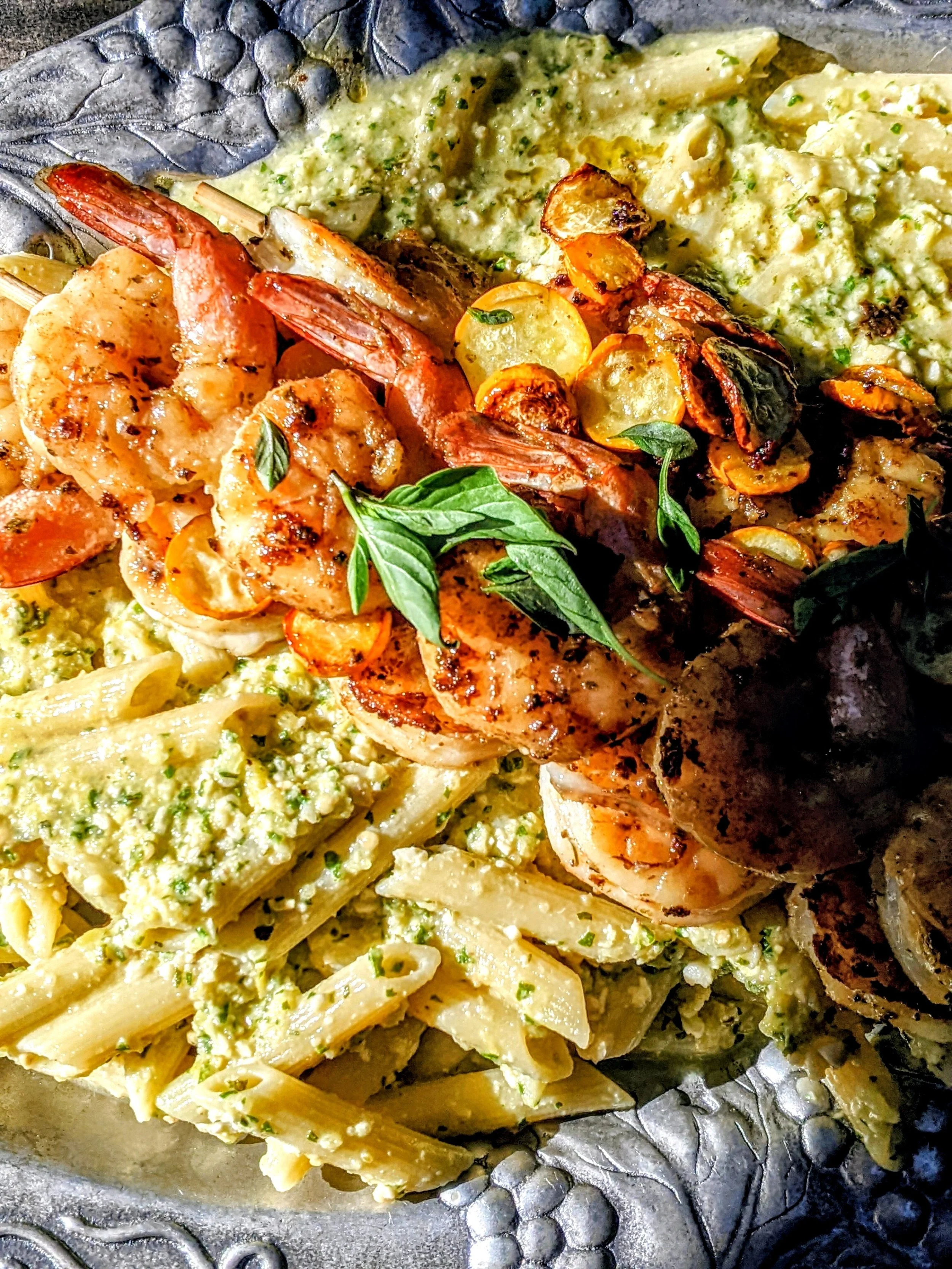
Pasta with Yellow Tomato Pesto, Zucchini, and Grilled Shrimp
This beautiful, no-cook sauce is adapted from Jane Coxwell’s Fresh, Happy, Tasty, a collection of recipes gleaned from her tenure as chef on Diane von Furstenberg’s yacht.
My copy is falling apart, I refer to it so frequently. If you’ve ever wondered how the richest people in the world eat, this book gives you a glimpse.
Serves 4
Put all sauce ingredients in a blender and pulse to desired consistency. Toss with ¾ lb. pasta (organic, sprouted, whole-wheat) cooked al dente, reserving a little pasta water to add if needed.
Top pasta with grilled zucchini slices, fresh, torn basil and Parmesan cheese. Serve with grilled shrimp.
About 4 large, vine-ripened yellow tomatoes
2/3 cup toasted pine nuts
2 minced garlic cloves
4 anchovy filets, chopped
1 ½ cup grated Parmesan
2 tsp. extra virgin olive oil
Good-sized bunch of fresh mint, chopped
Good-sized bunch of fresh basil, chopped
Squeeze of lemon juice
Salt and pepper
Why red meat and saturated fats can no longer take the fall when it comes to chronic inflammation. (Is your dietician stuck in the 1980’s?)
In a series of fascinating podcast discussions, Dr. Stephanie Seneff, PhD, Senior Research Scientist at MIT, and nutritionist and computer scientist Victor Cozzetto, outline a model of the body as a sophisticated hydrogen refinery. Hydrogen ions power the cell’s energy production.
Should deuterium, a heavy hydrogen isotope with an extra neutron, slip in and try to substitute for hydrogen, the ATP pumps glitch and mitochondrial dysfunction ensues. Therefore, the body has developed a sophisticated means of filtering out deuterium: the gut microbes.
These microbes convert dietary molecules into hydrogen gas, which is used to synthesize deuterium-depleted, short-chain fatty acids. The system works beautifully—unless something artificially disrupts it.
Glyphosate, for example, kills beneficial bacteria like bifidobacteria and lactobacilli, and the body loses its precious deuterium homeostasis. Antibiotics don’t help, either.
Cellular deuterium acts like a bowling ball smashing the delicate, fast-spinning ATP pumps, and the increasing mitochondrial stress leads to metabolic dysfunction.
Dr. Seneff believes that glyphosate may also substitute for the amino acid glycine during protein synthesis, disrupting methylation and interfering with sulfur metabolism. A deficiency in cholesterol sulfate would then lead to chronic inflammation.
According to this model, if deuterium homeostasis is key to avoiding inflammation, then deuterium-depleted foods (such as animal fats) are an excellent source of nutrition, in addition to organic fruits, vegetables, and whole grains.
There’s an unfortunate degree of (outdated) condescension in Harvard Medical School’s explanation that “unhealthful lifestyle choices” contribute to chronic inflammation, as well as John Hopkins Medicine’s pinning the blame on red meat and deep-fried foods, as if anyone suffering from inflammation is a dummy who subsists on a diet of bacon and donuts. (Or maple-bacon donuts.)
Post-COVID, I’ve seen a number of healthy, fit, smart people with whole foods diets develop concerning pre-diabetic status, perhaps due to the fact that lipid nanoparticles in mRNA products cause cellular stress and inflammation, and also that the COVID shots wipe out beneficial bifidobacteria in the gut that are needed for the delicate process of deuterium homeostasis.
Drinking kefir might help. In any event, steak isn’t to blame, grilled or not. Do you know anyone who indulges in steak every night? No. Maybe sweetened coffee drinks, though.
Anti-inflammatory Stir Fries & Curries
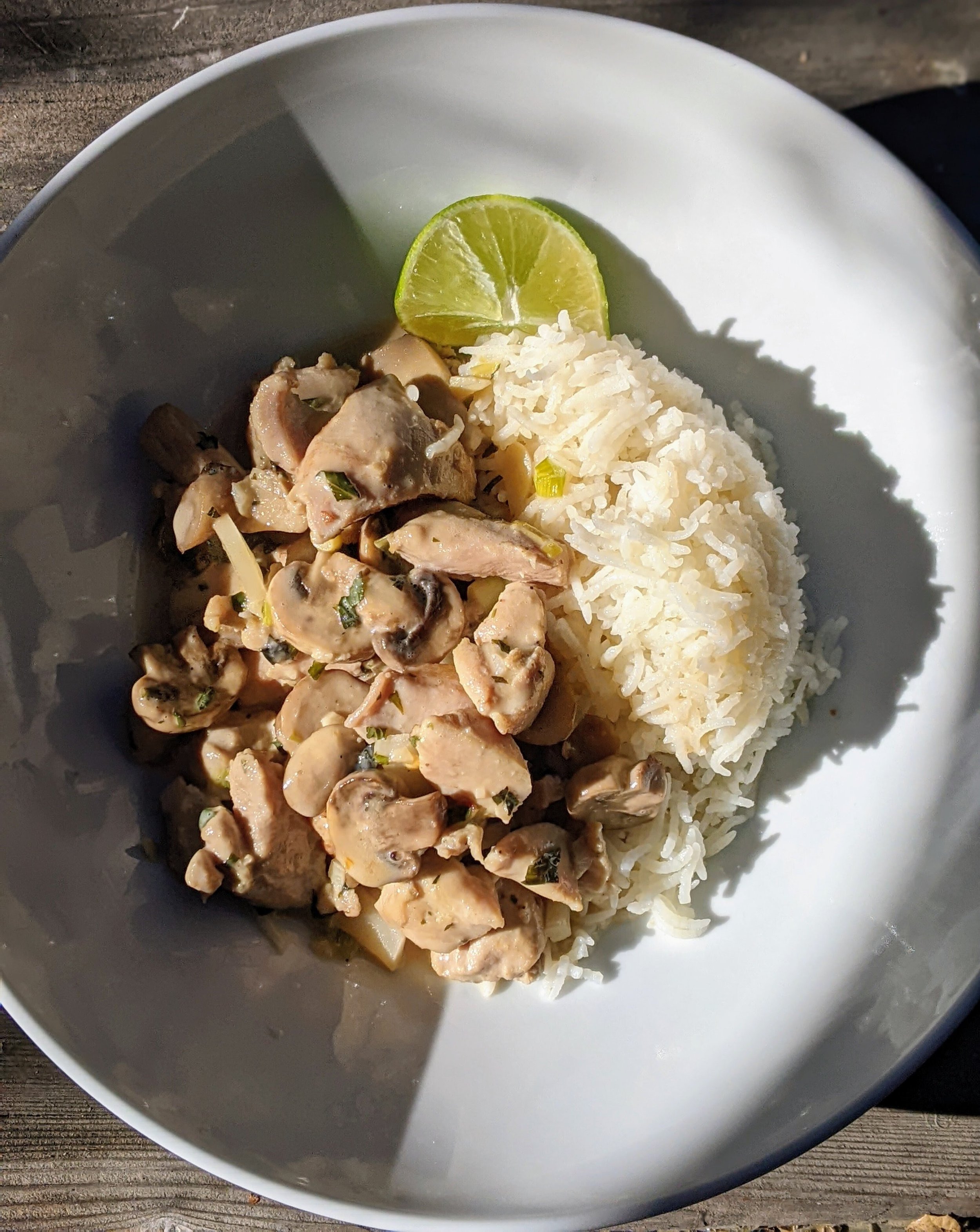
Coconut Chicken with Mushrooms and Thai Basil
Serves 4
1 lb. chicken thighs, cut into pieces
½ lb. mushrooms
4 cloves garlic, minced
Handful of purple basil, chopped
Handful of mint, chopped
¼ cup green onions, chopped
Sauce: Combine ingredients (except cornstarch mixture) in small bowl.
1 can coconut milk
1 T. Shaoxing wine
1 tsp. Chinese chili sauce
1 T. fish sauce
½ tsp. black soy sauce
1 T. cornstarch mixed into 1 T. water
Heat cooking oil in a wok and when very hot, saute chicken until lightly browned. Add mushrooms and garlic and stir-fry. Add herbs, green onions, and sauce ingredients. Bring to a boil and simmer until chicken is cooked through. Stir in cornstarch mixture to thicken sauce, if desired. Serve with rice, with more fresh herbs on top. (Sometimes I add a handful of dried coconut strips and dried or fresh mango to this.)

What’s the deal with rice?
My family loves Asian food. Years ago, I made the decision to cook organic white rice rather than brown rice. My thinking was that if half the world’s population eats rice every day, and 98% of the rice eaten is white, perhaps I should respect culinary tradition.
I get weary of food neurosis, the constant optimizing of nutrition and attendant food phobias; at the same time, I understand that one has a responsibility to do due diligence when it comes to feeding a family.
The cost-benefit analysis is interesting. There are benefits to eating brown rice, as the rice bran and germ are a good source of fiber, vitamins, and minerals, and it has a lower glycemic index. The downside?
Rice is prone to absorbing arsenic and cadmium from the soil, and these heavy metals are found mostly in the bran. The bran also contains phytic acid, which interferes with mineral absorption. If you choose to eat brown rice, it should be soaked overnight or par-boiled and rinsed and then slowly cooked.
My takeaway: polished white rice has less phytic acid and heavy metals, but you lose nutrients, fiber, and antioxidants if you choose to eat white rice.
You could soak it if you want, or you could source certain types of rice (California-grown, Thai Jasmine rice, Basmati rice from India or Pakistan) that have lower levels of heavy metals.
While glyphosate is not used on rice crops, as it will outright kill the crop, other pesticides and herbicides are used, so it’s worth supporting organic farmers and buying organic rice.
I love the flavor and texture of fluffy, white rice, so the tradeoff that I’m willing to make is that when I make fried rice, the vegetables outweigh the rice.
More-Veg-Than-Rice Fried Rice with Crispy Lamb Sausage
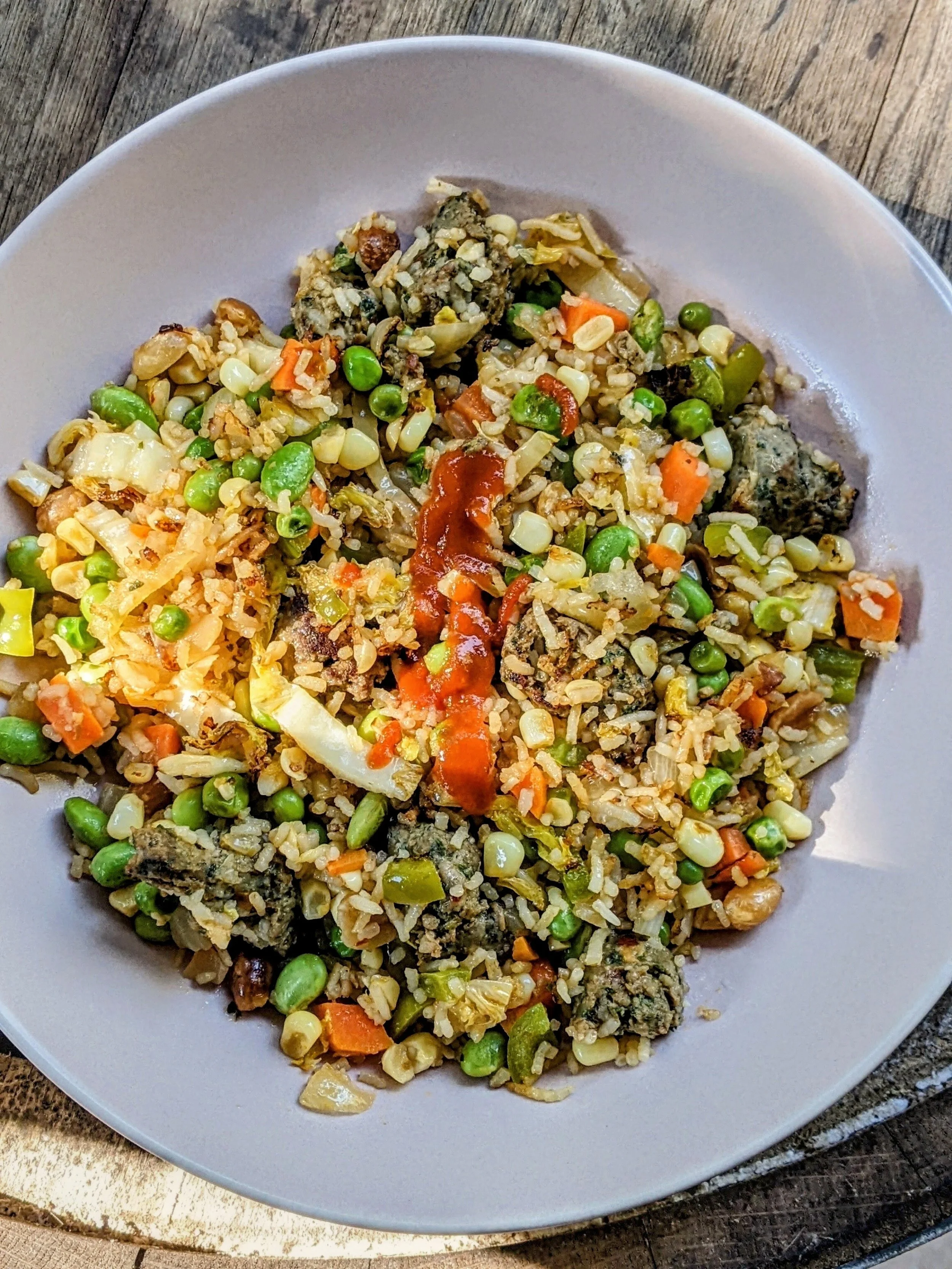
The inspiration for this dish comes from Julia Turshen’s wonderful comfort food cookbook, Simply Julia. Her brilliant idea is to stretch a little bit of leftover rice (2 cups) into a healthy meal by adding lots of crispy vegetables and an easy sauce.
Serves 4
For the sauce, mix together: 1 T. minced fresh ginger, 2 minced garlic cloves, 2 T. soy sauce, 2 T. chili garlic sauce, 2 tsp. rice vinegar
1 diced onion
2 carrots, peeled and diced
1 bell pepper diced
½ a small Napa cabbage, shredded
2 cups cooked, cooled rice
1 cup peas
1 cup corn
1 cup shelled edamame (if desired; unfermented soy can cause issues because of phytoestrogens, phytic acid, and tyrosine inhibitors but is OK in moderation)
¼ lb. good quality lamb sausage
½ cup roasted, salted peanuts
Add a little cooking oil to your wok and get it hot. Brown chunks of sausage and remove to a plate. Stir-fry vegetables and remove to the same plate. Add the rice to the hot wok and let it sit undisturbed so that it crisps, then return vegetables and meat to the wok and stir together. Add sauce and stir. Garnish with peanuts.
The Catering Mishap Story
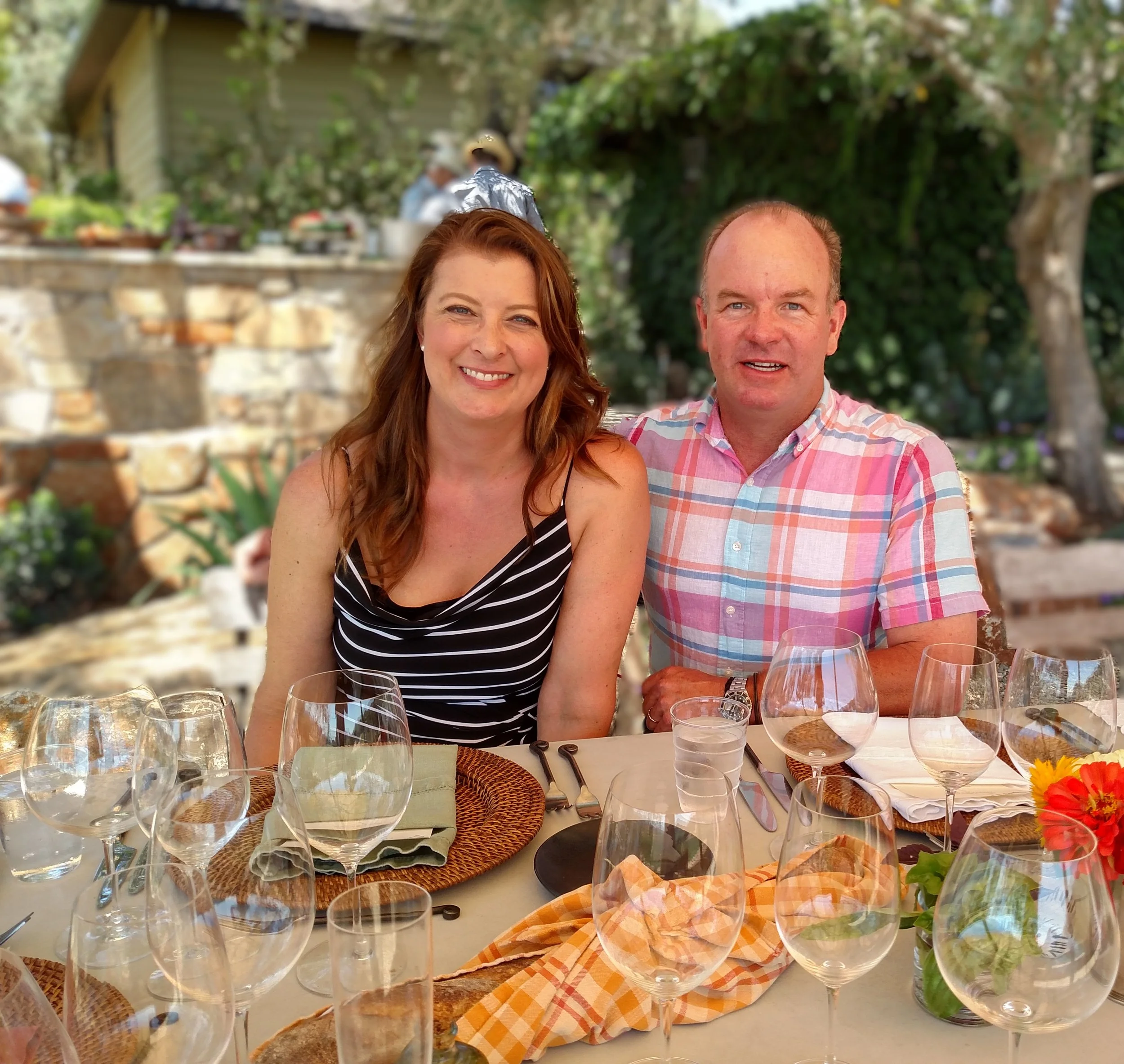
Seven or eight years ago, Kristof and I uncharacteristically asked a favor of the winery owners where he was founding winemaker: would they donate an auction lot to raise money for our child’s school?
The lot would be lunch at the winery for a party of six, we would host, and they would provide catering and wines. It was a big ask, but then, we’d never asked for anything before.
At the school auction, the lot went for thousands of dollars. We set a date with the winning bidders. Everything seemed to be coming together, when the winery owners told us their caterer was not available, and we would have to take care of the food ourselves.
“You could do the cooking,” Kristof said. I was despondent. “No one pays thousands of dollars for mommy’s home cooking,” I said.
What else could we do? As I planned the menu, I sifted through my observations from two decades attending winery dinners. What worked? How were things done?
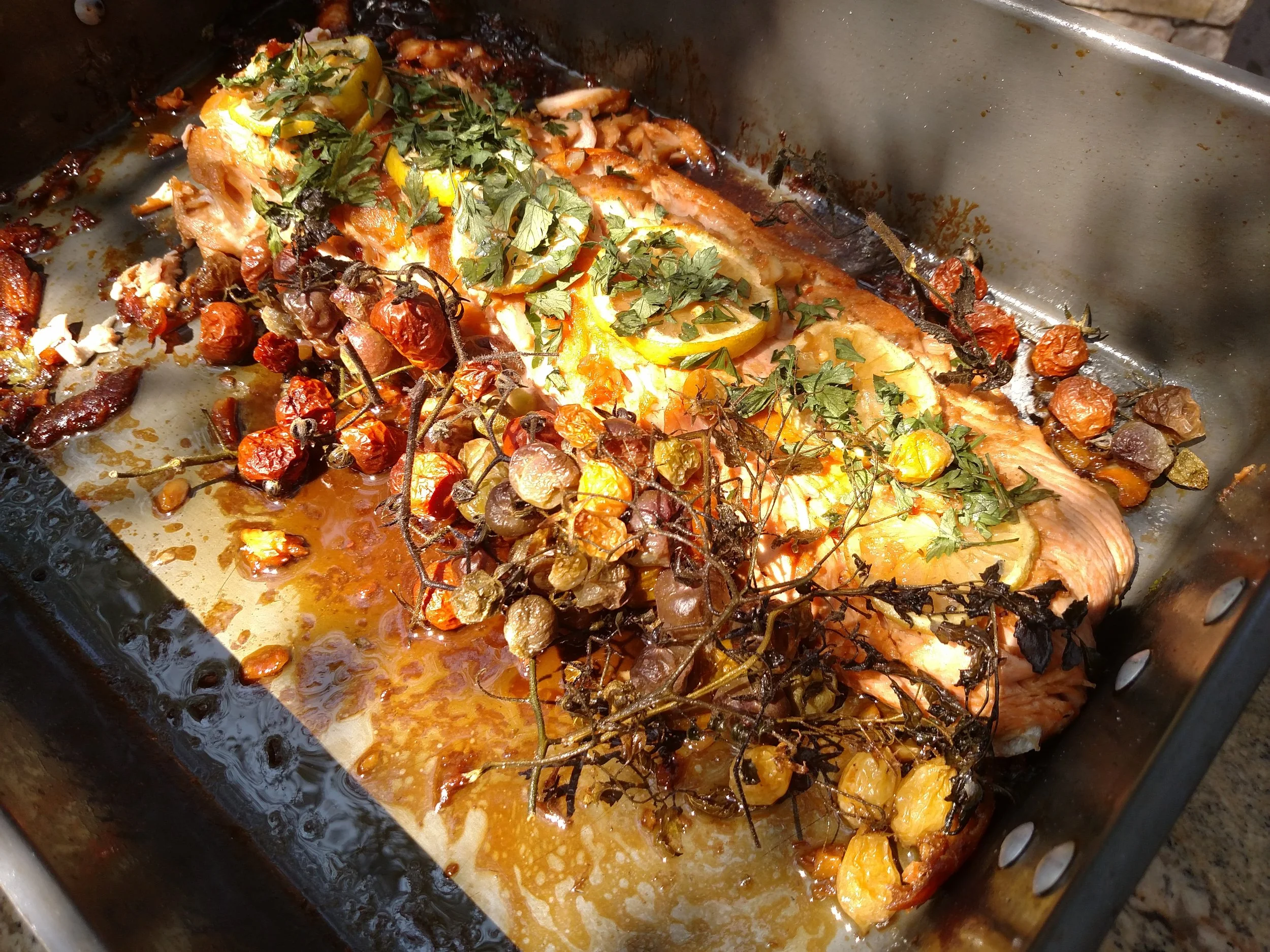
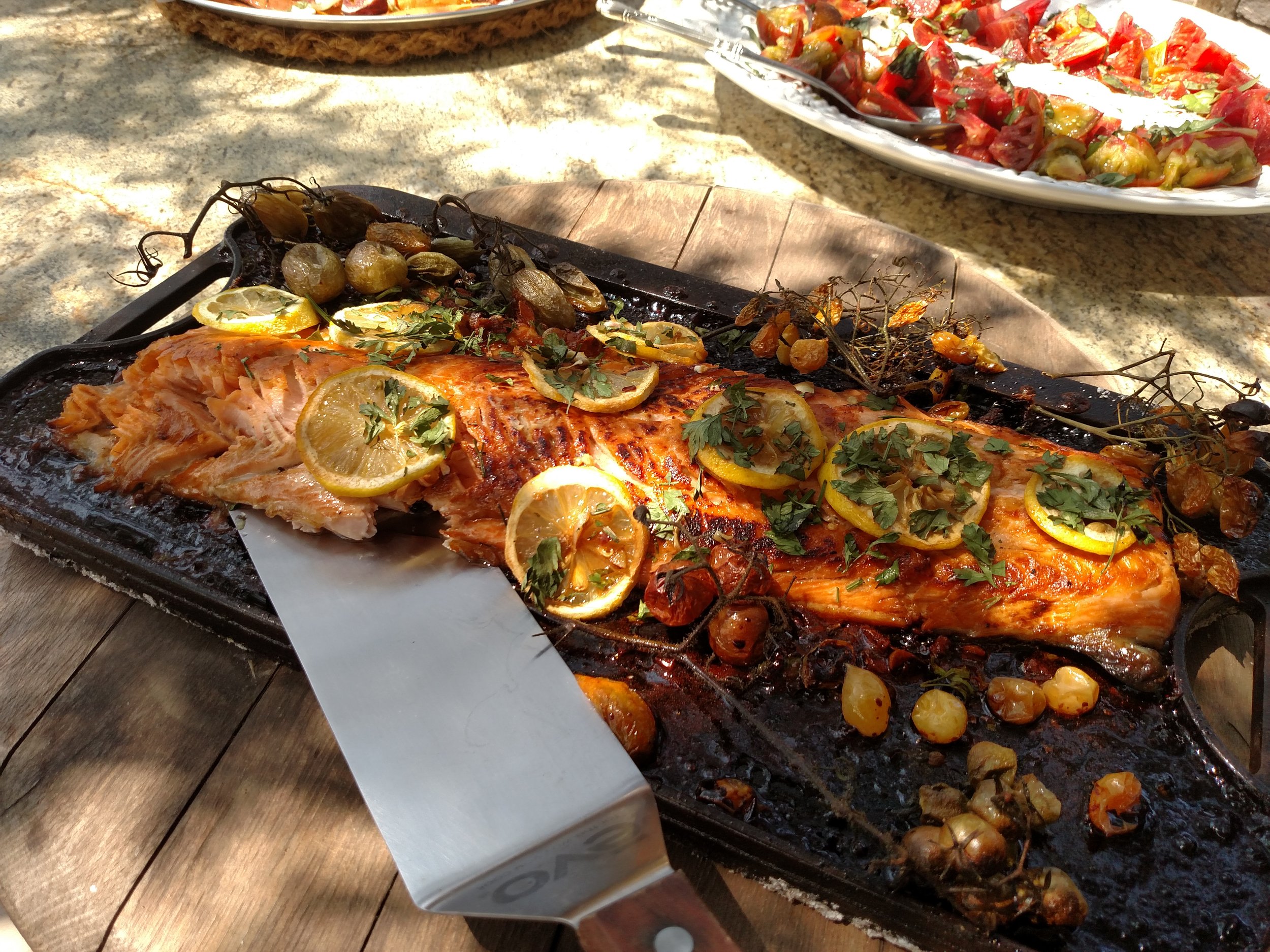
We bought a beautiful, whole salmon from our fish market, which we cooked in the winery’s pizza oven with a honey/soy glaze.
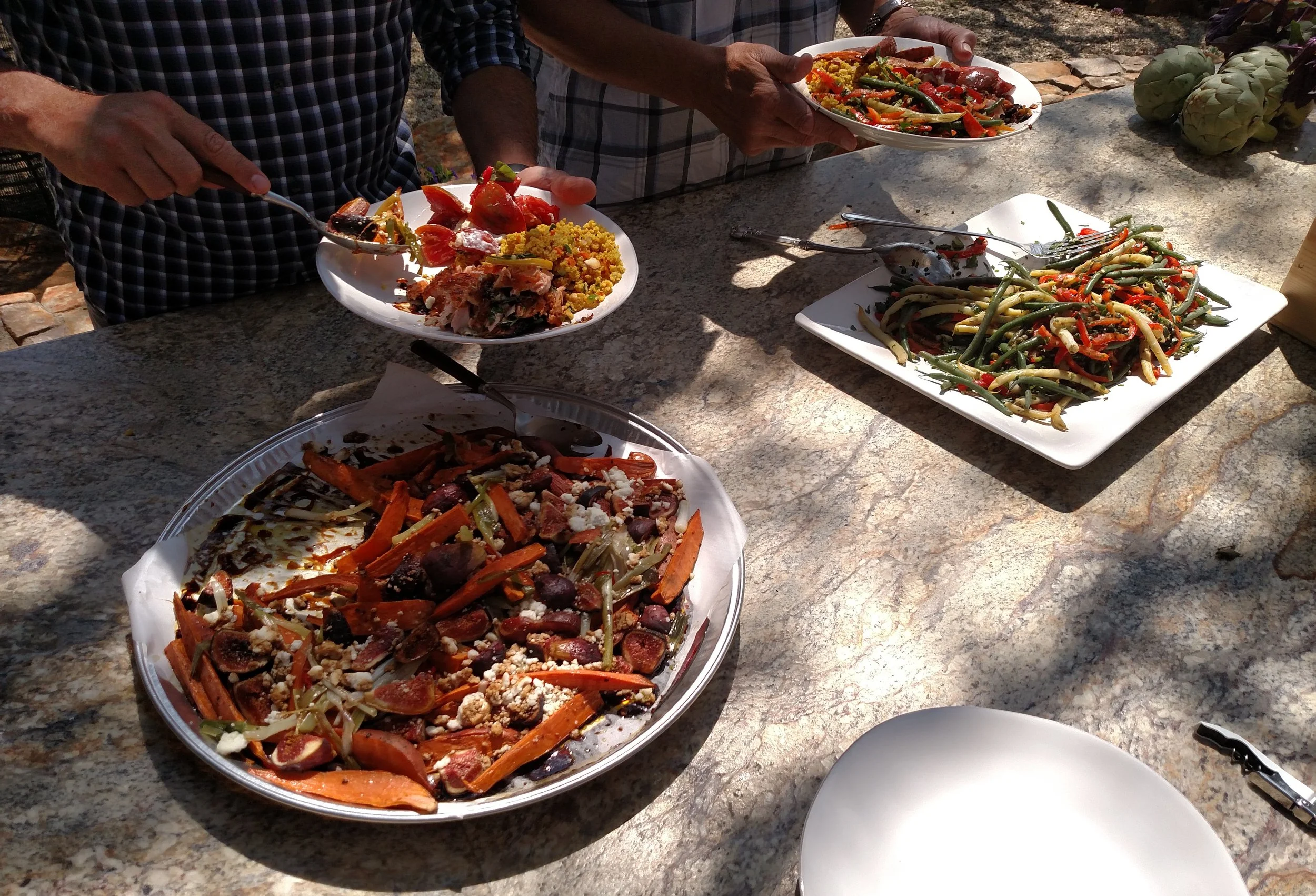
I did all the prepping at home and made side salads from Ottolenghi’s brilliant vegetable cookbooks using produce from our garden, which we served as a buffet. Dessert was crème brûlée, with blackberries from our backyard.
The lunch was a huge success, which goes to show that, it it’s fresh, and you don’t freak it up (by overcooking or over-saucing), you’re golden. Also, a vineyard view and spectacular wines help.
The experience was a touchstone in my thinking of what comprises true luxury, and the answer always comes back to this: freshness and simplicity. We never even used the winery kitchen. Turns out, fresh and simple is also healthy.
Anti-inflammatory Cali-Mex Cuisine

At Roberto’s, our favorite spot for fish tacos in San Diego.
Surf & Turf Tacos with Roasted Vegetables
Serves 4
Roast your vegetables: Preheat oven to 400 degrees F. Toss an array of sliced organic vegetables with a little olive oil, salt and pepper, and cumin seed. (A combination of cauliflower, mushrooms, red cabbage, zucchini, red peppers, etc. is good here.) Spread vegetables in an even layer on a baking sheet. Roast for about 30 minutes, stirring occasionally, until done.
In a hot wok, stir-fry ½ lb. prawns in a little olive oil with half an onion (diced) and a clove of garlic until done, then remove to plate. Stir-fry ½ lb. grass-fed beef (cut into cubes) until done. Combine both, add a little salt and pepper, squeeze of lime, and salsa of your choice.
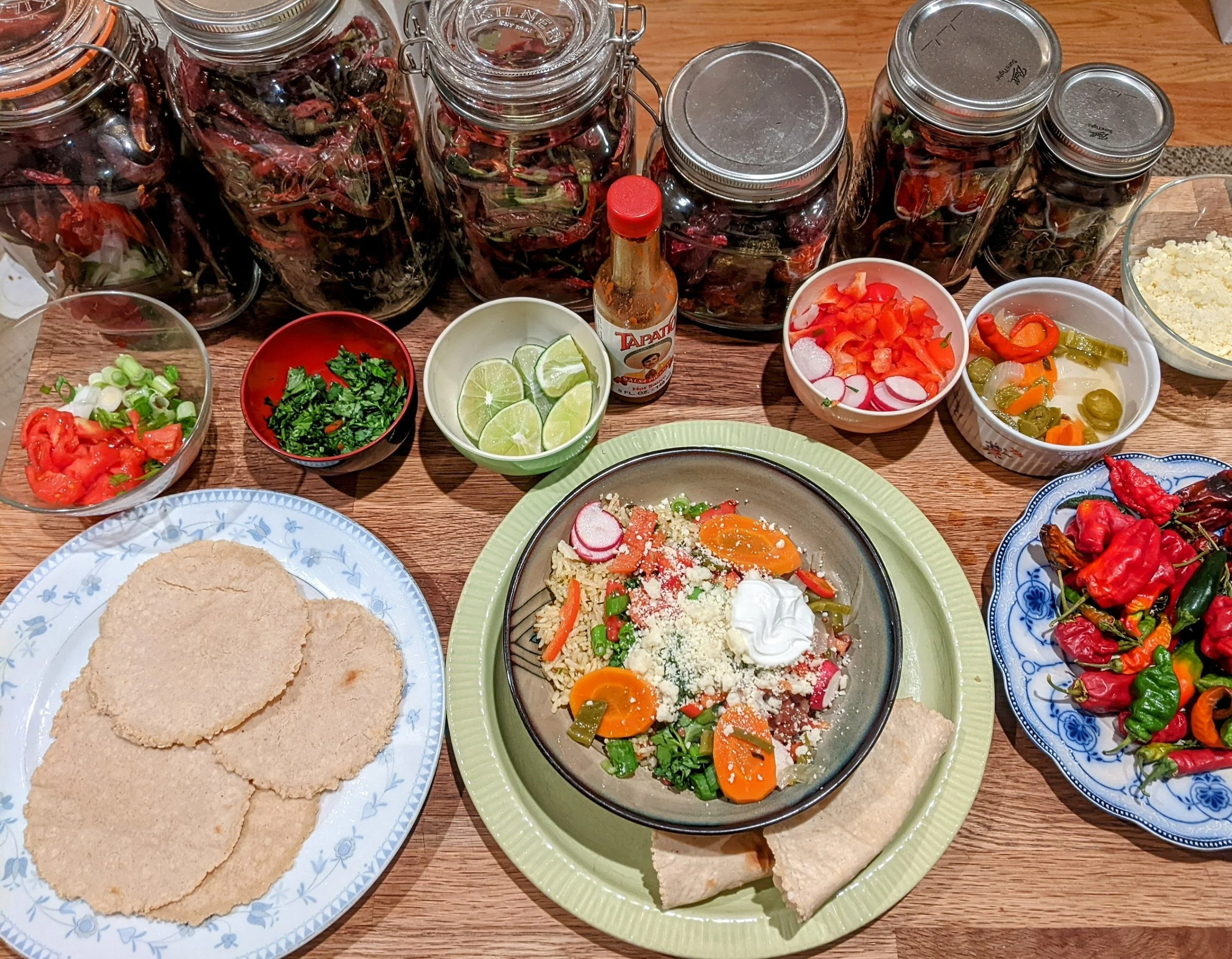
Warm nixtamalized corn or sprouted wheat tortillas over gas flame or in a cast iron skillet and wrap in a dish towel to keep warm. Serve roasted vegetables and steak/shrimp mixture with tortillas, plus desired condiments (diced avocados, crema, sliced radish, cilantro, salsa, Tapatio.)
Step away slowly from the nut bar…
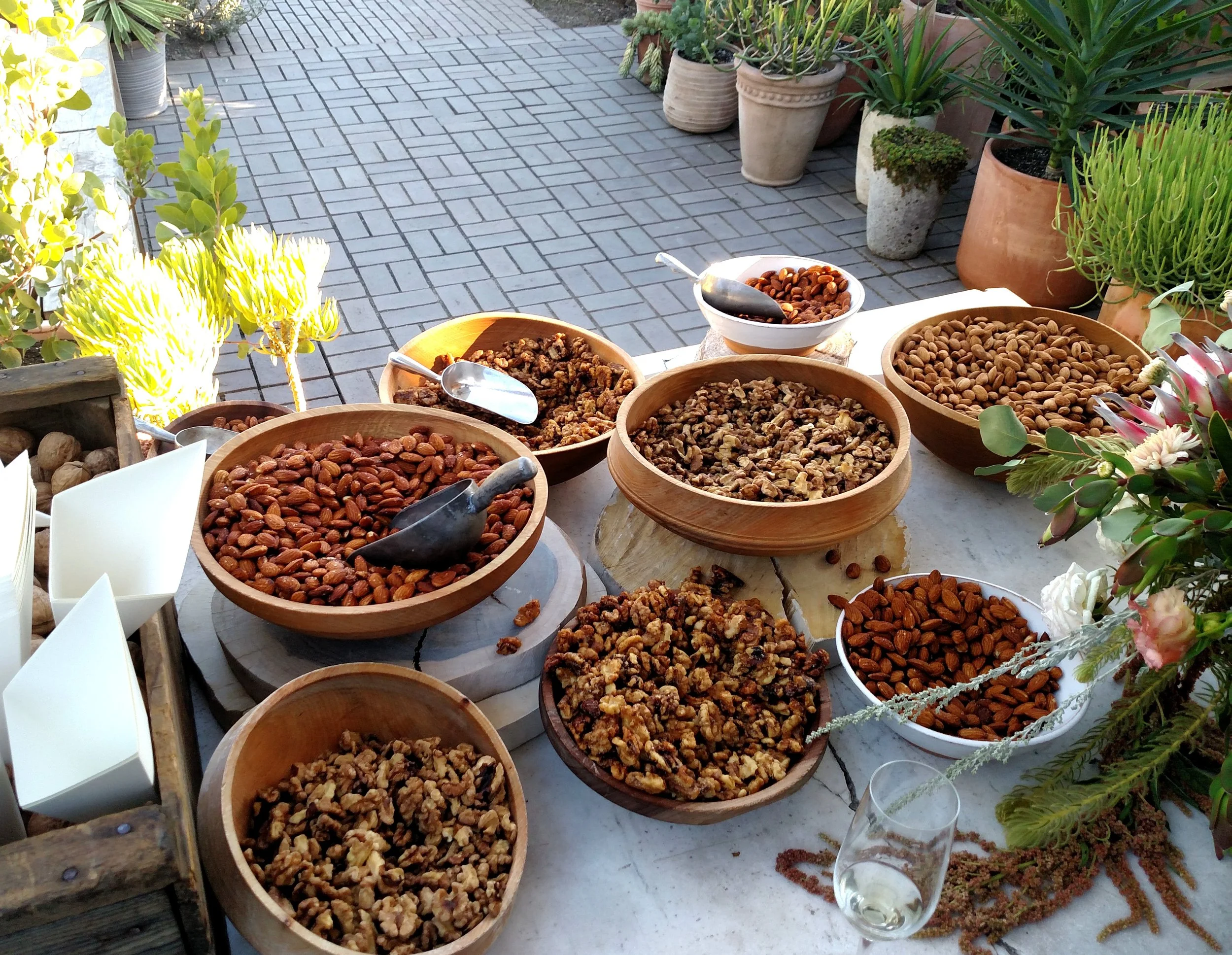
What to do about nuts? Nuts and seeds are like the hall pass monitors of the anti-inflammatory diet; they can do no wrong. Throw a handful into your granola! Toss some in your salad! You’re getting fiber, plus heart-healthy Omega-3 fatty acids, right? Chia, hemp, flax, pepita, sunflower, almond, walnut! Need protein? Slather almond butter on that celery stick. You are a good person.
The only problem is that nuts and seeds are full of enzyme inhibitors and anti-nutrients that block mineral absorption and can lead to anemia and other health problems.
Look for organic, sprouted seeds and nuts, or sprout your own. You can find peanut butter made from organic, sprouted peanuts, but understandably it’s expensive because the process of soaking and dehydrating is time-consuming.
One of my favorite salad dressings is made by blending cilantro, olive oil, lime and orange juice and zest, pepitas, jalapeno pepper, roasted poblano pepper, garlic, and feta cheese. My mouth waters just thinking about it.
Sometimes I make my own crispy pepitas, by soaking pumpkin seeds in salted water overnight and dehydrating them over low heat until crispy.
Other times, I’m too busy, and I figure a handful of seeds one way or another, as part of a larger meal starring roasted lamb and vegetables, is not a big deal.
If I was a vegan and nuts and seeds were a major source of protein for me, I’d be more concerned. Wine in moderation, nuts and seeds, too.
Did people metabolize alcohol better 100 years ago? I’m curious. Recently, I re-read MFK Fisher’s 1936 essay, “I was So Very Hungry.” It was not what she ate, as a lone female, at a restaurant in an old mill in northern Burgundy, that impressed me, it was what she drank. She drank a lot! A glass of Spanish Sherry as an aperitif, a bottle of Chablis 1929 “well cooled but not iced” with lunch, followed by a “vast glass” of hot, aged marc, drained, then refilled as a digestif.
This unembarrassed, unredacted record of what she drank gave me a slight shock, reading it in our current anti-alcohol climate. I wondered—was it possible—could people 100 years ago metabolize alcohol more easily than today? Was the toxic burden on their bodies less than it is now?
I thought of a former colleague of mine at a wine education firm, Jaymes, (I’ll alter details here to protect privacy) who had once been a sommelier at a fine dining restaurant with an award-winning wine list, but who, when I knew him, no longer drank alcohol. He was part of the “dry sommelier” movement.
One day, as I was sitting at my desk, my new colleague entered my office and sat down at the round table behind me to eat his lunch. This was not as invasive as it may sound; my office housed the table where we held our staff wine tastings. I found myself unable to concentrate because I could feel him staring at the back of my head. I joined him at the table with my lunch.
I was glad James had accepted the job offer and wanted him to succeed. We were short-staffed, and I had been covering aspects of his job.
“You know, I stopped drinking wine a couple years ago,” Jaymes told me, apropos of nothing, while munching on his salad. Jaymes had full tattoo sleeves of grape vines on both arms that snaked all the way up his shoulders, so that vine tendrils peeked from his collar. Who gets sleeves like that? At some point, wine had meant everything to Jaymes.
“You don’t drink wine at all?”
He shook his head. “I’m taking meds for depression, anti-anxiety, and lots of other things that don’t vibe well with alcohol.”
“Oh, I see.” I am a big believer in workplace privacy, and Jaymes’ candidness made me uncomfortable. Jaymes had a tic that was unnerving to watch, as it created a wave-like motion from one shoulder, though the neck, to the other shoulder, causing the colorful vines to undulate every few moments.
“I microdose on THC now,” Jaymes said. “It helps with my autism. I sleep better now, my skin is clearer, and I’ve lost weight.”
“I would miss drinking wine with dinner,” I said. “Also, it doesn’t affect my sleep.”
He said, “My autism sometimes makes me come across as too blunt to others, so let me know if I offend you. My bluntness can be a gift, but it has caused problems for me in past work situations.”
“OK,” I said, “I appreciate knowing that.”
“You’re in charge of social media, right?” he asked.
“Yes, that’s right.”
“You should let me do it. I could do a better job.”
It soon became apparent that Jaymes wanted this part of my job very badly because he thought we could attract a younger crowd by featuring functional beverages, canned wine, THC-infused drinks, non-alcoholic wines, etc. But I was good at my job and wasn’t about to hand it over.
He’d been working with us for less than a month when he took two weeks of vacation. He’d sheepishly explained that the trip had already been planned when he was hired. What could he do?
When he came back, he organized a staff tasting of alcohol-removed wines. I watched as he unpacked bottles of poorly named, dealcoholized wines with labels like trashy romance novels depicting guiltless trysts, thornless roses, and ravaging spring breezes.
“If someone wants to lessen their alcohol consumption, they should add water to their wine, as people have done for millennia,” I said.
“You wouldn’t be offended if someone added water to wine? Say a wine your husband made.”
“The wines my husband makes are perfectly balanced, so that would be a crime. But many wines these days are like concentrates, and adding water would improve them.” We agreed to disagree.
One Sunday morning, my employer texted me at home, asking me to come early Monday. “Poor Jaymes went home sick, and all the wine glasses from the tasting event are still on the table and need to be washed,” she texted. Poor Jaymes, indeed, I thought.
The table was a wreck, ten people, eight glasses each, stained with wine dregs, smeared with lipstick. I’ll never understand why people think it’s OK to sit at a table and peel the label off a water bottle, tear it into little sticky bits, and leave them for another person to clean up.
Poor Jaymes worked from home for the rest of the month. At the end of the month, on the day that I was scheduled to give a presentation on our social media stats—you guessed it—Jaymes came back to the office, feeling better.
“I’d like to share something, if I may,” Jaymes said, and then it was all over for me. There before us was Jaymes’ gleaming, hypnotic, social media vision and plan for doubling followers in one short month.
“Now this is what I’ve been wanting!” the boss said. “From now on, I want you BOTH to do social media.” Jaymes made a post about zero alcohol wine later that day. In the long run, I think we neither gained nor lost followers. If only I could harness his zeal, and that of everyone in the zero alcohol movement, for zero glyphosate. Now that would bring about real healing.
Desserts
Around 2012, I had a great stroke of luck: Dr. Cate Shanahan, author of Deep Nutrition: Why Your Genes Need Traditional Food was my new general practitioner here in Napa. I had a feeling she wouldn’t stay long.
If you read the case studies in her book, you’ll understand why: she healed people of numerous potentially chronic diseases simply by getting them off sugar and seed oils, which is not what you’re supposed to do in our current pharmaceutical-based medical model. She eventually left to overhaul the LA Lakers’ nutrition program.
Processed sugar is relatively new in human history, and the epigenetic impact on human evolution remains to be seen. So new, in fact, that a visitor to the royal Palace of Greenwich in 1598 took note of Queen Elizabeth’s black teeth, “a defect the English seem subject to, from their too great use of sugar.” Processed sugar was still a rarity only 400 years ago.
You can read more in William Dufty’s 1975 classic, Sugar Blues. As if the negative health impacts of sugar are not enough, he writes about the unsavory sociology of sugar, including its role in slavery.
“’No cask of sugar arrives in Europe to which blood is not sticking. In view of the misery of these slaves, anyone with feelings should renounce these wares and refuse the enjoyment of what is only bought with tears and death of countless unhappy creatures.’
Thus wrote French philosopher Claude Adrien Helvetius in the middle of the eighteenth century when France had moved into the front ranks of the sugar trade. The Sorbonne condemned him. Priests persuaded the court he was full of dangerous ideas; he recanted—in part to save his skin—and his book was burned by hangmen.”
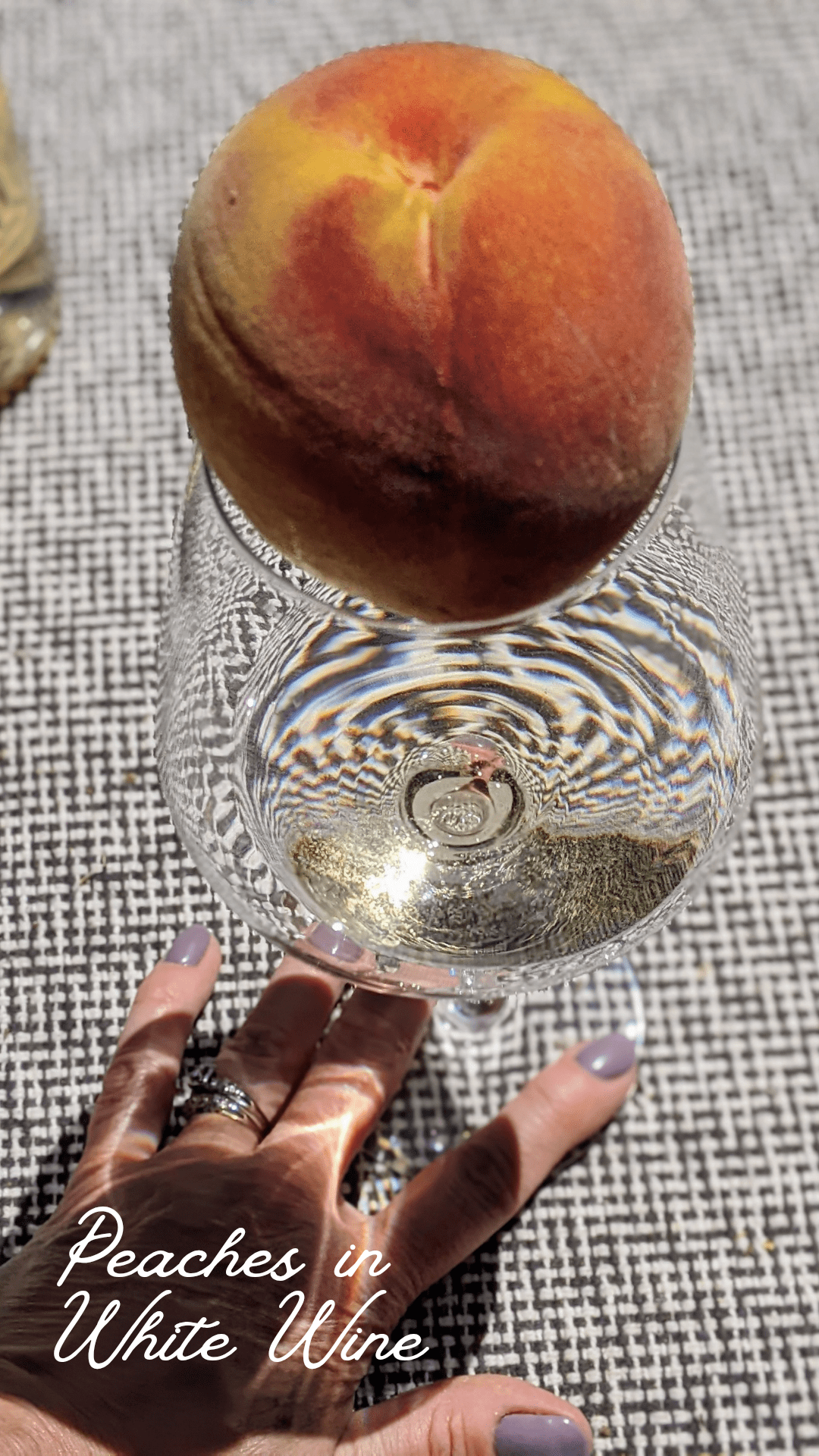

The hegemony still likes sugar, an addictive poison hidden in most processed foods under many different names: “evaporated cane juice, corn syrup, corn sweeteners, high-fructose corn syrup, crystalline fructose, fructose, sucrose, malt, malt syrup, barley malt syrup, barely malt extract, maltose, maltodextrin, dextrose, maple syrup, brown rice syrup, beet juice, muscovato, succanat,” etc. (Deep Nutrition)
By hegemony, I mean of course, the prevailing elite power structure, including The World Health Organization, which stated in 2023 that no amount of alcohol, including wine, is safe, yet the equivalent of 14 sugar cubes a day (gross!) is just fine for adults.
That’s because sugar is present in pretty much everything, from medicine to toothpaste, and it contributes to a very wide swathe of health problems.
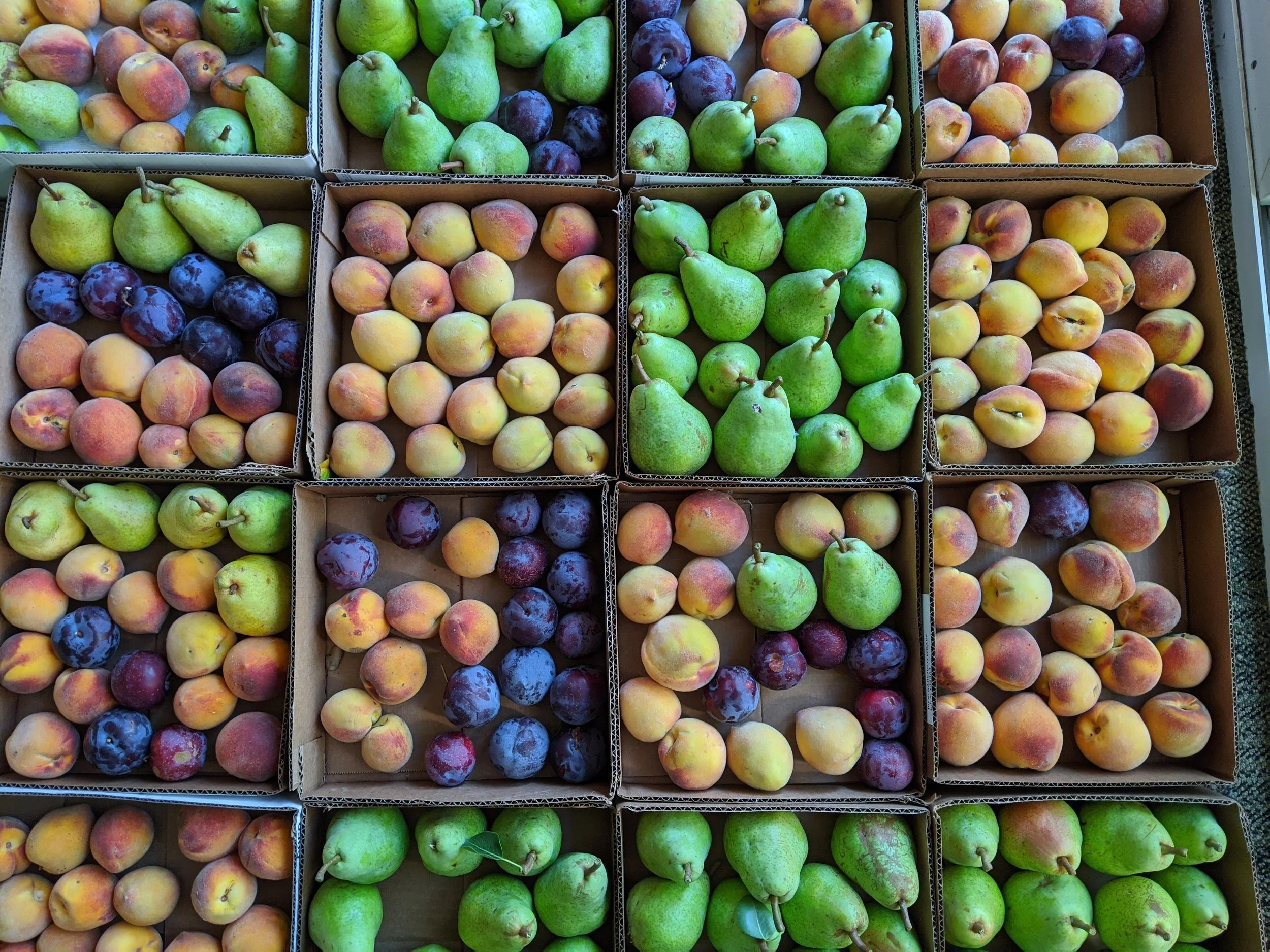
A big harvest from our backyard orchard means many days of canning ahead!
A less-inflammatory dessert uses relatively small amounts of natural sugar in a nutrient-dense payload and may be as simple as a piece of fruit and cheese.
Meanwhile, you know what contains zero sugar? A glass of our wine. Many winemakers enjoy a glass of wine in lieu of dessert. (Dr. Cate adds kombucha to her Chardonnay; I am speechless…)
Kefir Panna Cotta
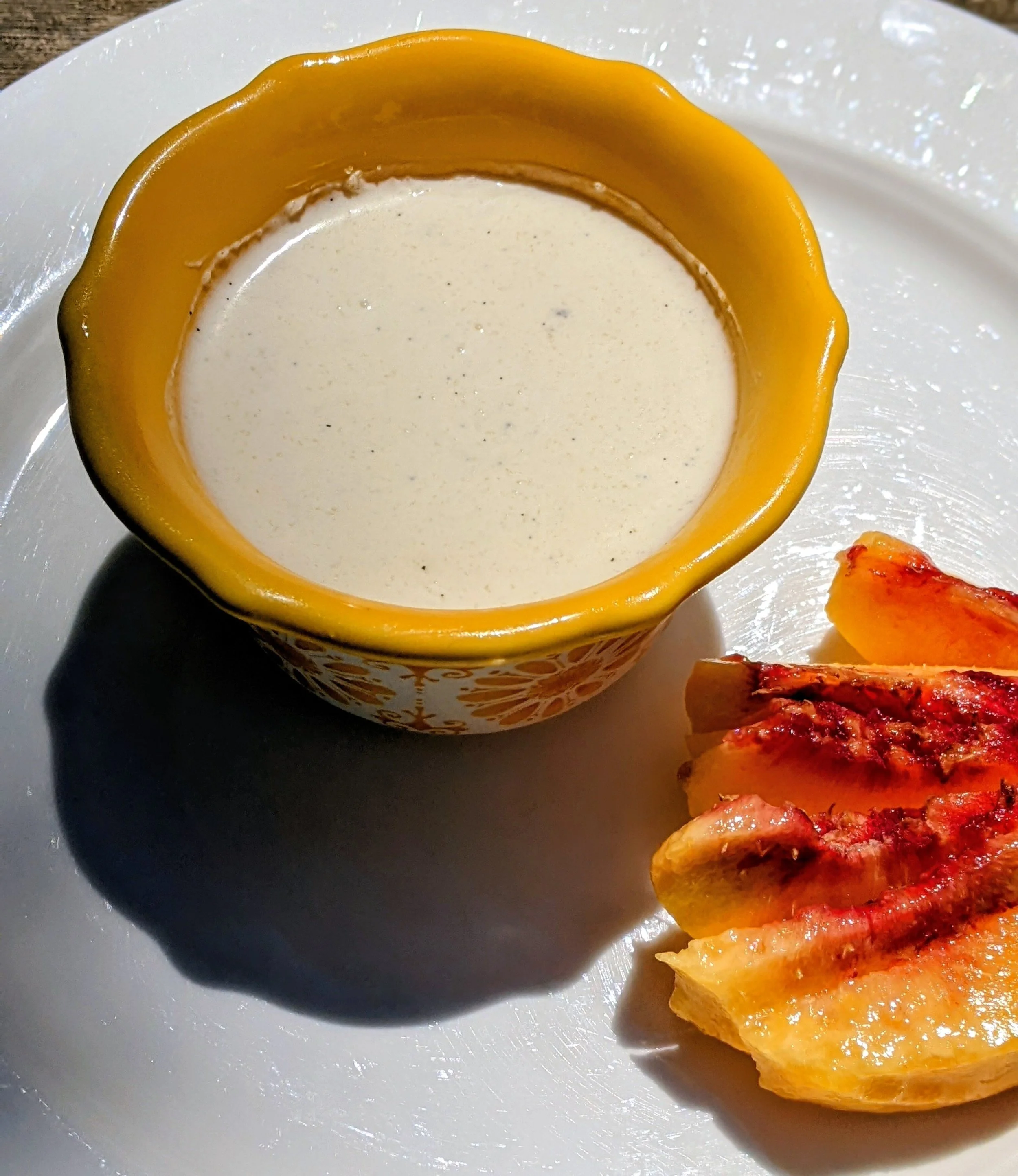
2 ½ tsp. unflavored gelatin (organically raised)
¼ cup milk
1 cup cream
1 cup whole milk kefir
¼ cup sweetener of choice (honey, maple syrup, rapadura sugar)
½ vanilla bean
Pour the milk into a large bowl and sprinkle the gelatin over it to soften. In a saucepan, combine cream, sweetener, and vanilla bean. Stir over medium-low heat until hot and sugar (if used) is dissolved, but don’t bring to a boil. Allow to cool. Scrape vanilla seeds from pod and add to cream. Add cooled cream mixture to gelatin and stir, then add kefir. Pour into 4 ramekins and chill overnight. Serve with fresh fruit. The kefir adds a pleasant tang to the creamy, vanilla panna cotta.

Caramelized Bananas
Serves 4
4 ripe bananas, peeled and sliced in half
2 T. butter
2 T. coconut sugar or maple syrup
½ tsp. vanilla
¼ cup orange juice plus grated zest
Juice of half a lemon plus grated zest
1 T. rum
Fresh mint
¼ cup creme fraiche
Melt butter in cast iron skillet, then add coconut sugar or maple syrup and stir. Add vanilla, juices and zest. Place banana slices in skillet cut side down and heat for about 2 minutes. Transfer bananas to serving dish. Add rum to pan and stir until syrup is thick. Pour sauce over the bananas, garnish with fresh mint and a spoonful of creme fraiche.
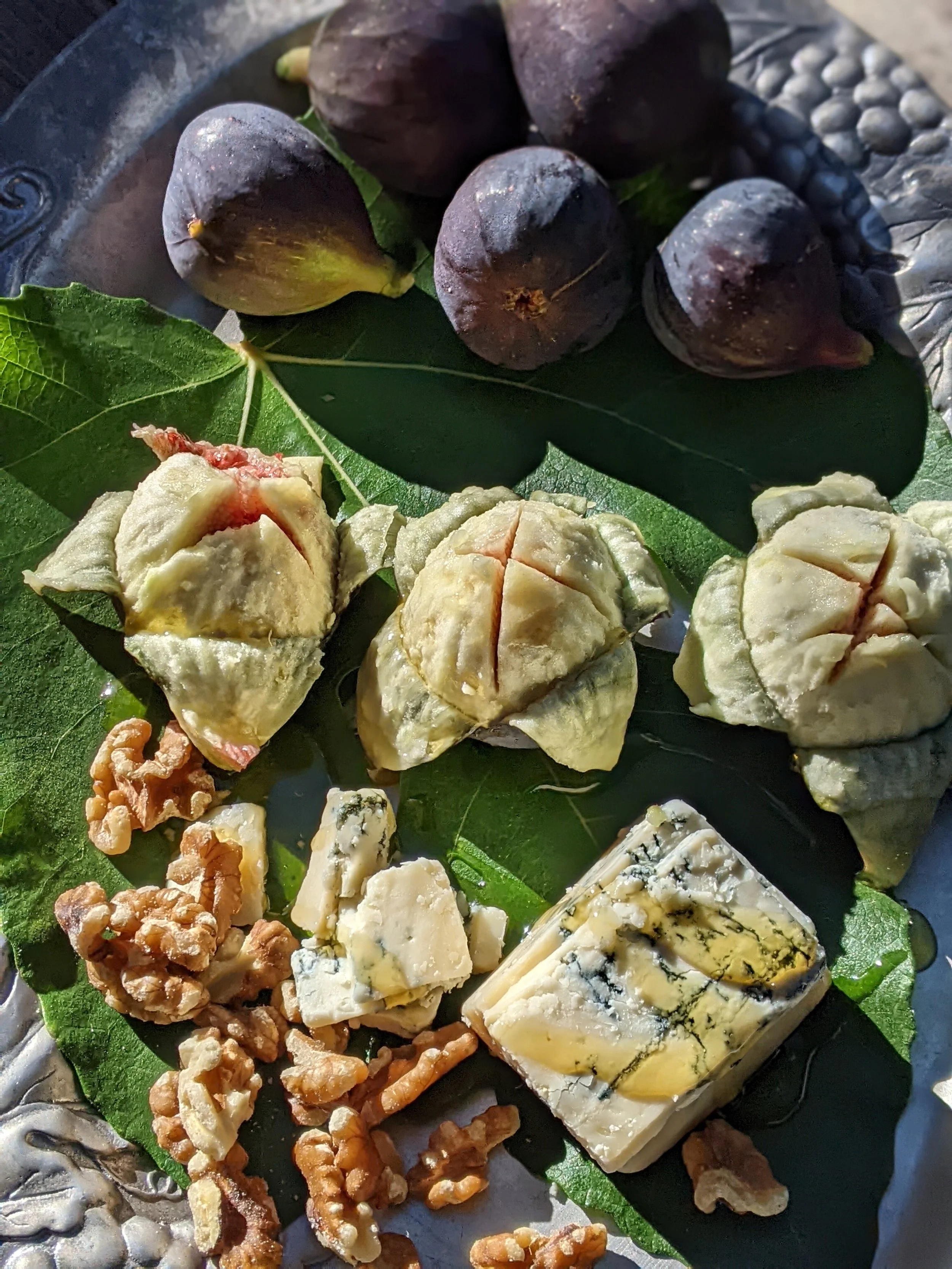
Figs, Gorgonzola, Walnuts, & Honey
Score the skin of the fig near the stem and pull it back to resemble a flower. How I would plate this for individual portions at a dinner party: place two figs on a plate, crumble Gorgonzola over the figs, scatter chopped, toasted walnuts over the figs, and drizzle raw honey over the plate. I would eat this with my hands, picking up a fig, pulling back the skin, and dipping up the cheese, nuts, and honey. But a knife and fork would work, too, for people who don’t like sticky hands.
I don’t think there’s a better dessert that figs, Gorgonzola, nuts, and honey with a small glass of Cabernet Sauvignon. But then, we’re not the normal American family, we’re a winemaking family.
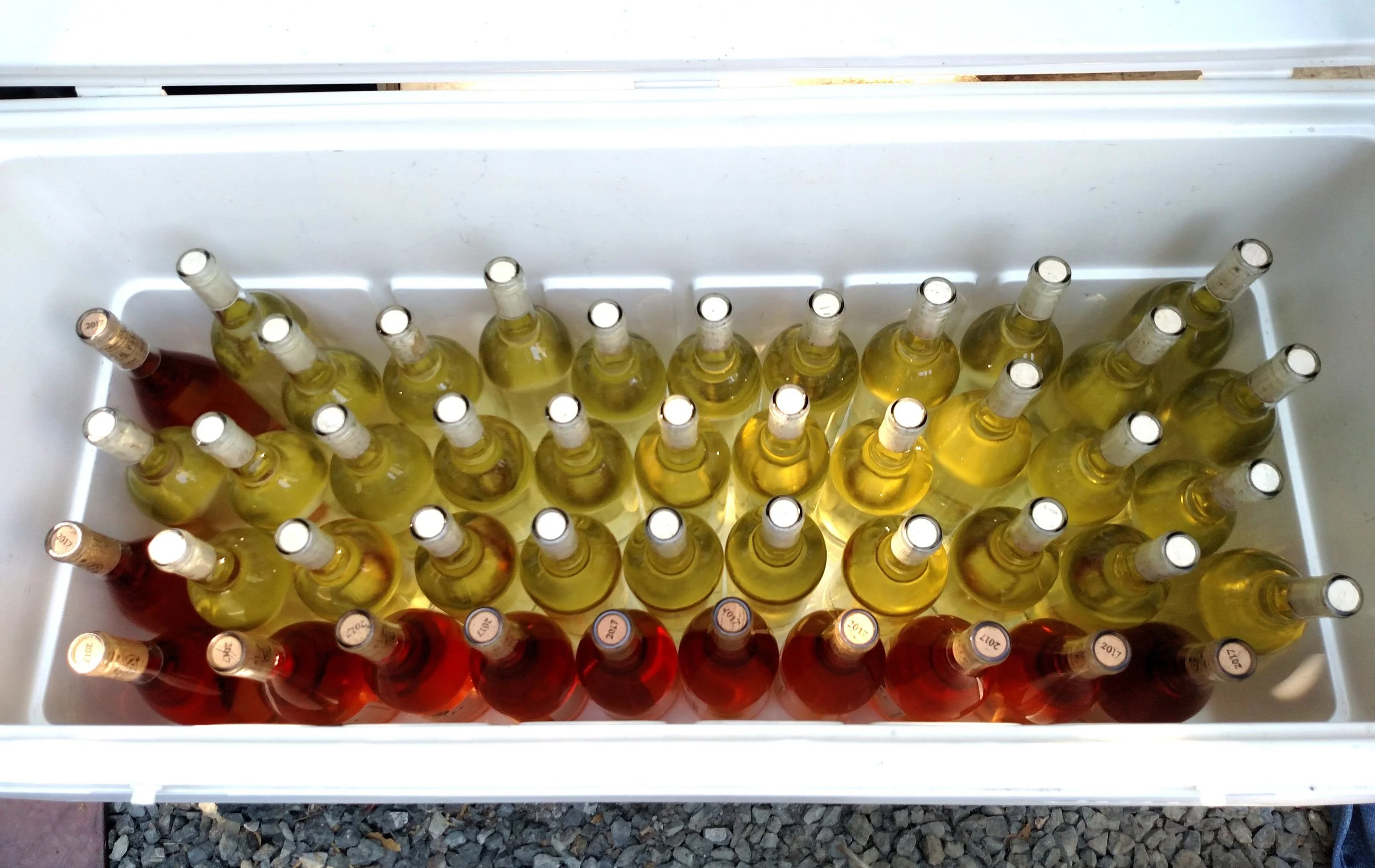
How Prolonged Emotional Stress Causes Inflammation in the Body, How it Nearly Killed Me, and How I’ve Healed Myself
So, we didn’t take the COVID vaccine. Never did, never will. We had COVID early on, recovered from it, and have natural immunity that has held us in good stead. Natural immunity is a real thing, I know because I paid attention in high school biology.
It’s a defensible position (step outside, we’ll talk). Unfortunately, at the height of the pandemic, most people disagreed with me, and the stress caused by their response nearly killed me.
In 2021, it didn’t matter your reasoning—you could be deathly allergic to polyethylene glycol—people were hysterical, and if you didn’t take the shot, you were a bad Girl Scout, and you were off the team.
As it turns out, believing someone to be “bad” or “selfish” for not taking a shot was also a remarkably convenient reason to get rid of them if, say, you didn’t want to pay them a partnership dividend or you wanted to replace them (after they’d done all the heavy lifting of creating a business from scratch) with someone younger and cheaper.
We lost a lot: friends, associates, business partners, career, social fabric, money. It happened in chunks, like watching glaciers calve. When you think things can’t get worse, God gives you more.
One evening, Kristof was driving home from a vineyard meeting, when the driver of a vineyard management truck pulling an out-of-control, fishtailing trailer ran him off the road and into a ditch. His neck was broken in such a way that he wasn’t expected to make it. Miraculously, he not only lived, he had no lingering complications; two weeks after the accident, we went hiking.
We’d made it through forest fires during a pandemic, a near-death accident, the loss of career and social fabric. Stress-wise, believe it or not, I was still OK. Then came the job from hell. You know the one. I thought it was going to be a dream job, too.
My employer was a high-strung celebrity. Her partner was dying of fast-acting cancer. Two colleagues left because of family medical emergencies, and I covered their jobs, as well as working my own, for over a year. I was burning out fast. It took a lot of caffeine to keep going.
For the first time ever, we didn’t plant a garden. I don’t remember ever going outside that summer. The way I drank wine changed; I didn’t sip a glass of wine leisurely with my dinner, I downed a glass to numb exhaustion before I even started cooking, late at night. I started building abdominal fat, fast. My blood pressure was rising.
One day, my employer said, “Why are you being so slow,” about something she wanted done yesterday, and it clicked. Going slow was exactly what I needed. Not cold plunges, not high intensity training.
Chronic stress signals the adrenal glands to produce a constant stream of cortisol, which elevates insulin levels, ultimately triggering inflammation throughout the body.
Your primary care physician won’t ask you if you have a broken heart or if you’ve lost faith in human nature. She may ask you if you eat a lot of cheese.
Emotional stress can cause inflammation in the physical body that manifests with the same metabolic markers as eating onion rings fried in oxidized polyunsaturated fat.
Digging myself out of adrenal exhaustion has not been easy, especially as some chronic life stressors remain, but it has been delicious. I’ve done it the way I’ve always done it: health-promoting food is the best medicine. I have great compassion for others who struggle with stress and are on the quest to regain feelings of well-being and joy.
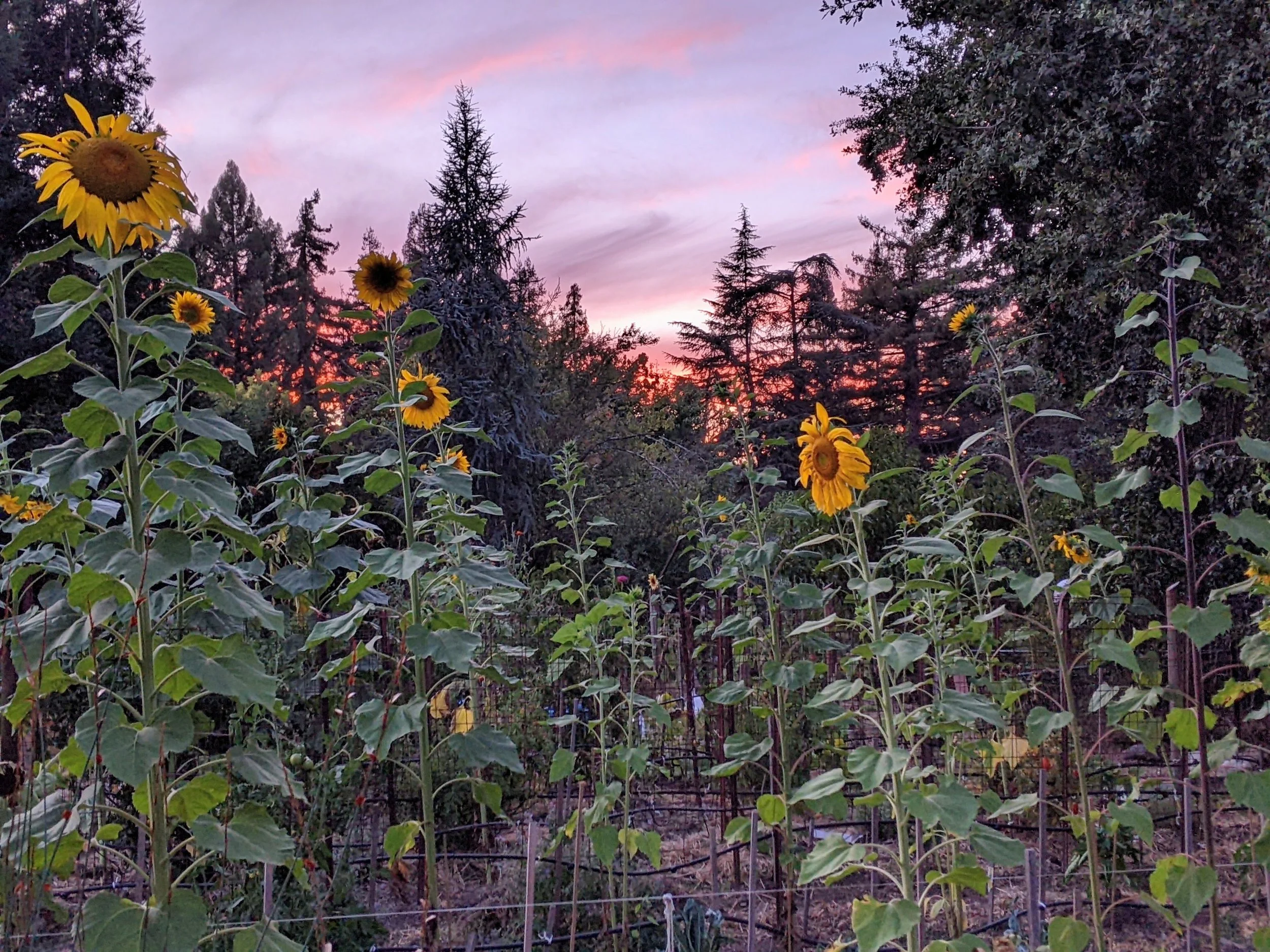

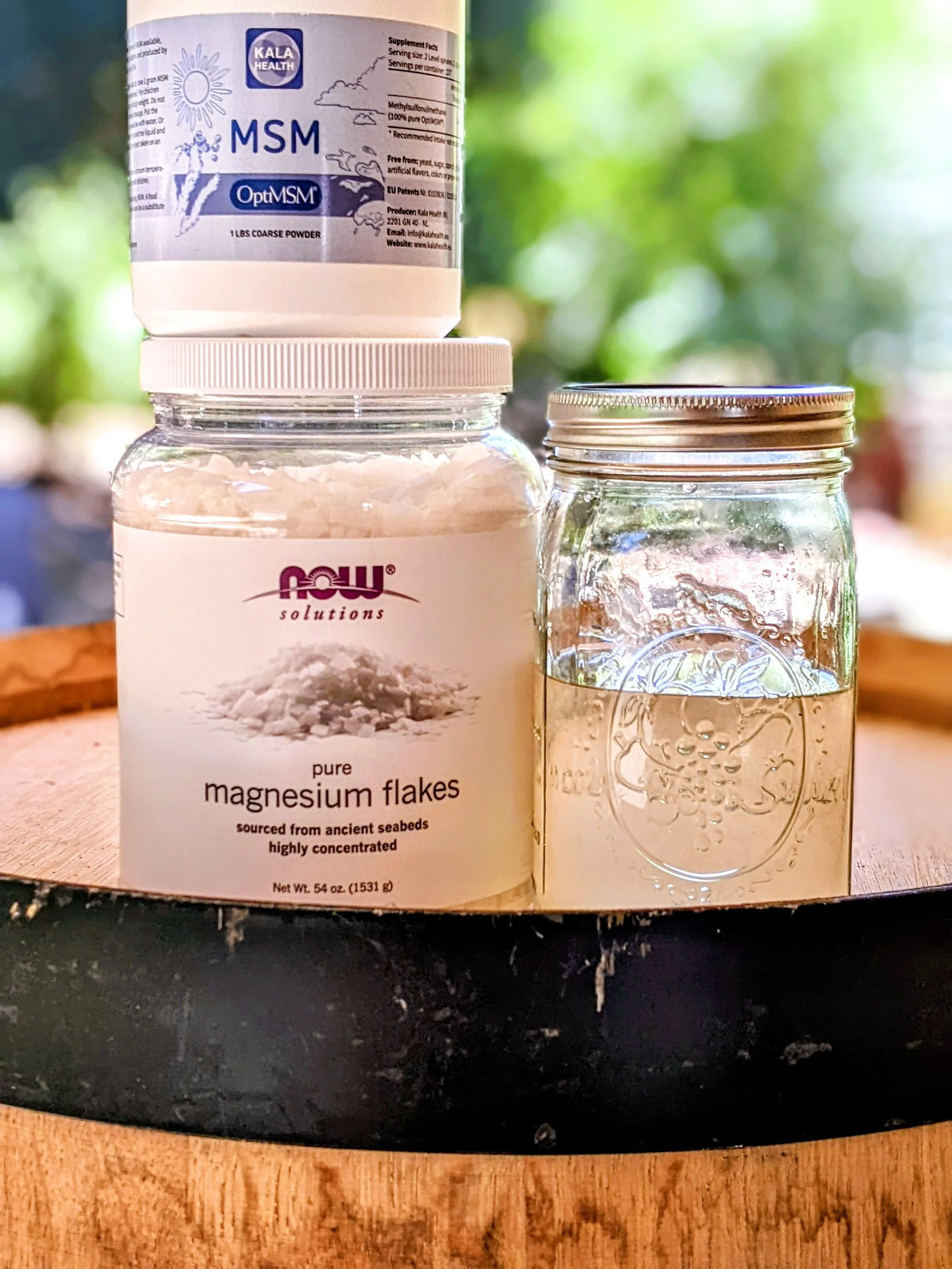
Maintaining heart health with magnesium. Magnesium is vital for a healthy heart and ideal blood pressure, and yet most of us are magnesium deficient. Nutritionist Victor Cozzetto’s transdermal magnesium/MSM protocol is easy, inexpensive, and effective, and the basic idea is that your body is better able to absorb and utilize pure magnesium through the skin than through an oral supplement.
Make magnesium oil by diluting pure, food-grade magnesium chloride crystals in a little distilled water in a glass container and mixing to dissolve. Adding a little MSM (methylsulfonylmethane) is great for its powerful anti-inflammatory effects, since most of us are also sulfur deficient. The diluted magnesium crystals feel slightly oily to the touch. Rubbing a little magnesium oil on the skin after a bath or shower provides absorbable magnesium for the body to help maintain healthy blood pressure. (Obviously, this protocol should not be used in lieu of any prescribed medicine.) You can read more about Cozzetto’s protocol HERE.