
In the Mood for Cabernet
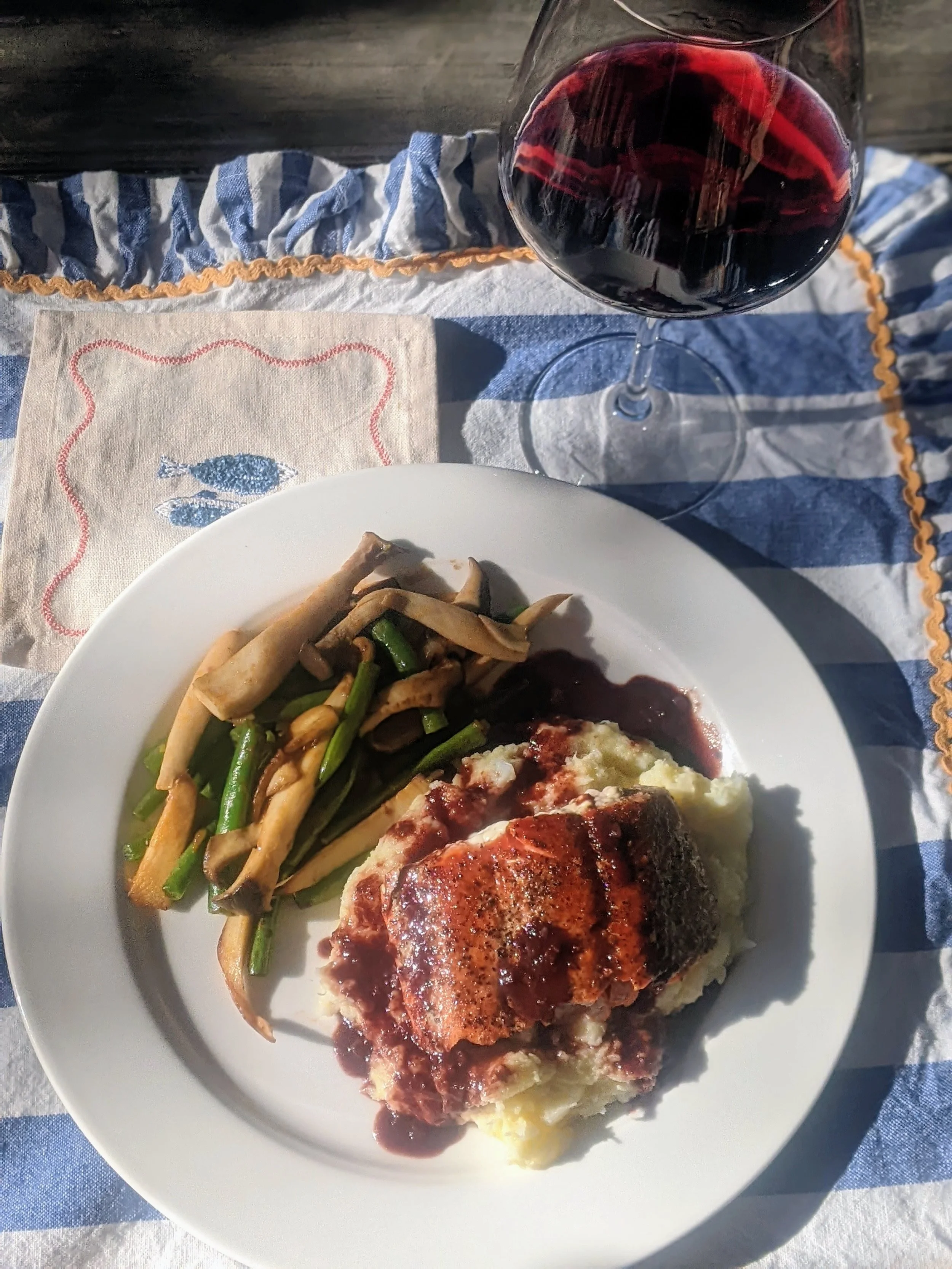
Roasted Salmon on Brandade with Cabernet Sauvignon Sauce
CABERNET EVERYDAY—California cooking with Bordeaux roots. How we eat, as a winemaking family, and how we drink, may be different from the way most Americans do.
For starters, Kristof and I have shared a bottle of wine every night for the past 35 years. I’m puzzled by the trend of categorizing wine and healthy eating as antithetical, since my passion for years has been healthy, garden-to-table cooking and wine pairing based on traditional dietary principles, with a touch of hedonism.
When time constraints allow, I cook slowly, with traditional fats, incorporating bone broth and fermented foods into meals, soaking whole grains to remove phytotoxins, growing our own organic produce, and sourcing hormone and vaccine-free meat. Drinking wine has altered our palates, too; we prefer pure, clean flavors and are not fans of the sugar and artificial flavorings in processed foods.
When it comes to drinking Cabernet Sauvignon, we don’t wait for fancy occasions, and so I’m frustrated by wine-and-food-pairing lists that relegate Cabernet to the steakhouse. Winemakers enjoy a glass of Cab with everyday foods: red beet salad, carrot soup, duck pizza, and salt-and-pepper shrimp.
This blog post is my attempt to share some of the casual, easy, sometimes unexpected flavor combinations that create a harmonious buzz with the Cabernet Sauvignon wines we make and love. And in doing so, I hope to inspire Cabernet lovers to push the boundaries and expect something a little hipper, hotter, fresher, and cooler on the plate to match their wine.
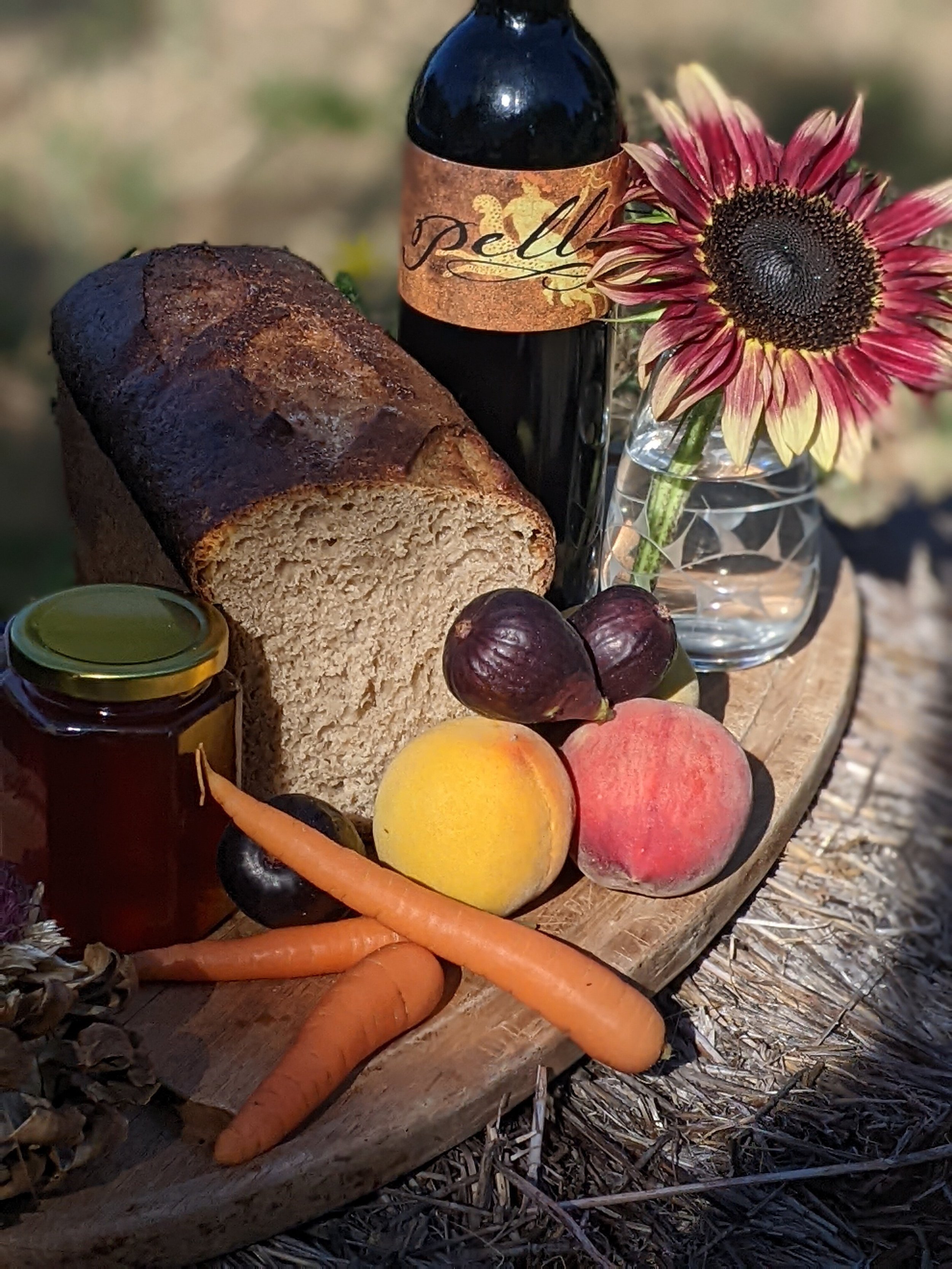
Sunday Supper with Arugula Steak
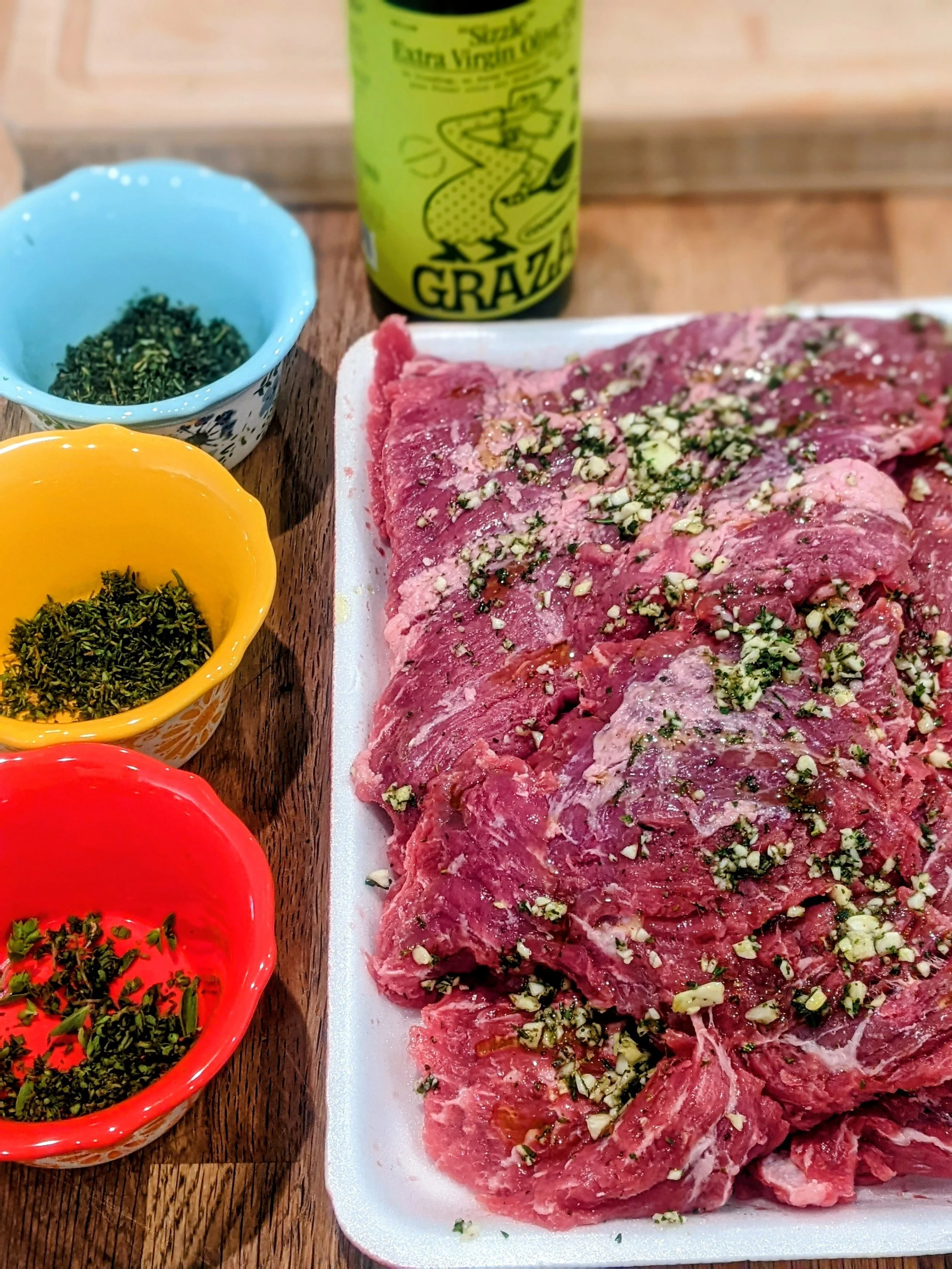
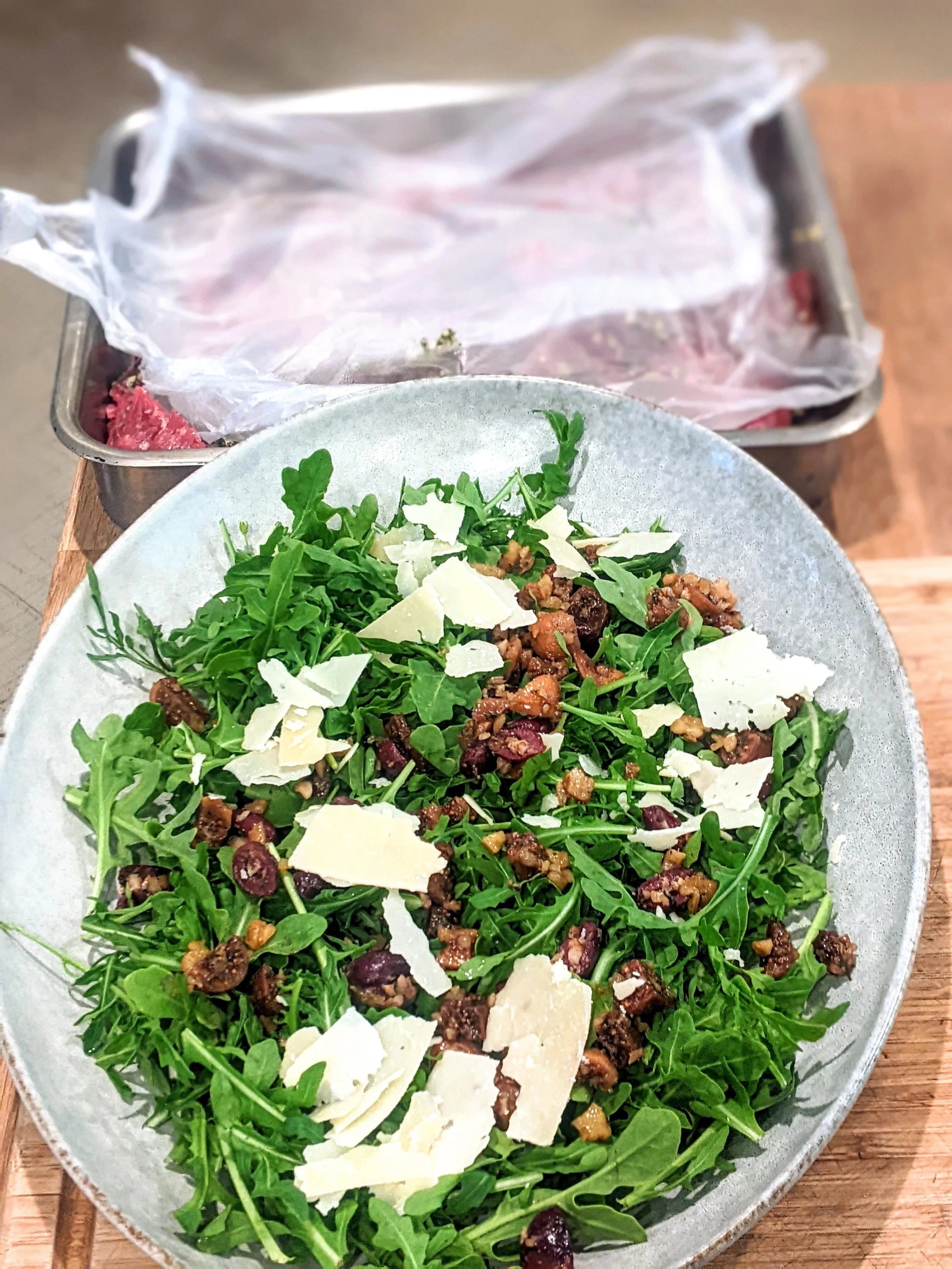
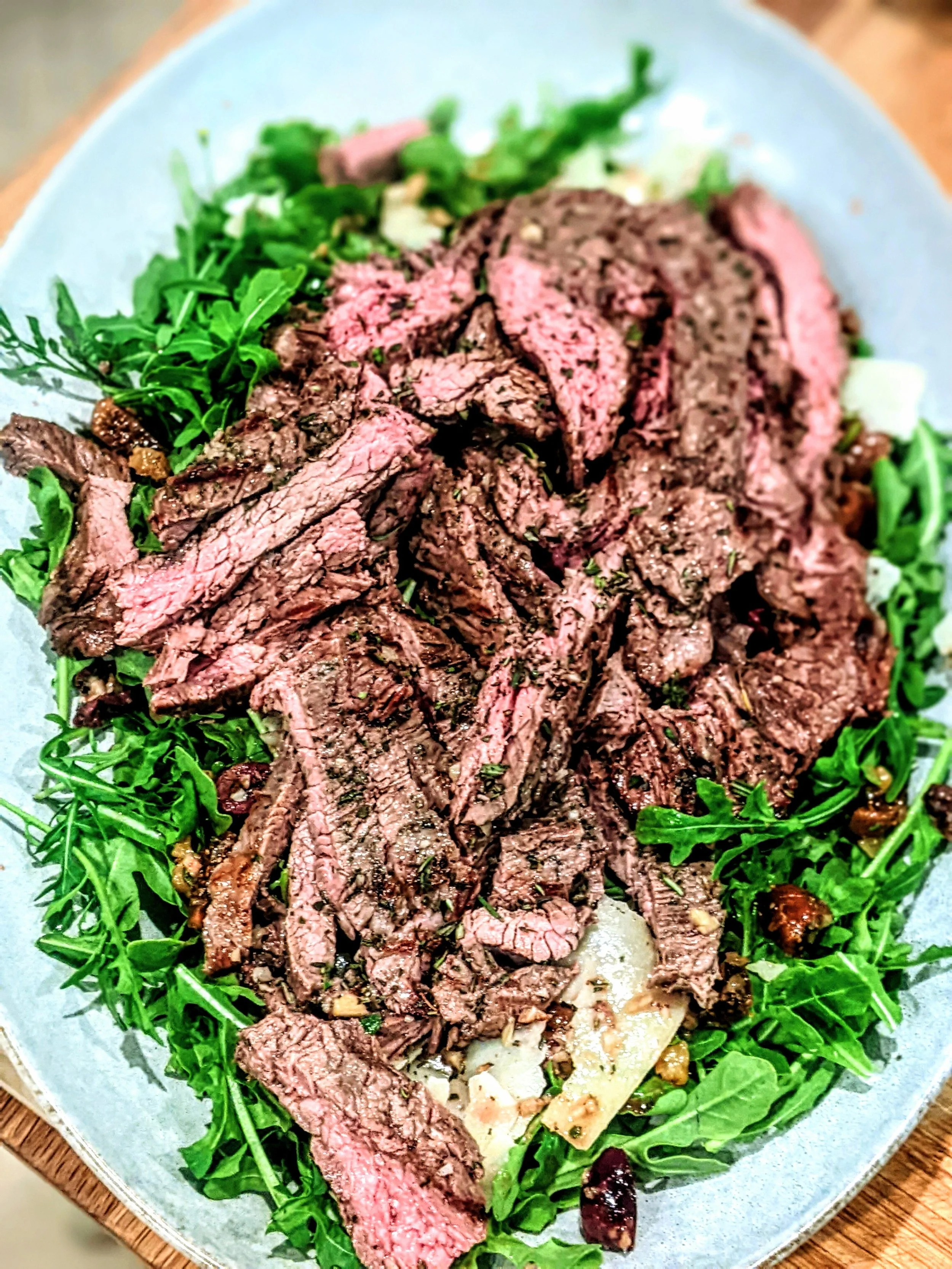
OK, I know, I’m starting the blog post with steak, but this is EASY and improvisational steak that feeds a lot of people, can be served hot or cold, and yields good leftovers. The recipe can be as simple as grilling or searing steak, slicing the hot meat, and nestling it on a bed of arugula that wilts slightly and incorporates the savory juices.
I think of the dish as deconstructed arugula pesto, because the meat is rubbed with chopped, fresh garden herbs, garlic, salt and pepper, and olive oil. I add chopped walnuts and garlic fried in olive oil to the greens, along with parmesan and a spare drizzle of good aceto balsamico (the thick, syrupy kind). Or, you could get even fancier; I had leftover fig, olive, and walnut relish, so I tossed that in with my arugula.
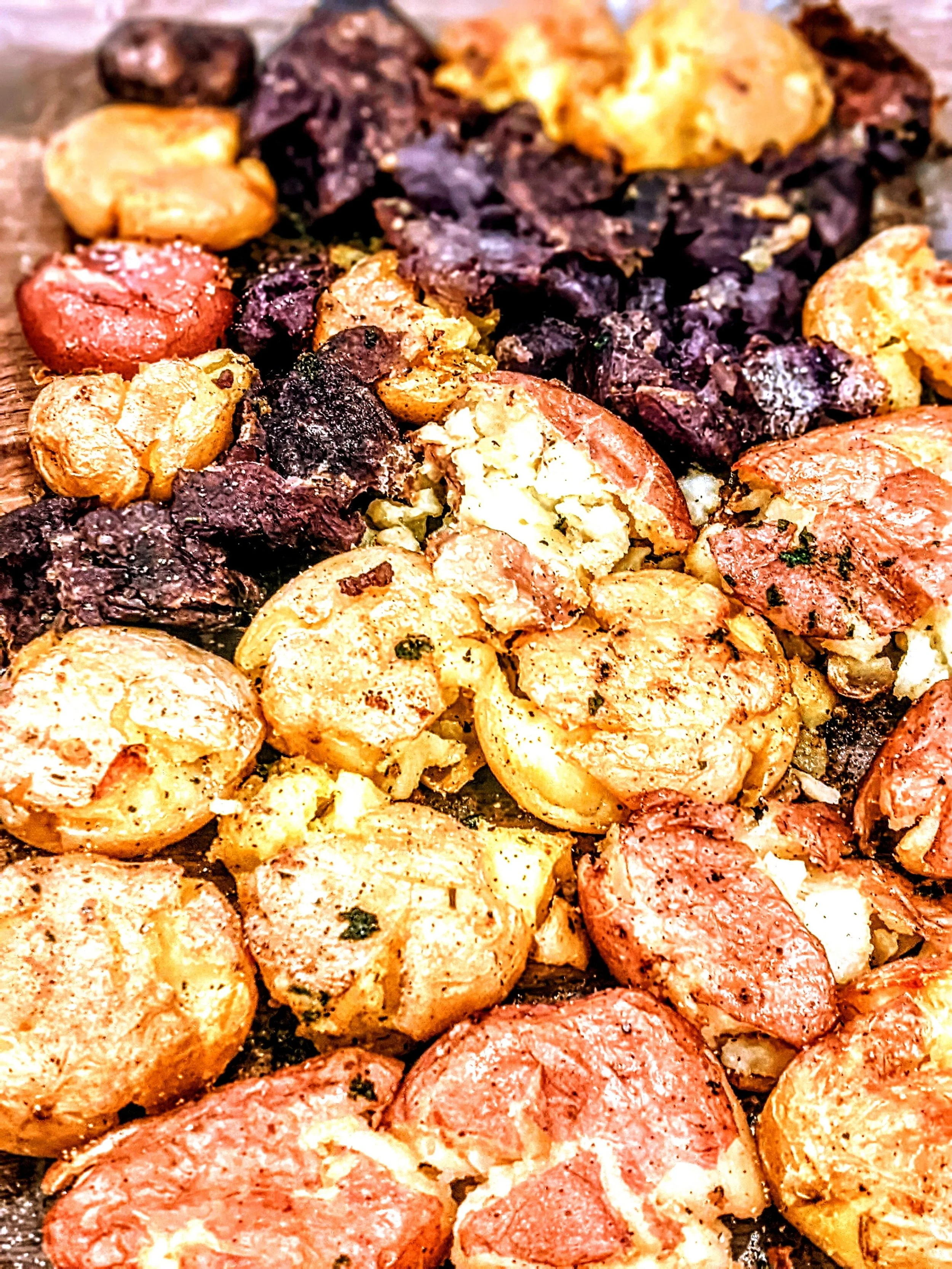
I served the Arugula Steak with smashed, crispy garden potatoes and peppery carrot soup. Why this works: Cabernet Sauvignon pairs well with the flavors of beef, arugula, herbs, walnuts, and garlic; the salt and oil embrace tannins in the wine.
Arugula Steak
Serves 6-8
2 lbs. beef loin flap meat steak
Handful of fresh herbs, such as rosemary, thyme, parsley, oregano, marjoram, sage
¼ cup olive oil
½ cup walnuts, chopped
6 cloves garlic
Shaved Parmesan
Aged aceto balsamico
Chop herbs, 3 cloves garlic, salt, and pepper together finely. Rub herb paste on meat to marinate. Meanwhile, chop remaining garlic and fry in olive oil with walnuts until toasty.
Spread arugula on a platter, then scatter garlic, walnuts, and Parmesan on top. Drizzle with a tiny amount of aged balsamic vinegar, if desired.
Grill or sear meat until rare, then allow to rest. Slice the hot meat and place over the arugula, along with meat juices, and serve with crispy potatoes or grilled bread.
Carrot Soup with Horseradish Crema and Pink Peppercorns
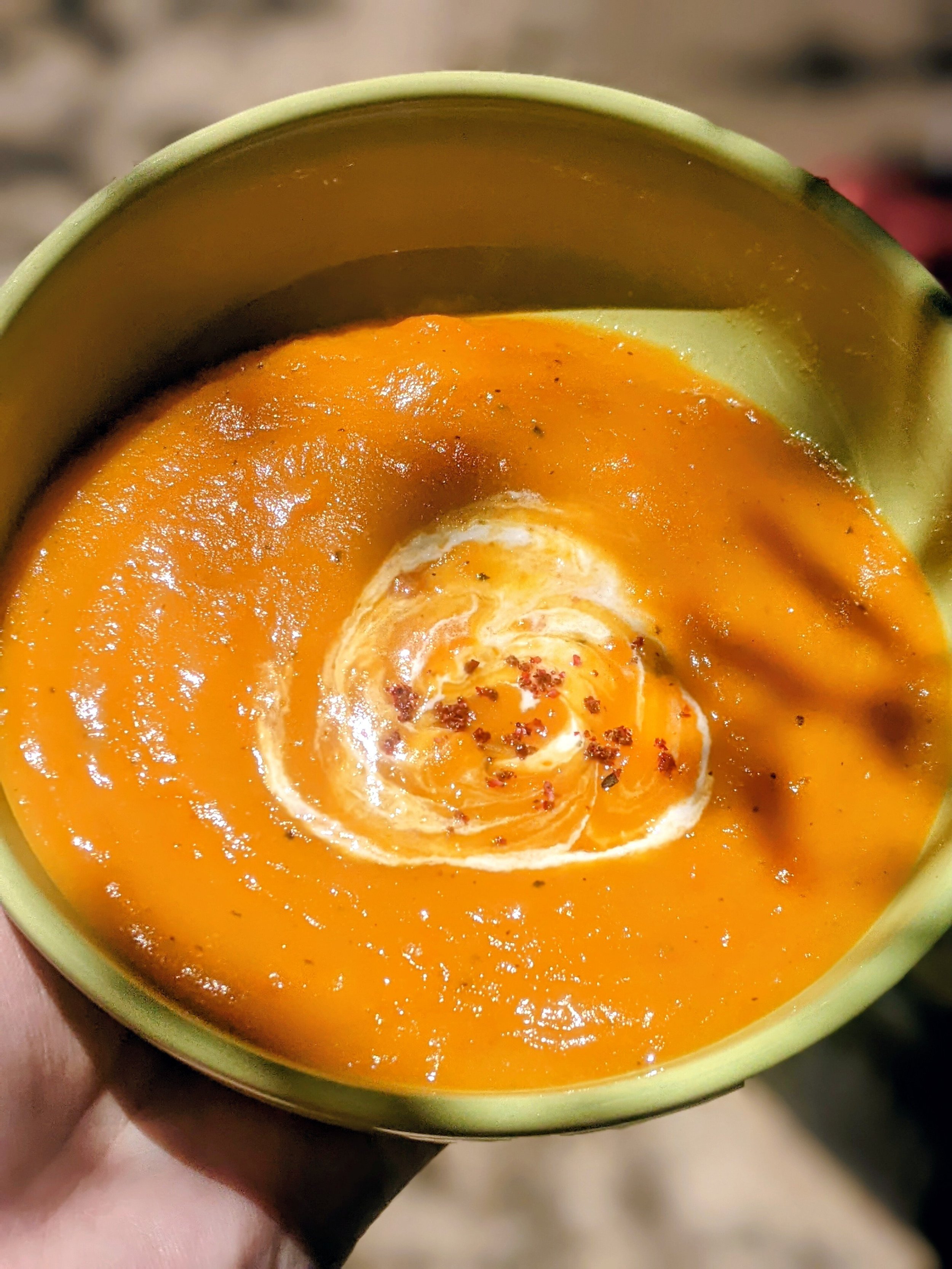
Oddly, my family doesn’t share my enthusiasm for hot, creamy, garden vegetable soups in the summertime. I can’t think why not. Hot soup on a hot day? But hear me out, you can take any scrap or tidbit of overripe garden vegetable or herb, cook it down with chopped onion and a potato, simmer in broth, and enjoy a miracle of economy and nutrition.
Served before our Arugula Steak, just barely warm, Carrot Soup made fans of them. The base recipe is Elizabeth David’s Potage Crecy. I added a good grind of black, white, and pink pepper and topped the soup with horseradish crema and more crushed pink peppercorn. My mother makes a mouthwatering dish of cold, cooked carrots in sour cream and horseradish, topped with crushed pink peppercorns and crushed Saltine crackers, and that’s my inspiration here.
Why this works: Carrots harmonize with either white or red wine, but they love red wine just a little bit more. It would be a mistake to view old-fashioned, unfussy Carrot Soup as a wallflower here because bold Cabernet Sauvignon was captivated by its subtle heat and complexity, which brought out its best behavior.
Serves 4
¾ lb. carrots, scraped and grated
1 large potato, peeled and diced
1 shallot or half an onion, chopped
1 oz. butter
2 cups veal or chicken stock
Fresh garden herbs such as rosemary or thyme, chopped finely
3 T. sour cream
1 tsp. prepared horseradish
Salt, sugar, black, white, and pink peppercorns
In a pot, cook the carrots, onion or shallot, and potato in the butter over low heat for 15 minutes until soft. Add the broth and season with salt and pepper to taste, plus a “scrap of sugar,” as Elizabeth David puts it.
Add a pinch of fresh herbs and a good twist of the white and pink pepper grinders. Cook for 15 minutes, then puree the soup. Serve with a dollop of the sour cream mixed with horseradish and garnish with pink peppercorn.
The soup reminds me of one of the first meals I cooked as a newlywed over three decades ago for visiting distant family members: a roasted red pepper soup, followed by thin, pan-fried turkey cutlets in thyme and caramelized onion, with roasted sweet potatoes.
"This is the way we like to eat,” one of the relatives stated at the end of the meal, “plain and simple.” Well, yes and no, I thought. Preparing the meal had taken much of my day, from washing and prepping produce to roasting the red peppers and making chicken stock.
They asked for my recipes. Later, I realized that they had issued me, not so much a compliment, as a directive. They were intimidated by my mother’s elaborate gourmet dinner parties, and they were letting their preferences be known, that I not spend time and money emulating her.
I’ve since wondered if they ever attempted the recipes I gave them, which would have clarified a few things; home cooking from scratch (as opposed to opening a can), so that the purity and subtlety of ingredients shines through, plain and simple though it may be, takes effort. I think it’s worth it.
Farro Risotto with Caramelized Summer Squash and Crispy Lamb Sausage

For many years, I’ve paired summer squash and zucchini with Sauvignon Blanc in the form of ricotta tarts and pasta primavera, delicious combinations. But according to James Briscione, author of The Flavor Matrix, it’s red wine that really has a thing for squash. I can see that, having also paired grilled and stuffed zucchini with Cabernet Sauvignon to great effect.
Here’s a weeknight meal that’s both satisfyingly hearty and fresh, beautiful with a glass of Cab. Why this works: Cabernet loves the nutty, caramel flavor of farro and the richness of onion, garlic, and squash cooked in olive oil until browned and melty. The acidic sumac and bright, fresh herbs balance richness and also harmonize with with Cabernet’s acidity and herbal flavors.
Serves 4
1 ½ cups farro, ideally soaked overnight in warm water with a teaspoon of lemon juice, whey, or cider vinegar (The soaking breaks down complex proteins and enzyme inhibitors, making nutrients more bioavailable. Soaking also speeds cooking time.)
5 cups stock or bone broth
1 onion, chopped
2 cloves of garlic, chopped
2 medium zucchini or summer squashes, roughly chopped
½ cup olive oil
Salt and pepper to taste
2 tsp. sumac
½ cup grated Parmesan
A handful of fresh herbs such as parsley, sage, and thyme, roughly chopped
1 lb. fresh lamb sausages (or try chicken apple), cut in chunks
Cook the farro in salted stock for about 20 minutes or until soft and chewy, and drain, saving any extra broth to use as needed. In another pan, slowly, patiently cook down the aromatic vegetables and squash in the olive oil over medium-low heat until most of the liquid is gone, and the vegetables are melty and caramelized.
Season with salt and pepper. Combine farro, vegetables, sumac, and Parmesan, plus any reserved stock if needed. Add a little oil to a hot cast iron pan and sear the sausage until the exterior is crispy. Take the pan off the heat, cover, and let it sit a moment until the interior is cooked through. Top the farro with the crispy sausage and a handful of fresh herbs.
“Larousse Gastronomique identifies carrot as a partner for sweet marjoram, Origanum majorana. Fresh marjoram has a very similar, warm-wood and spice fragrance to fresh oregano, but is weaker in flavor. Treat the leaves as you would a soft herb and add them at the end of cooking.”
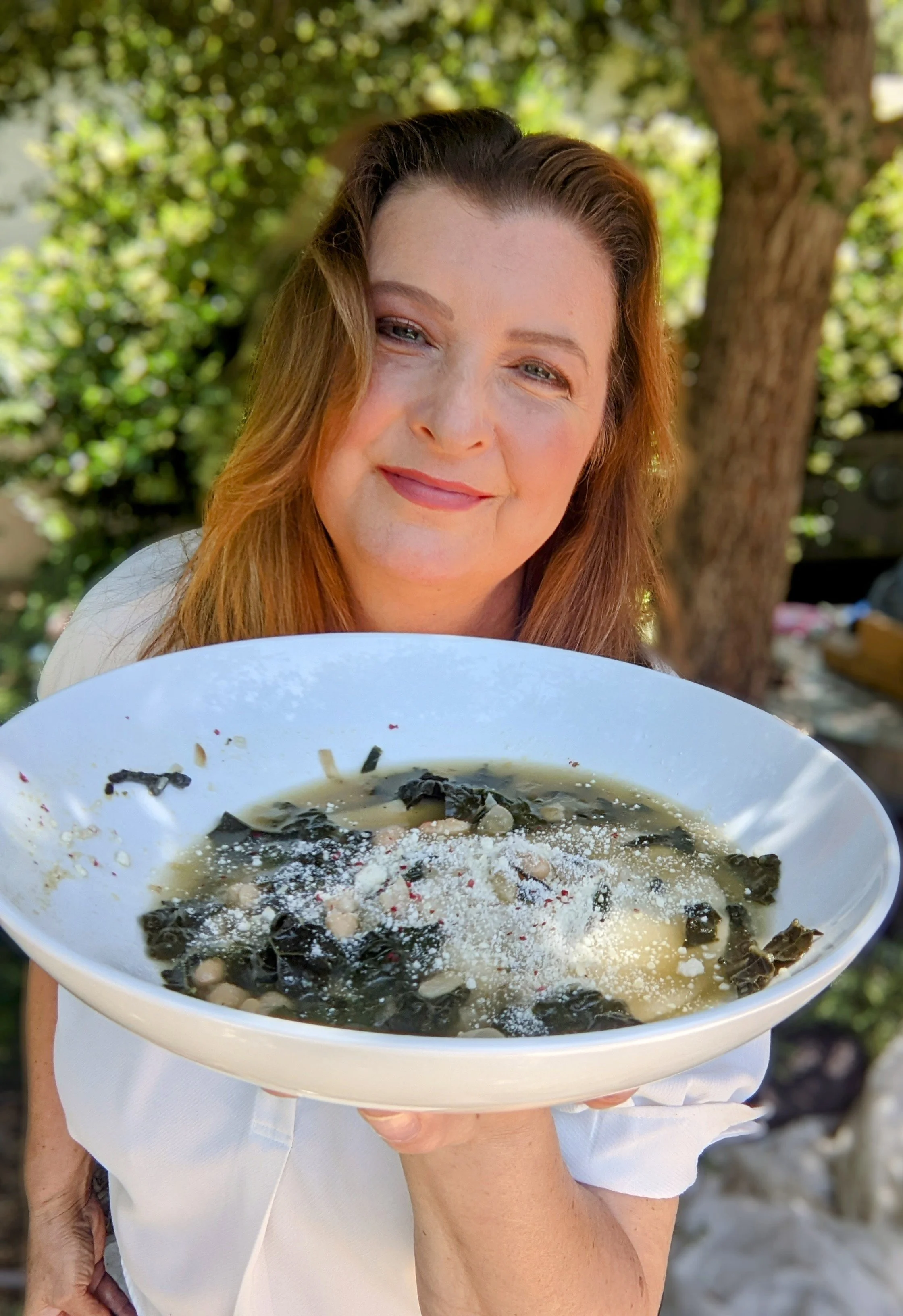
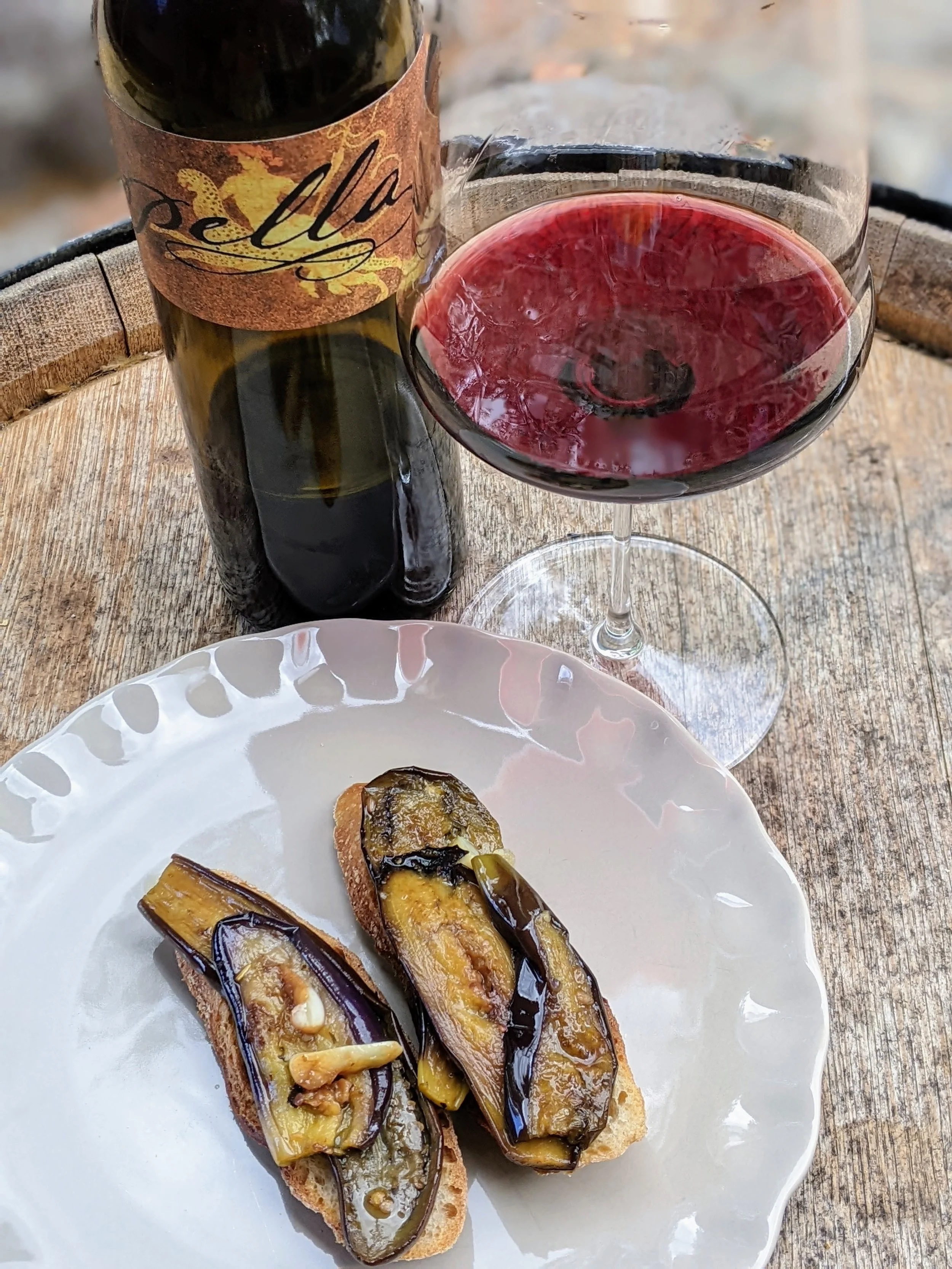
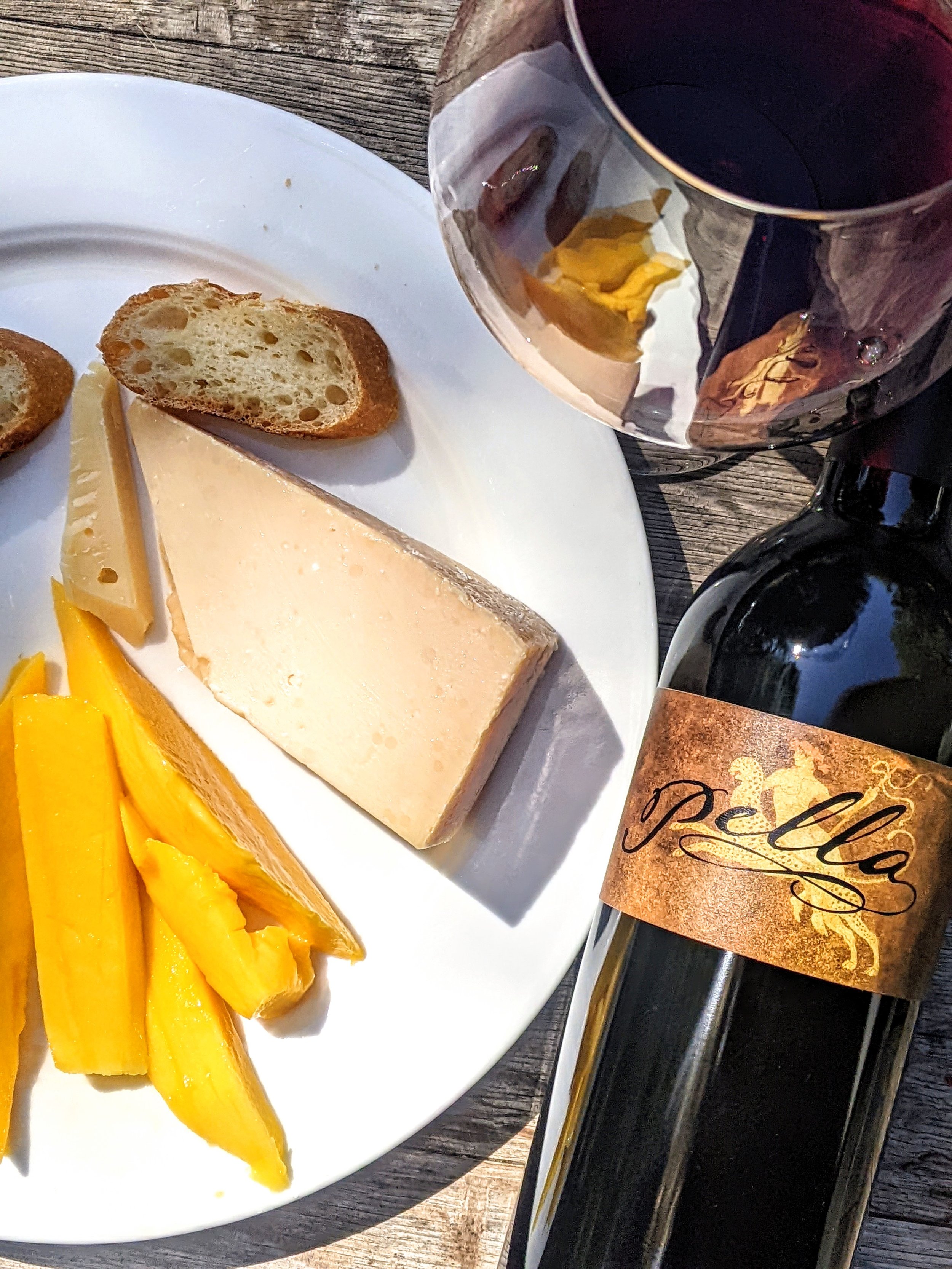
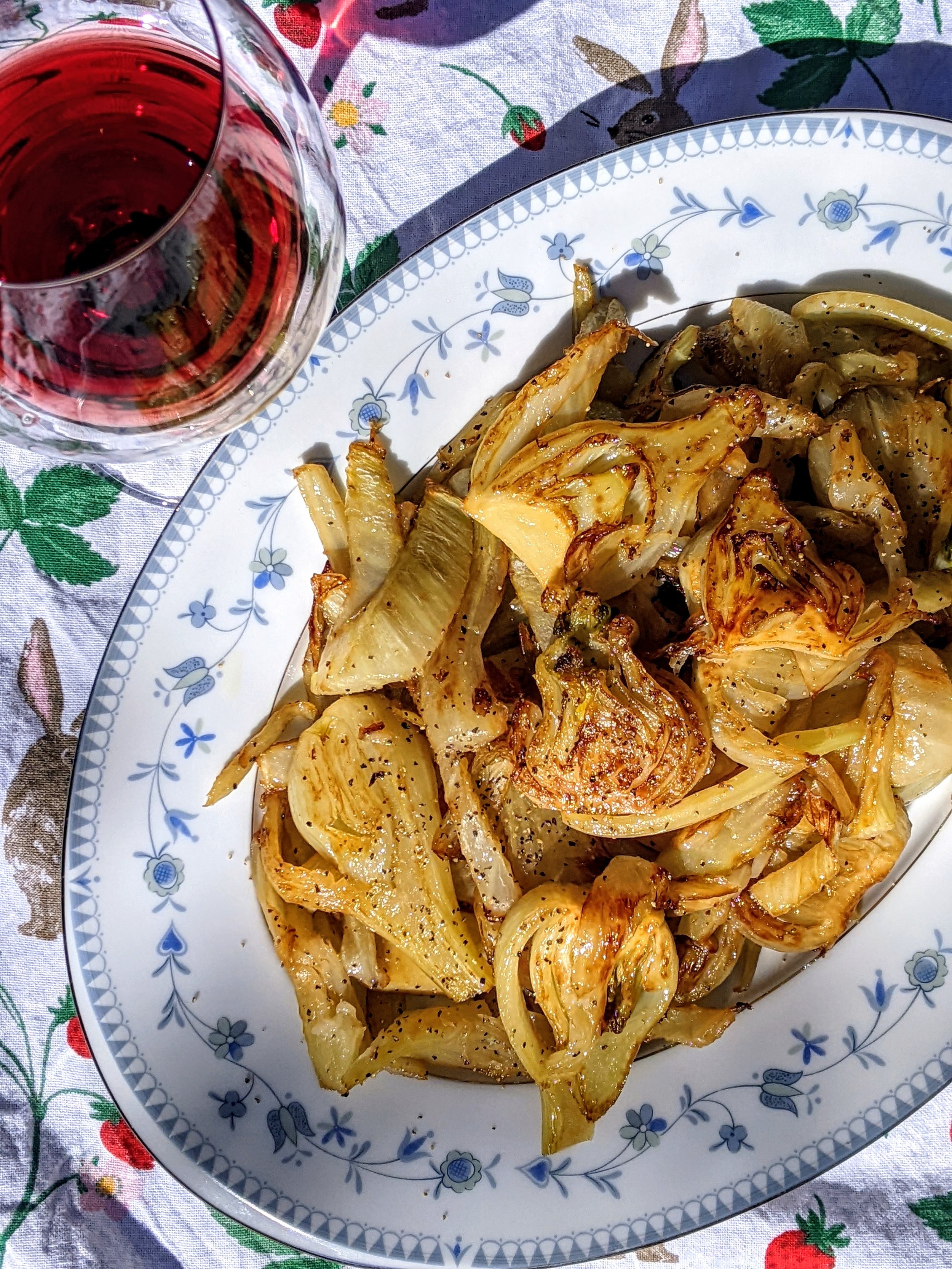
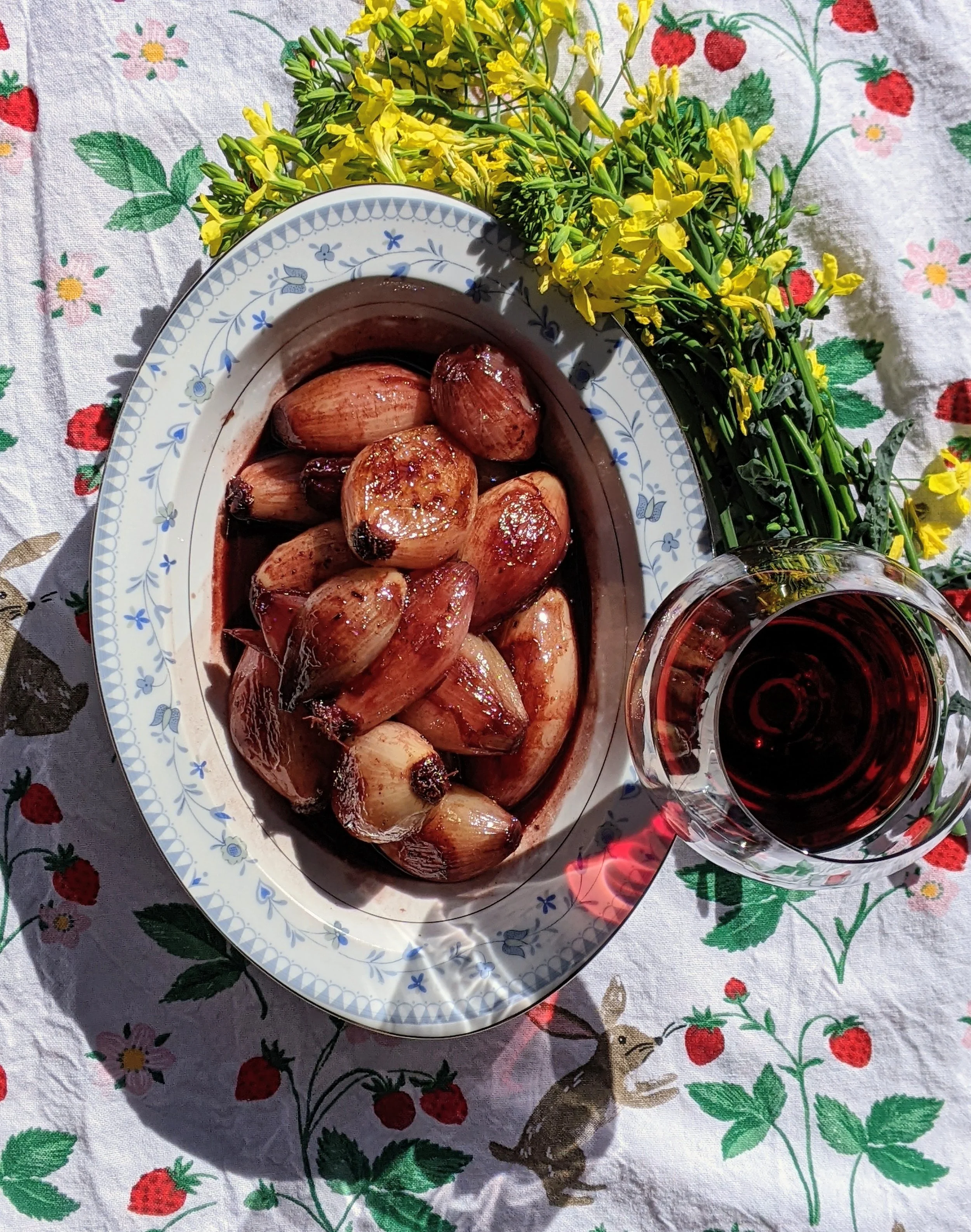
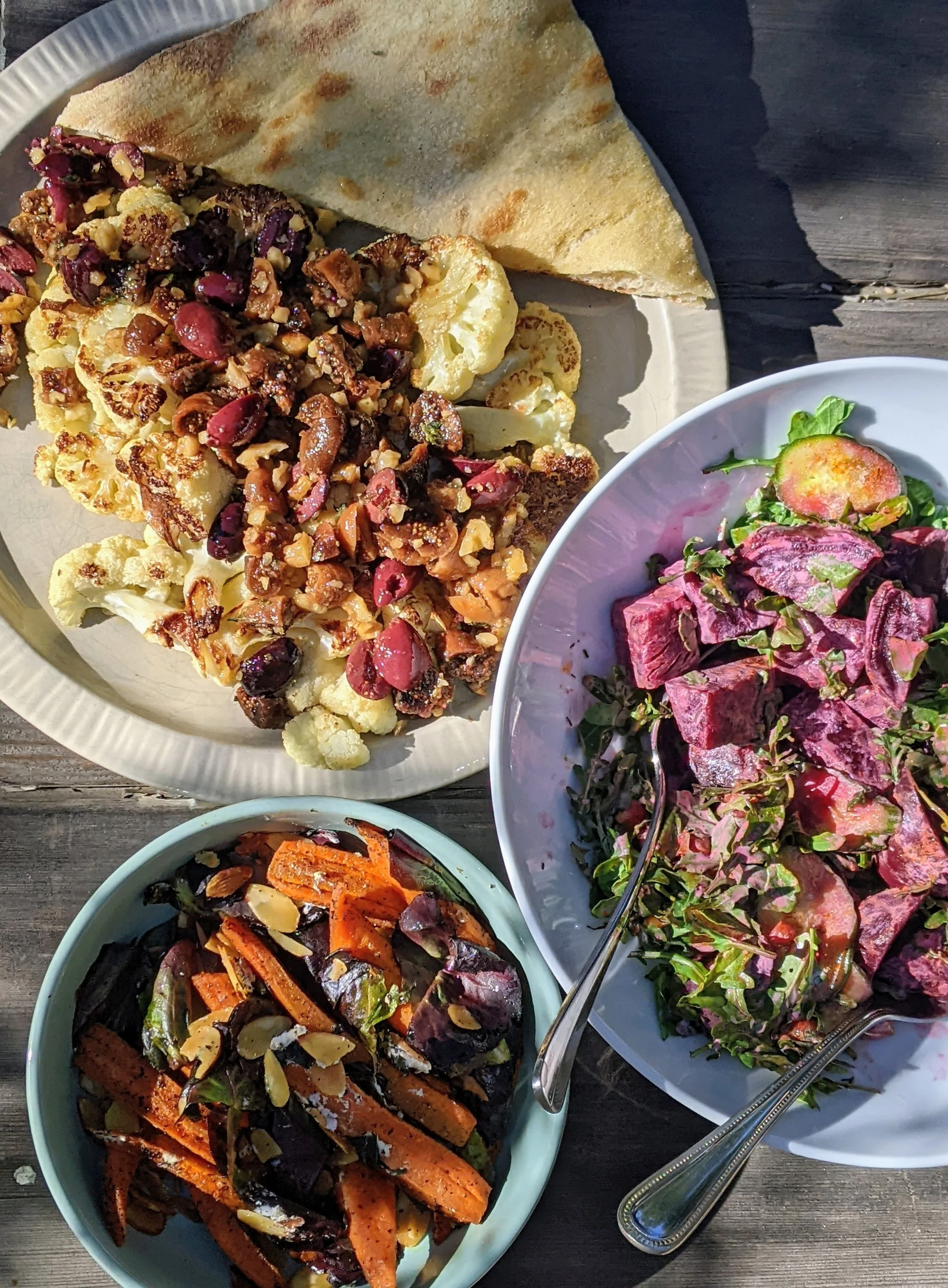
Though we tend to focus on pairing with red meat, Cabernet Sauvignon pairs beautifully with fruit and vegetables. Pictured here: kale soup, marinated eggplant crostini, fresh mango and Cheddar on a cheese board, caramelized fennel, shallots braised in red wine, and a trio of salads (seared cauliflower with fig/walnut/black olive relish; roasted beets in creme fraiche, roasted carrots with five spice powder).
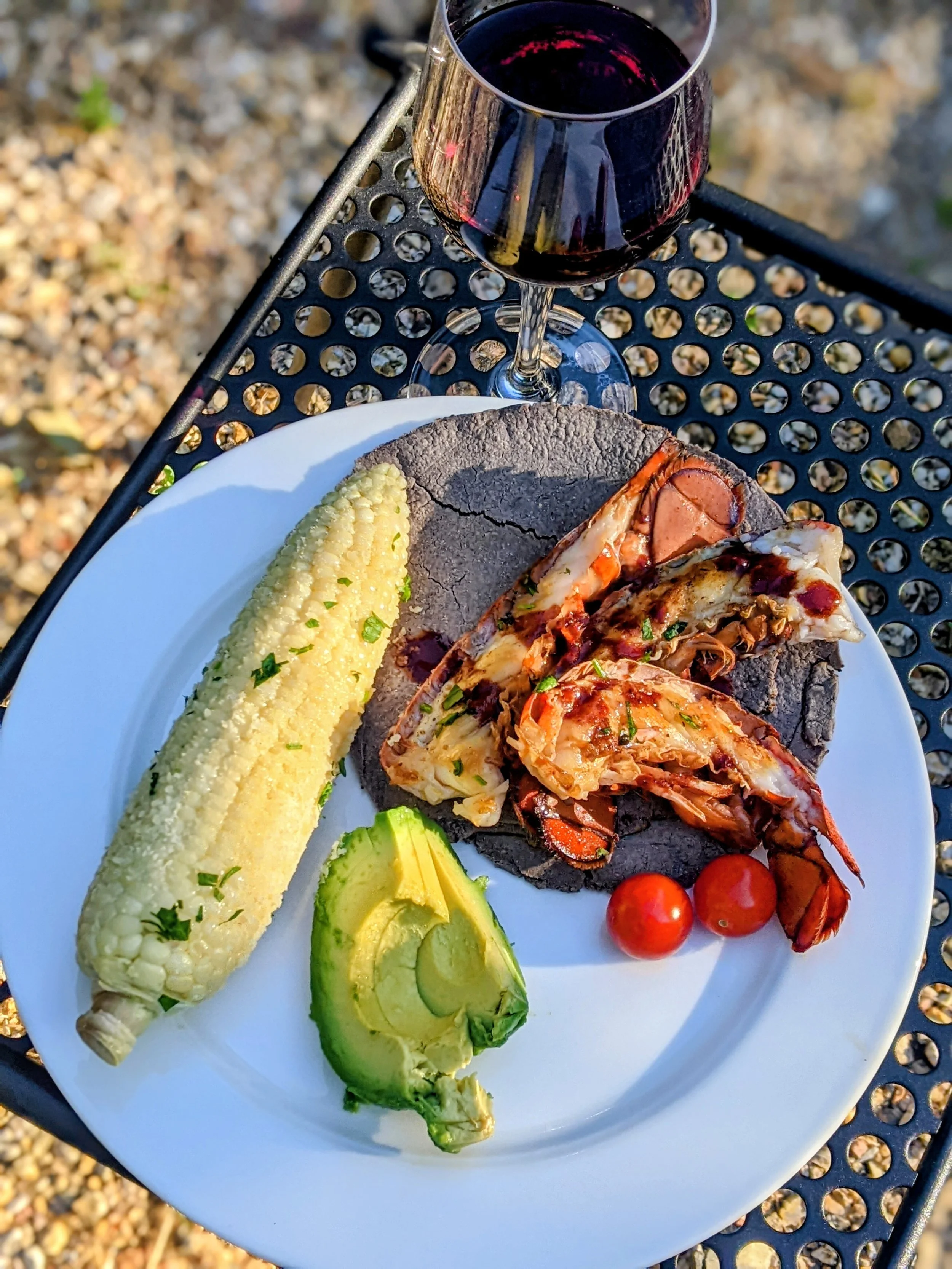
Napa Valley Lobster Tails
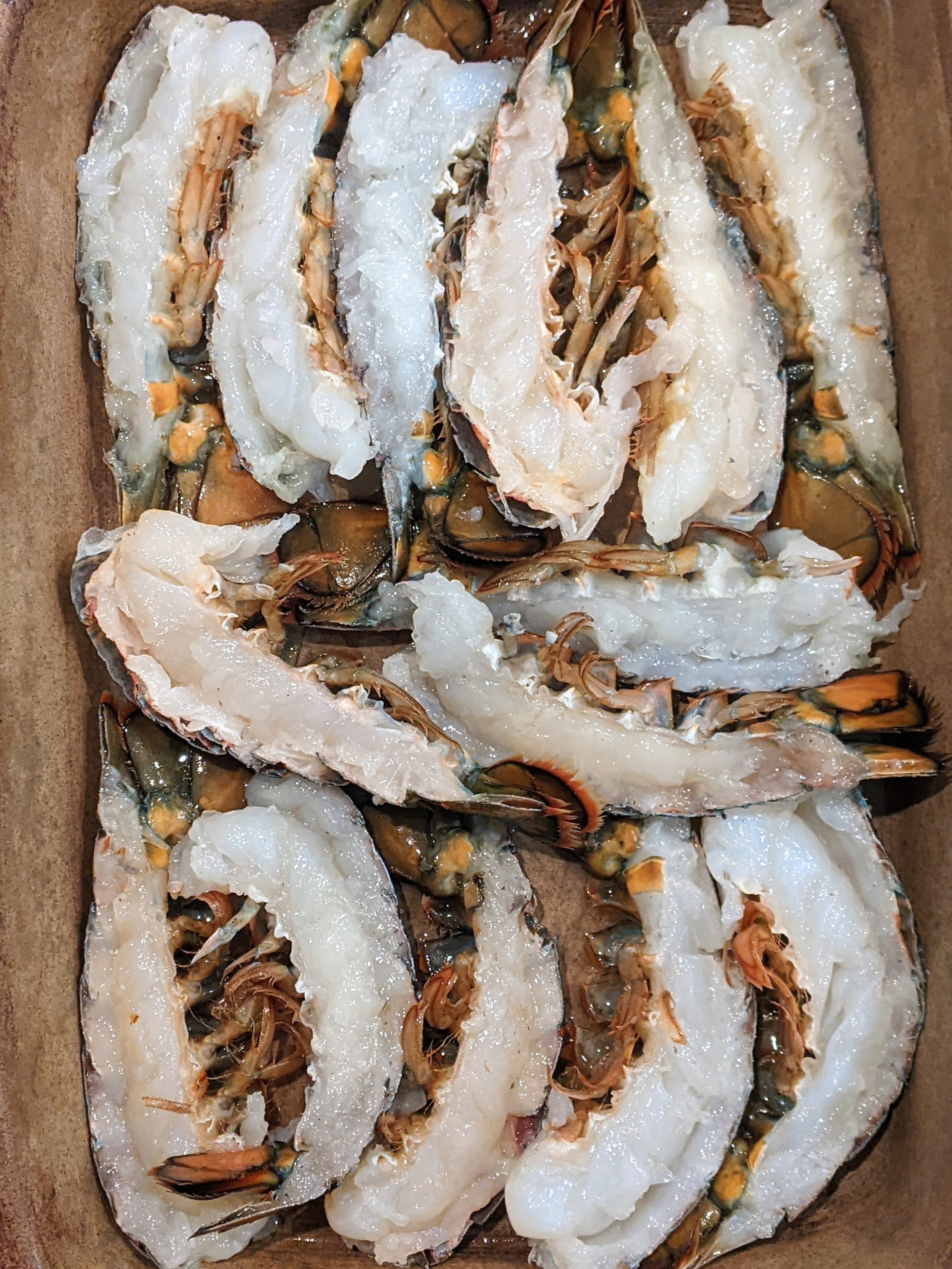
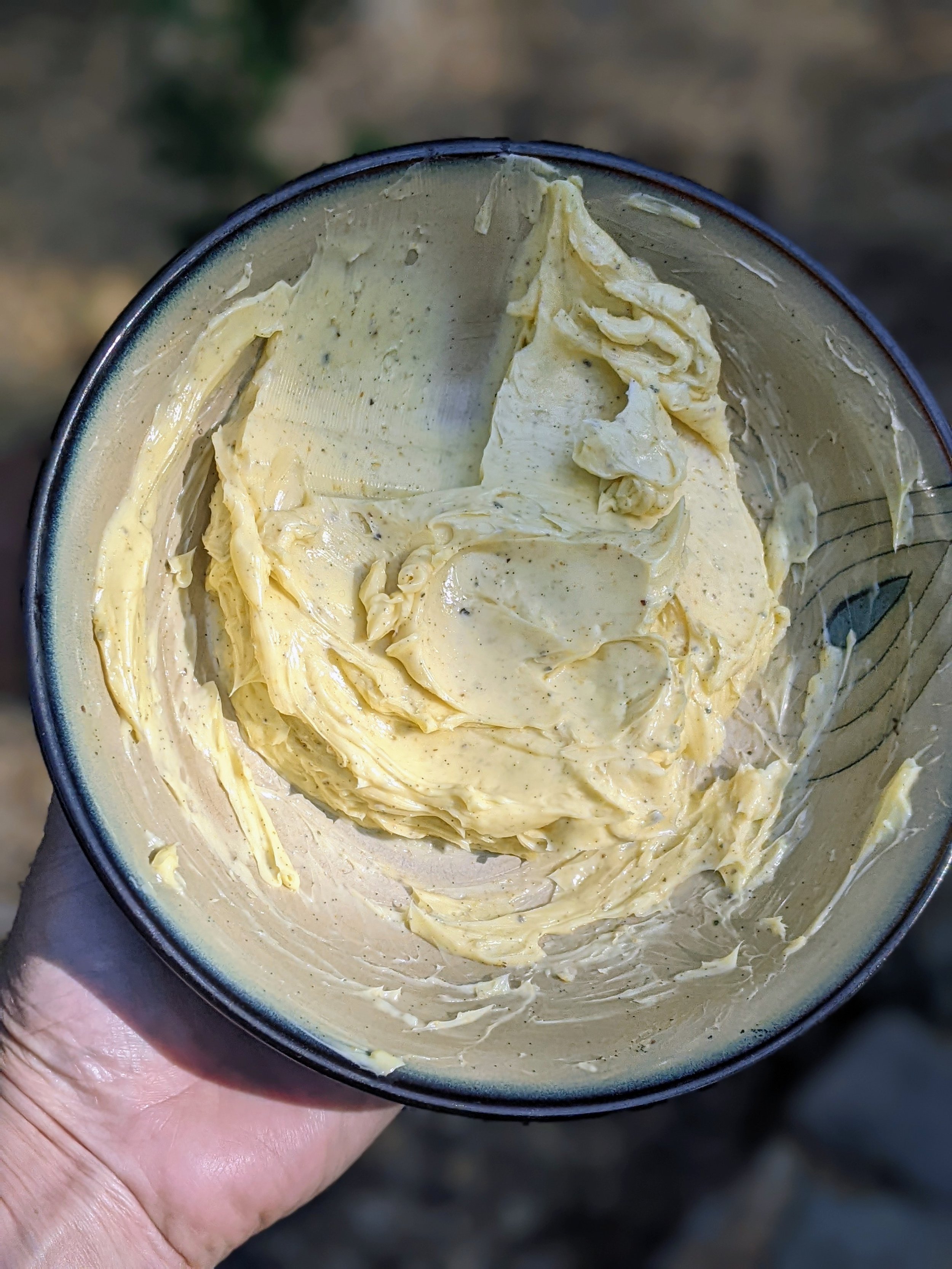
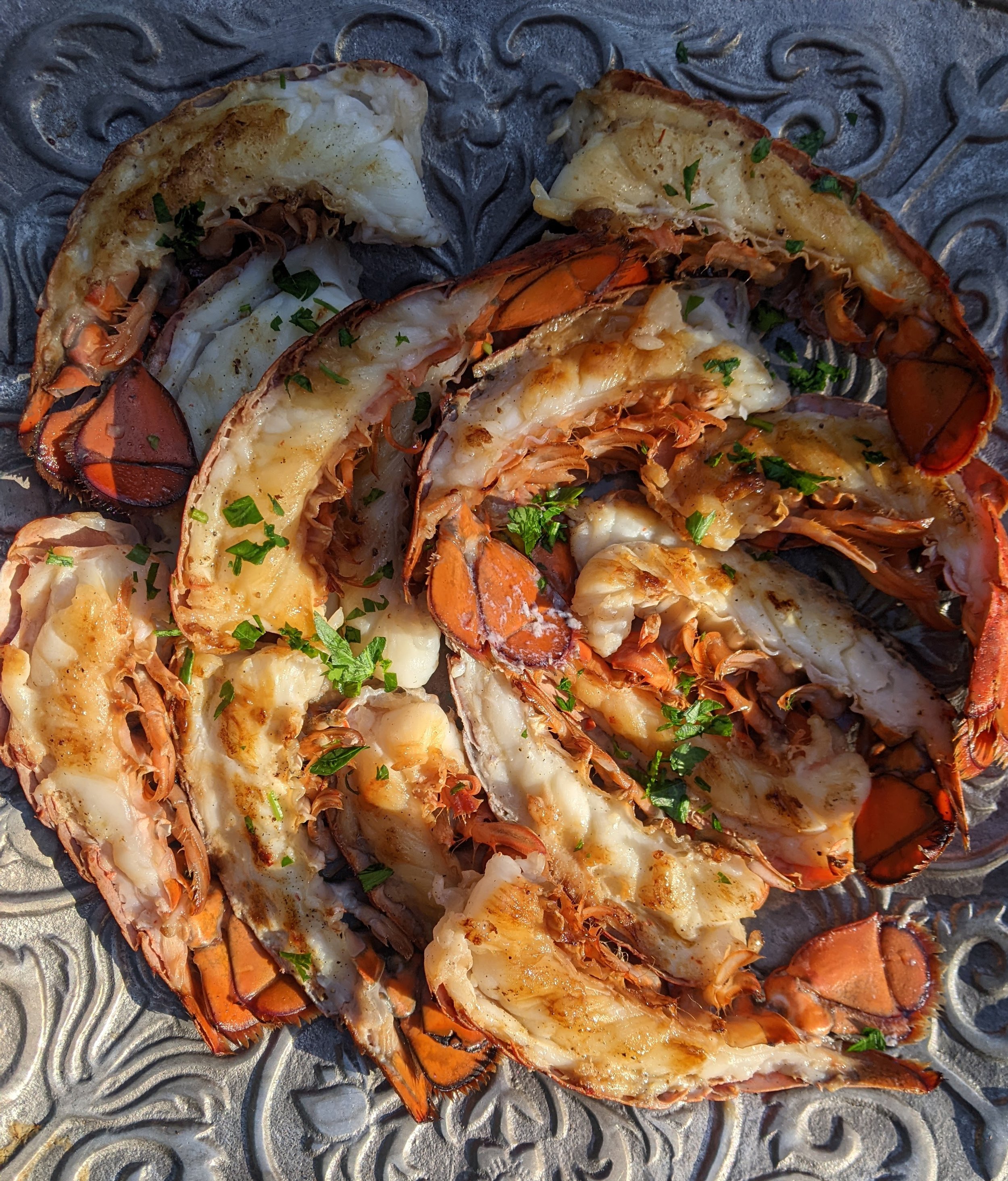
Why this works: A lobster recipe perfect with Cabernet Sauvignon. Lobster tails are cut in half with kitchen shears, gently poached with stock or white wine and vanilla butter, then flash-grilled and finished with a drizzle of Cabernet reduction sauce. Savory vanilla butter (my inspiration here comes from The Flavor Matrix) deepens the smoky flavors of grilled seafood and corn on the cob and pairs well with the flavors in Cabernet.
Serves 4
Savory Vanilla Bean Compound Butter
¼ lb. (1 stick) butter, softened
½ a vanilla bean, seeds scraped out, bean saved for another use
¼ tsp. black pepper
1 T. finely chopped parsley
Lobster Tails
6 lobster tails, cut in half with kitchen shears
¼ cup chicken stock or white wine
Cabernet Sauvignon Reduction
1 cup chicken stock
1 cup Cabernet Sauvignon
1 shallot, chopped
1 T. butter
Grilled Corn
4 ears of corn
½ cup grated Parmesan
Make the compound butter by combining the butter, vanilla seeds, pepper, and parsley.
Make Cabernet reduction sauce by cooking the shallot in butter until softened, then adding stock and wine. Simmer and reduce until a thick, glistening syrup.
Preheat oven to 350 degrees F. Prepare the lobster tails by cutting the tails in half with kitchen shears. Smear butter on each tail and nestle the tails in a baking pan side by side. Pour in a little wine or chicken stock, taking care that the liquid does not submerge the lobster tails. Cover the pan with foil and bake about 20 minutes, until the meat is tender, opaque, and just a little on the underdone side. Remove until ready to grill.
On the grill: Flash-grill the lobster tails, meat side on the grill, taking care not to overcook. Remove to a plate. Brush with more vanilla butter and top with parsley. Drizzle the Cabernet sauce lightly over the meat.
Grill corn on the cob until smoky and tender. Remove to a platter, spread with vanilla butter, then roll in Parmesan until lightly coated. To serve, plate 3 lobster tails per person, along with corn.
“There are two kinds of taste pairings that work well together: complementary tastes and balancing tastes. Complementary tastes are the kind that accentuate one another; salty and sweet are the best example. Balancing tastes oppose one another to help create harmony; for example, fat mellows out spiciness, and sourness plays down sweetness.”
Hoisin Duck Pizza
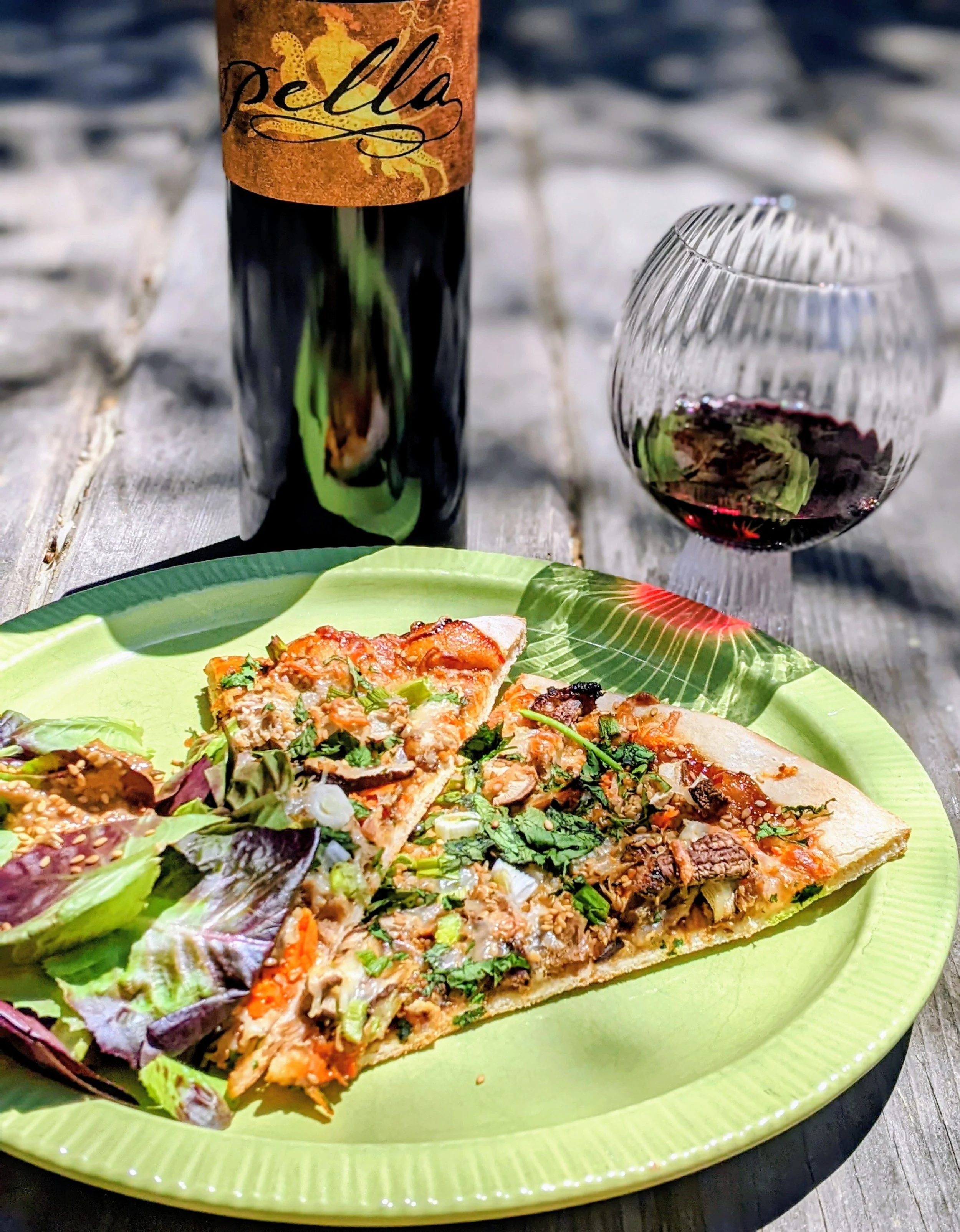
Try this at home: Hoisin Duck Pizza is the kind of thing I’ll make on a quiet Saturday. Early in the day, I’ll rub two duck breasts with soy sauce, honey, and Chinese five spice powder. I’ll cook them low and slow at 275 degrees F for two hours while I catch up on other things. The meat emerges tender and crispy. When shredded and mixed with juices and fat, it tastes like confit.
Later that evening, I’ll roll out the pizza dough and spread it with hoisin sauce, then scatter on shiitake mushrooms, shredded carrot, green onion, and duck, followed by mozzarella and sesame seeds. After baking, I’ll add chopped cilantro.
My inspiration for the recipe comes from the book Pacific Flavors by Hugh Carpenter, published in 1988. His recipe for Chinese Duck Pizza recommends shredding the meat from a roast Peking duck; I’ve always wanted to pick up a crispy, lacquered duck from one of those shops in the Bay Area where they hang temptingly in the front window.
The first time I made this pizza was in the kitchen of my college dorm in the 1990’s, and I made it for Kristof. “Fusion” cooking may have been a fad back then, but I think of it as the way we eat here in California. Tonight’s leftover stir-fry may end up in tomorrow’s tacos, alongside a bowl of baba ghanoush.
Why it works: Any time I reach for bold, deep flavors like Chinese five spice, anise, dark soy, and hoisin, I think I might be in Cabernet country. The combination of meaty duck, aromatic vegetables, and tangy hoisin vibes beautifully with our ‘22 PELLA Cabernet Sauvignon Napa Valley bringing out the bright, red fruit flavors of cherry and Satsuma plum.
“The Maillard reaction occurs in sugars and amino acids when the temperature rises sharply, such as during the cooking of meat or the toasting of the inside of oak barrels. These processes generate colored, aromatic substances (melanoids) that can be found in grilled meat and the crust of toasted bread, as well as in wine.”
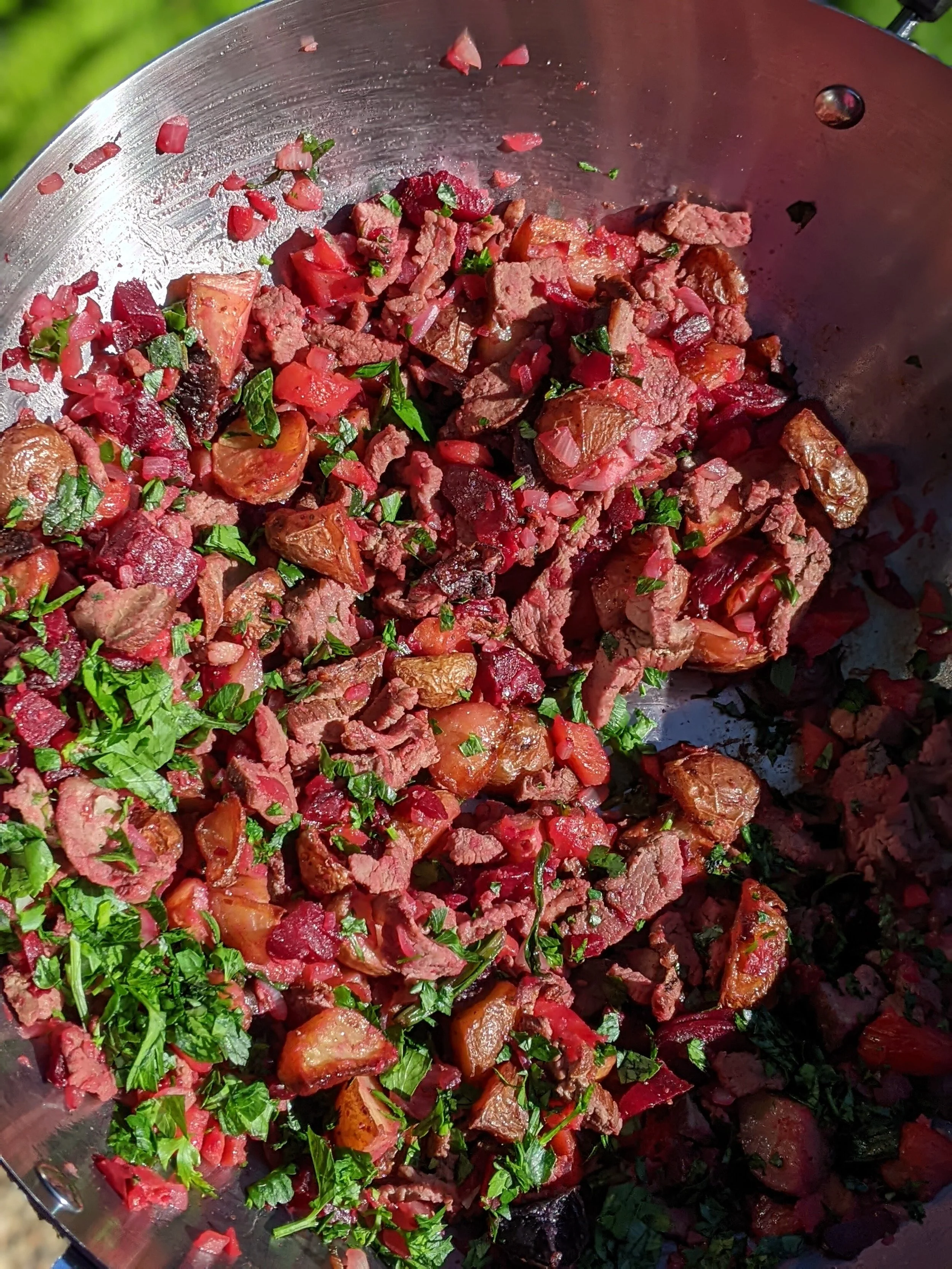
Red Flannel Hash
Cabernet Cooking: Luxurious Leftovers. “Mom,” my twenty-something daughter teases me, “is your artisanal hash ready yet?”
“Almost,” I say, teasing her back. “If only I had some quail eggs for garnish.” The recipe is from my grandmother’s 1949 copy of The Prudence Penny Regional Cookbook, and it was traditionally the second appearance of a New England boiled dinner: beets, potatoes, and chopped beef sauteed together.
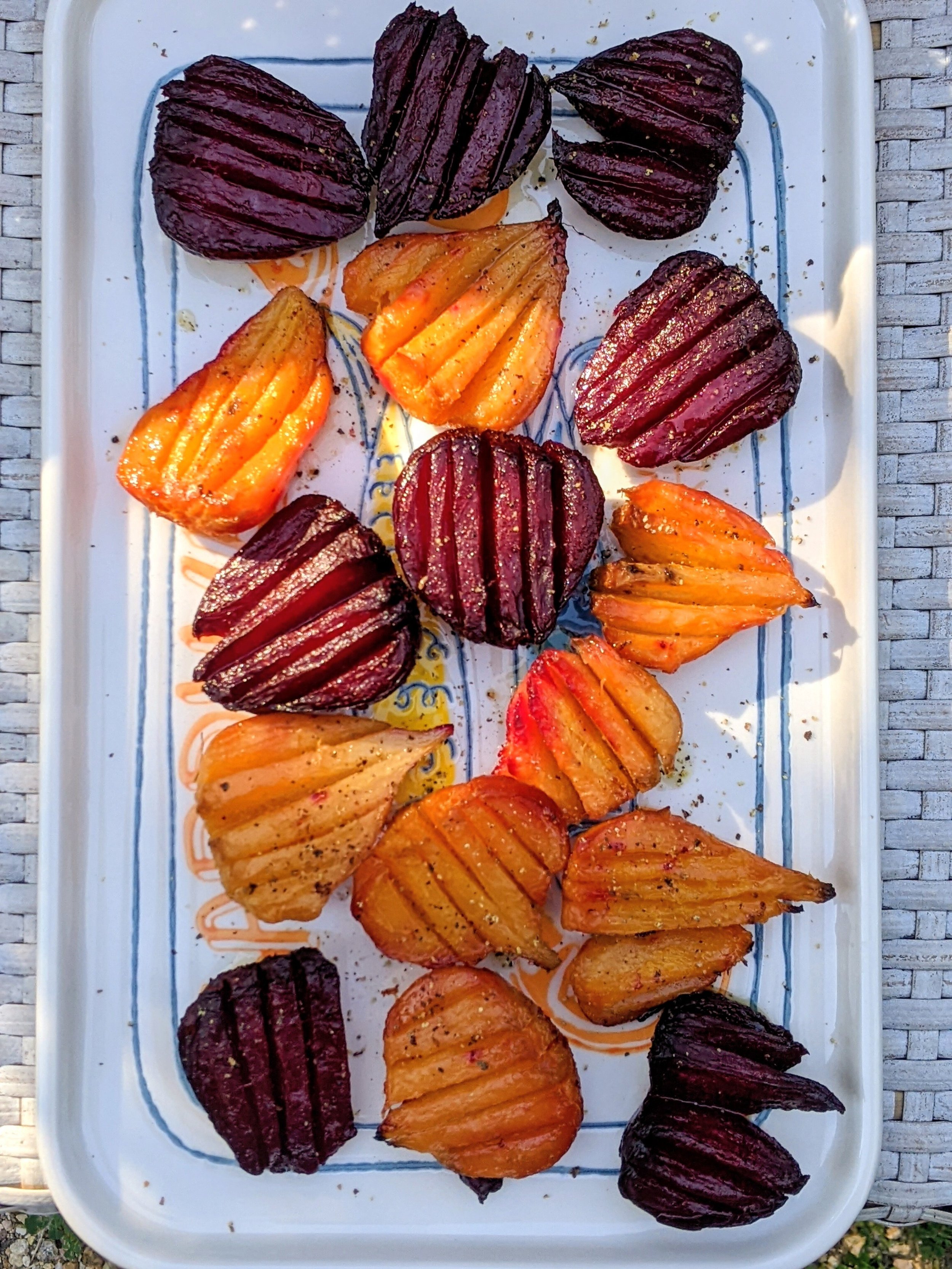
My version has leftover hasselback beets, roasted in lime and ginger butter, leftover potatoes crisped in duck fat, onions, beet tops, leftover burnt ends, generous salt and pepper, a squeeze of lime, and a handful of parsley. The only thing keeping my version from being a twenty dollar entree at a trendy Oakland cafe is a nice garnish, I think.
These are easy leftovers, perfect with good bread, spicy arugula dressed with lemon and olive oil, and a glass of Cabernet Sauvignon. Why this works: You could call the wine a condiment, the way it transforms and expands on the flavors of the hash. Cabernet loves the black pepper, lime, and ginger. The ‘22 PELLA Cabernet Sauvignon tastes of bright, juicy cherries and plums, with cinnamon stick and mocha richness, and a freshness of violets, roses, and tangerine skins.
Serves 4
6 medium beets, cooked, plus beet tops (if you have them)
4 medium potatoes, cooked
1 cup chopped beef
Salt and pepper
3 T. butter
Half an onion
1 tsp. ginger
Squeeze of lime juice
Handful of Parsley
Chop beets and potatoes, mix with chopped beef and beet tops, and season with salt and pepper. Melt butter in pan with ginger. Add onion and cook until softened. Add meat and vegetables and fry until browned. Squeeze lime juice over mixture, add a handful of parsley, and serve. (Yes, you could nestle a few raw eggs on top and cover until they are gently cooked through.)
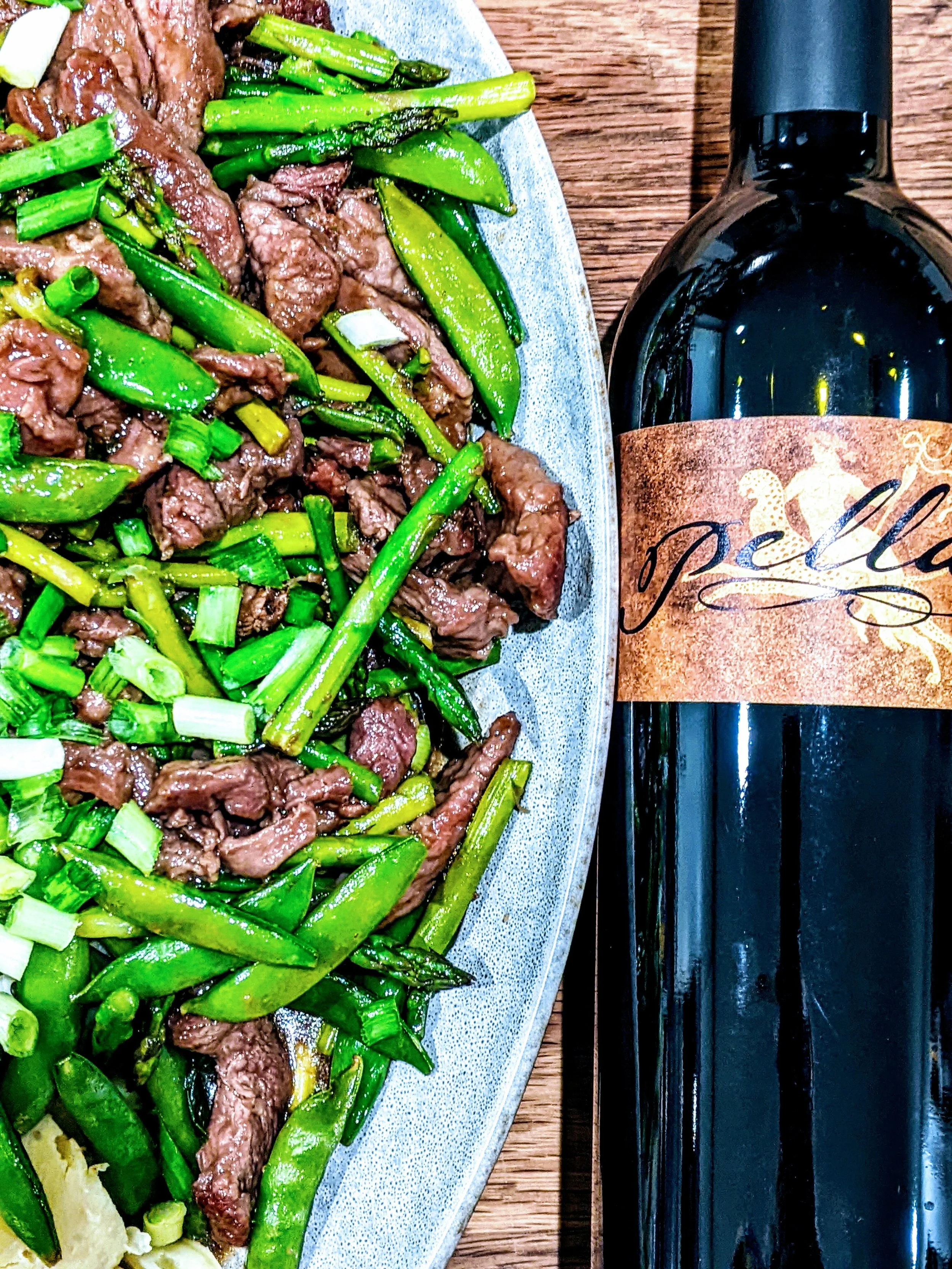
Try this at home. A fresh take on pairing Steak and Cab: stir-fried steak and green vegetables. It’s not that we don’t love steak house menus. It’s just that we eat more simply at home. (And we still drink Cabernet.)
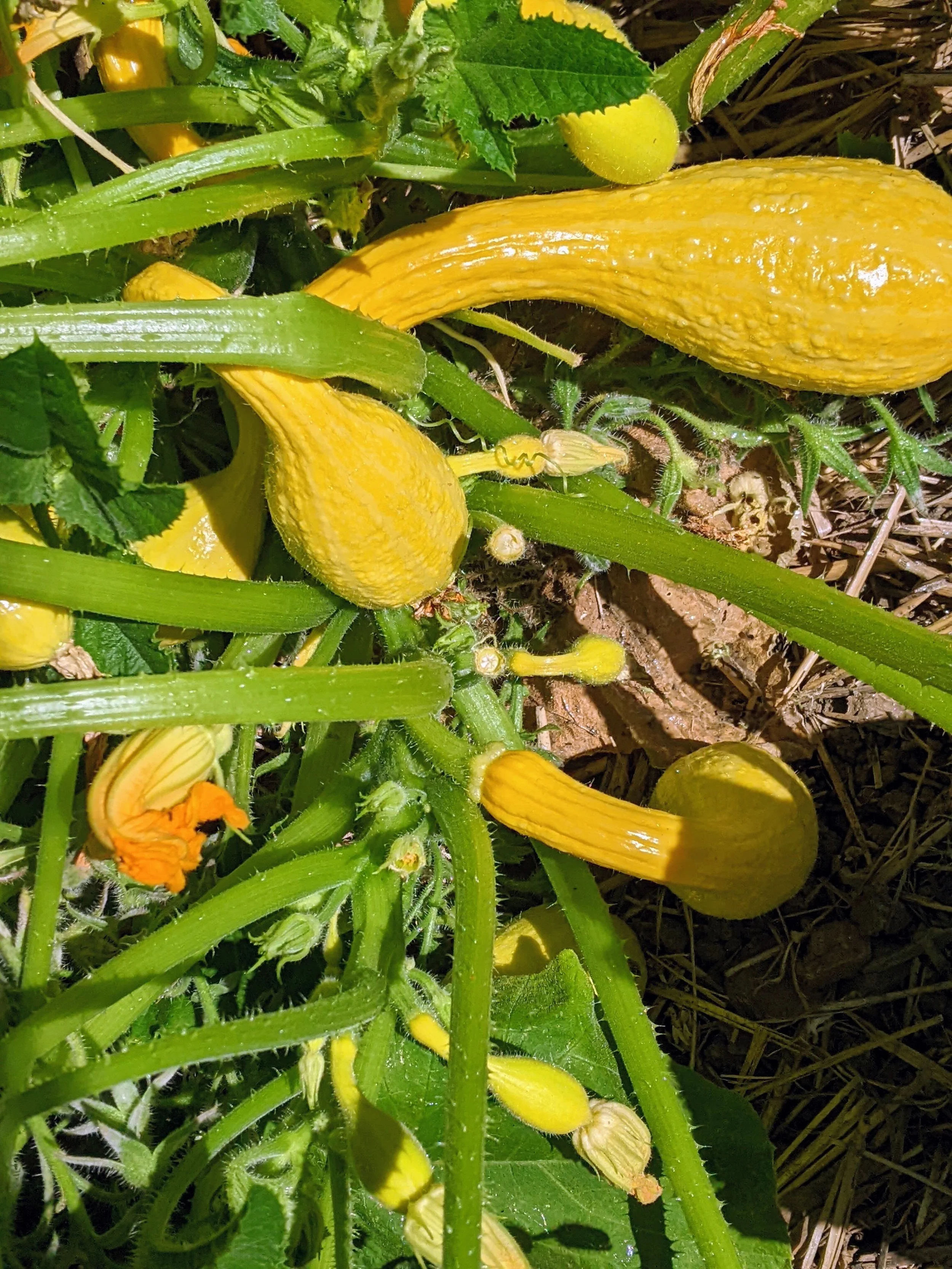
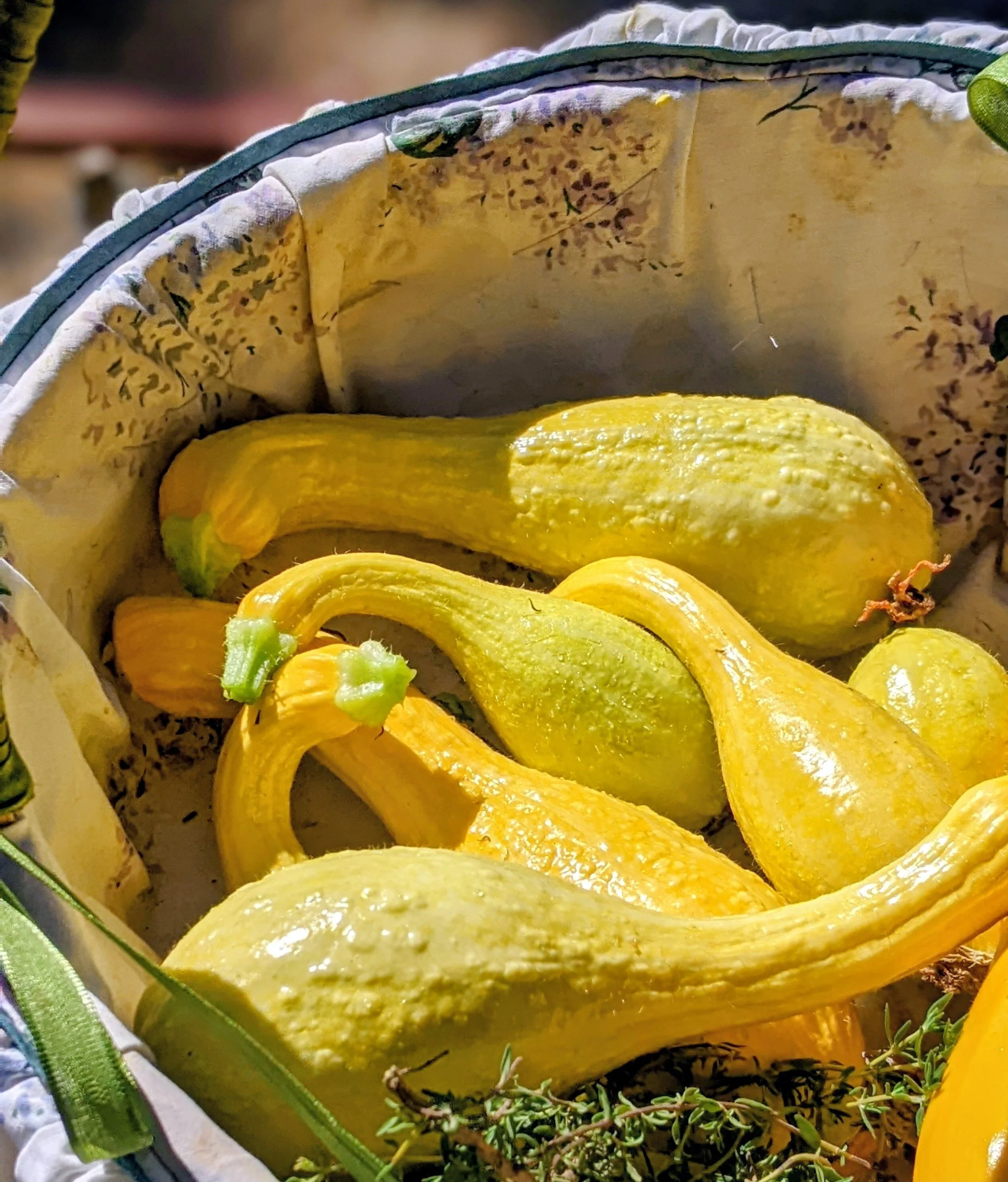
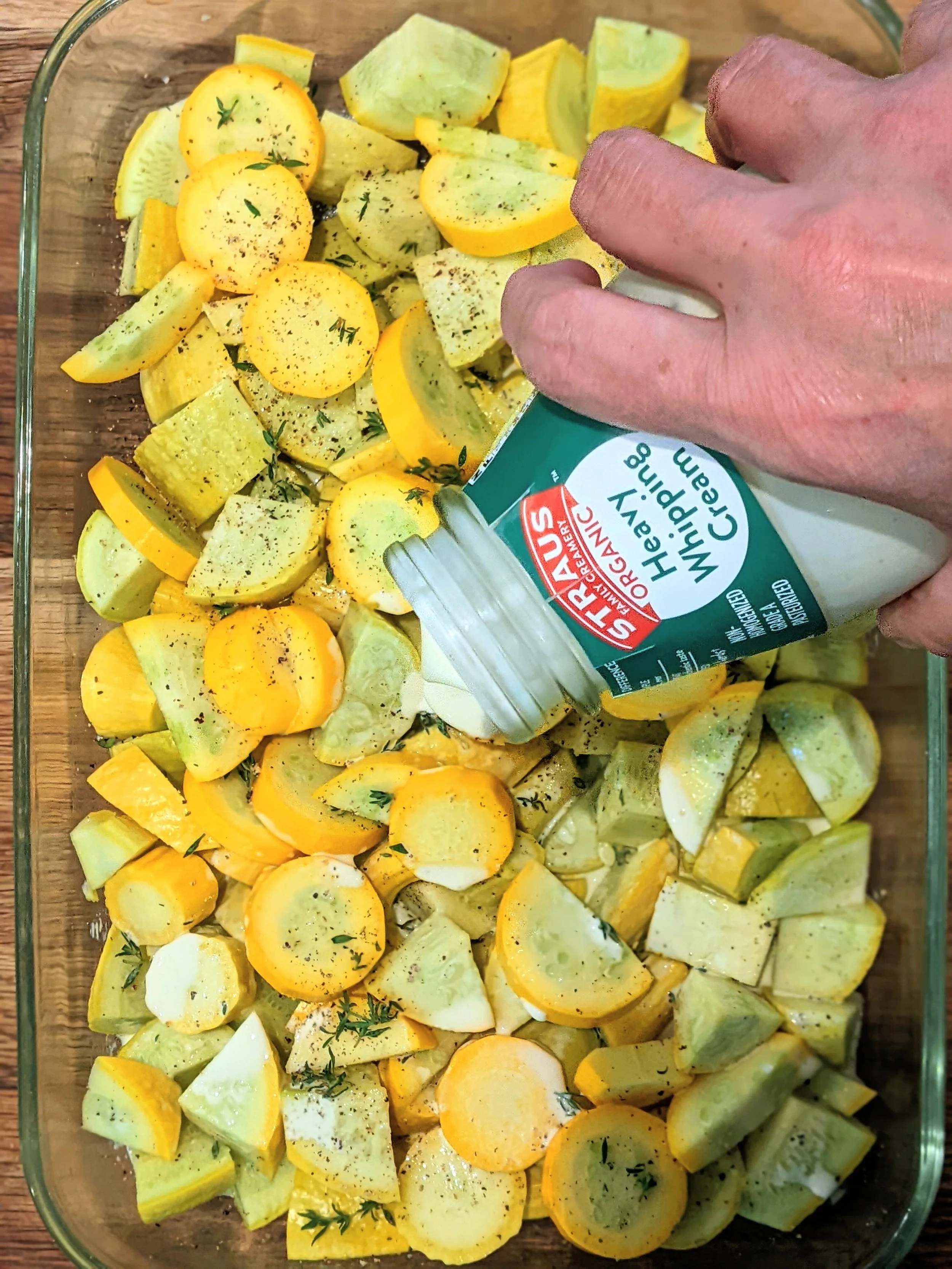
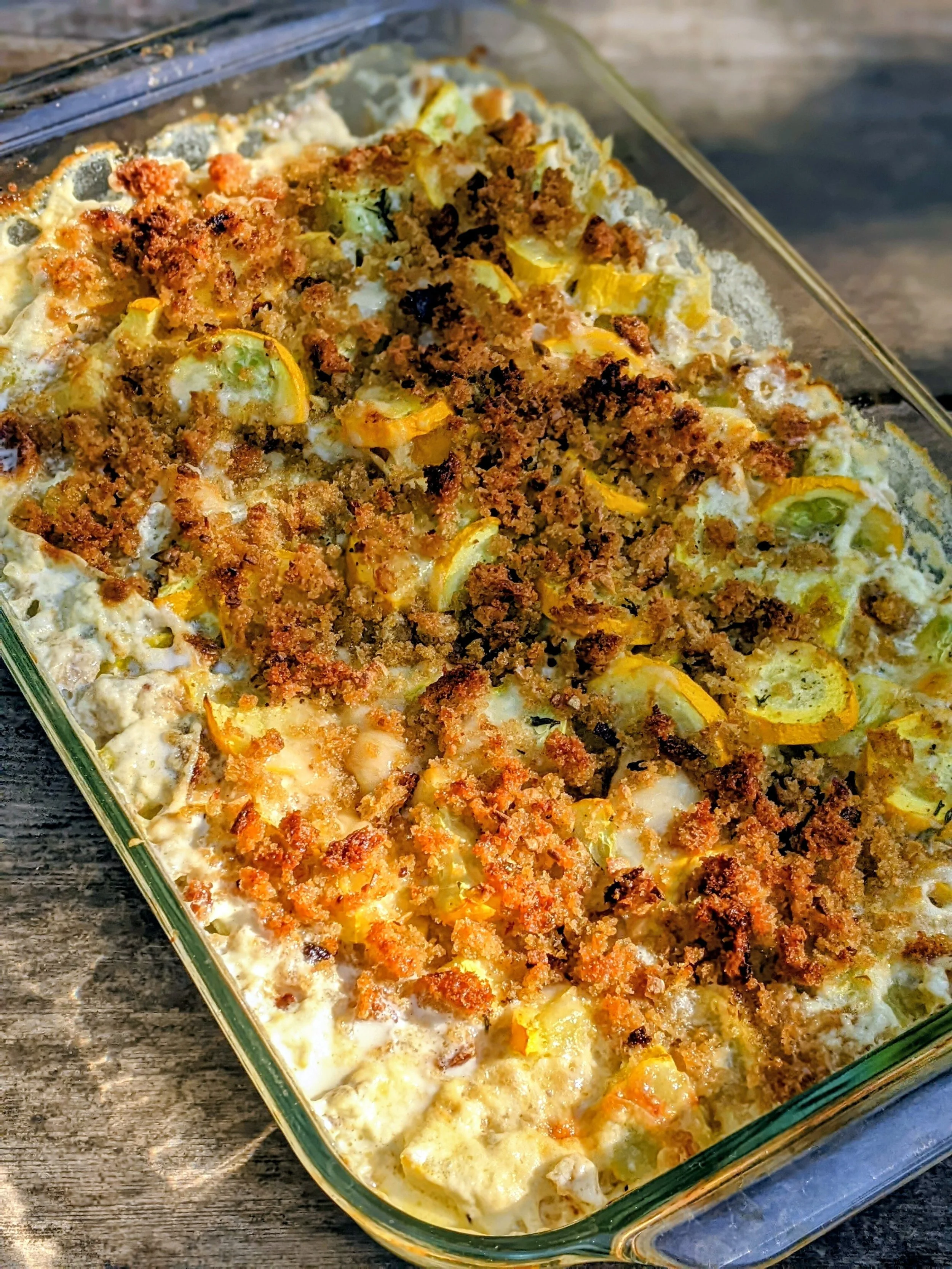
Try this at home: Summer squash gratin that couldn’t be simpler to make. Season squash pieces with salt, pepper, and thyme. Pour heavy cream over squash. Top with Parmesan and bread crumbs fried in olive oil with garlic. Bake at 400 degrees F for about 30 minutes, until the cream is bubbly and thickened, and the squash is browned and caramelized. Delicious with Cabernet Sauvignon! Why this works: squash, thyme, garlic, Parmesan, and wheat vibe with the flavors in Cabernet. Additionally, toasty breadcrumbs and browned squash pair well with the toasty vanilla flavors in wine aged in toasted oak barrels. The gratin has salt, fat, protein, and body such that it is not overwhelmed by the powerful wine.
Kristof’s take on pairing wine with food is that a “balanced” wine, one in which fruit, tannins, and acids are harmonious, will be enjoyable with pretty much any “balanced” dish, one in which fat, acid, and salt are harmonious. Having said that, many wines are out of balance, including Cabernets from the Napa Valley.
I recently tasted an expensive Cabernet Sauvignon with national distribution in fine dining restaurants that I found undrinkable, as it was heavily extracted, massively tannic, monstrously high in alcohol, and powerfully acidic enough that I guessed the winemaker had added malic acid to the final blend. A wine like that, if one drinks it at all, is best left to red meat.
A balanced or more elegant style Cabernet Sauvignon offers a greater range of opportunities for harmonious pairing with food. Yet some pairings will always be better than others, and not all good pairings will be “sublime.” So, what about a “good enough” pairing?
I’m a fan of the good enough pairing because I may have a delicious Cabernet Sauvignon in my glass, but I may not be in the mood to eat a T-bone steak, Gorgonzola cheese, or a dry-aged game bird. Or, even if I am, risotto’s what’s for dinner.
This is where it’s helpful to know about ingredients that play “supporting” or bridging roles between the wine and the dish. Ultimately, trends come and go; pairing ingredients to wine based on aromatic compounds may be the new method that disrupts the inherited wisdom in pairing encyclopedias, but ultimately, it’s the individual cook in the kitchen who must decide what tastes good. I am consistently surprised by pairings that work and don’t work.
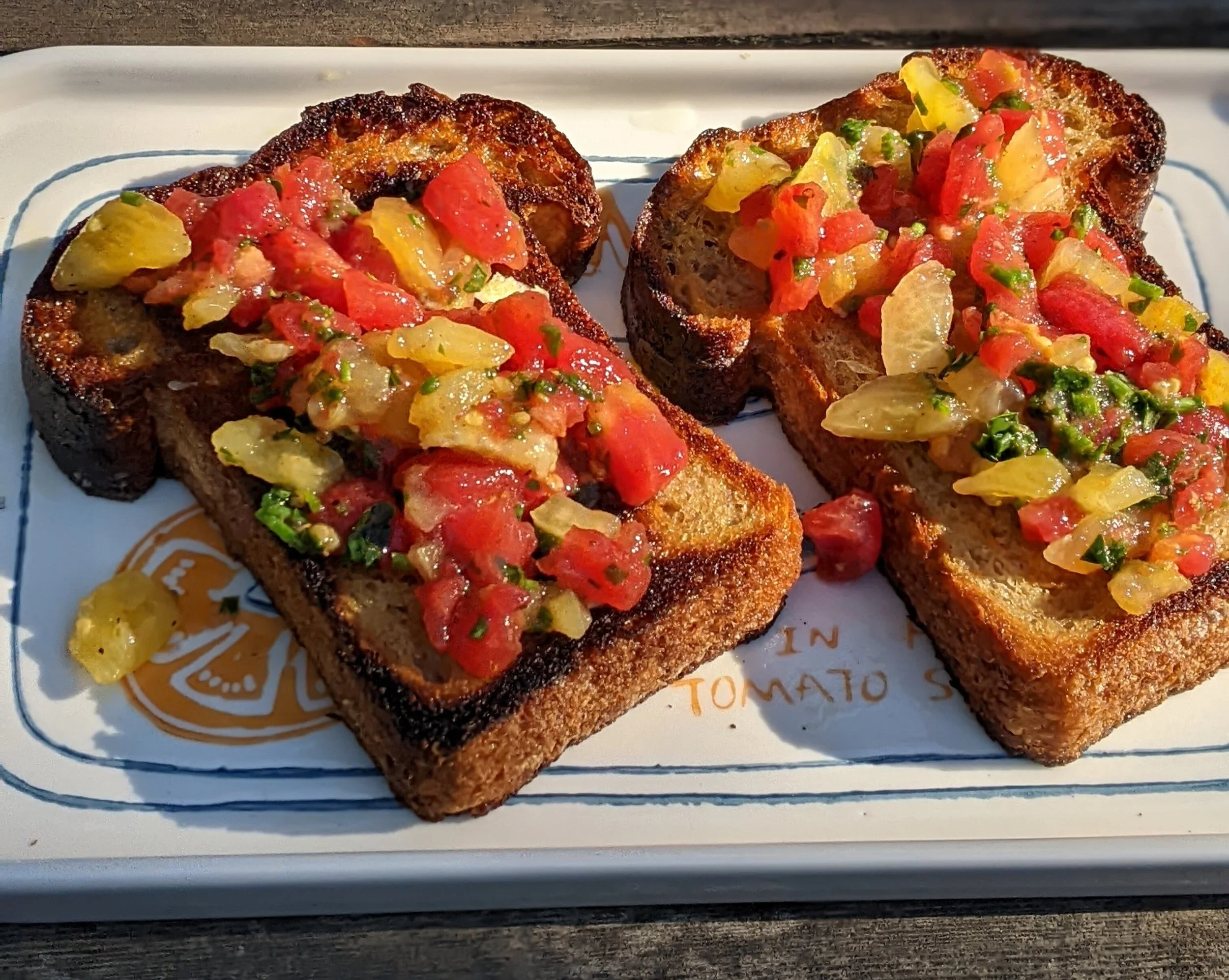
The “good enough” pairing that’s actually pretty darn good: Bread Fried in Olive Oil and Butter, Rubbed with Garlic, and Topped with Diced Fresh Garden Tomatoes, Basil, Chives, Mint, Salt, and Pepper.
This pairing surprised me. We had opened a bottle of our Sauvignon Blanc, aged in stainless steel, and a bottle of our Cabernet Sauvignon, aged in new French oak, and we preferred the fried bread with tomato paired with Cabernet. Fresh basil and mint vibe equally well with both wines, but I tend to prefer unoaked Sauvignon Blanc with fresh garden tomatoes.
In this case, frying my hefty, artisanal bread to a caramelly, golden brown created “Maillard reaction” flavors similar to those from a toasted oak barrel, overpowering the crisp white, yet harmonizing with the red. This particular Cabernet Sauvignon was acidic enough to pair well with the acidic tomatoes and sourdough bread flavors that could otherwise easily overwhelm the nuanced flavors in Cabernet.
I don’t doubt a sommelier somewhere could suggest a soulmate pairing—maybe a barrel-aged Chenin Blanc, a refreshing yet muscular Rosato, or a lightly chilled, herbal Chinon—but we were pleased with our Cabernet and toast.
“Basil, bay leaf, aged/blue/stinky cheeses, Gorgonzola cheese, aged Gouda cheese, Parmesan cheese, black currants, stronger egg dishes, eggplant, light garlic, lentils, mint, mushrooms, Dijon mustard, nuts, onions, oregano, pasta, black pepper, bell peppers, potatoes, red wine sauce, risotto, rosemary, thyme, grilled vegetables, walnuts.”
Salanova Lettuce with Roquefort Dressing, Celery, Radishes, & Scallions
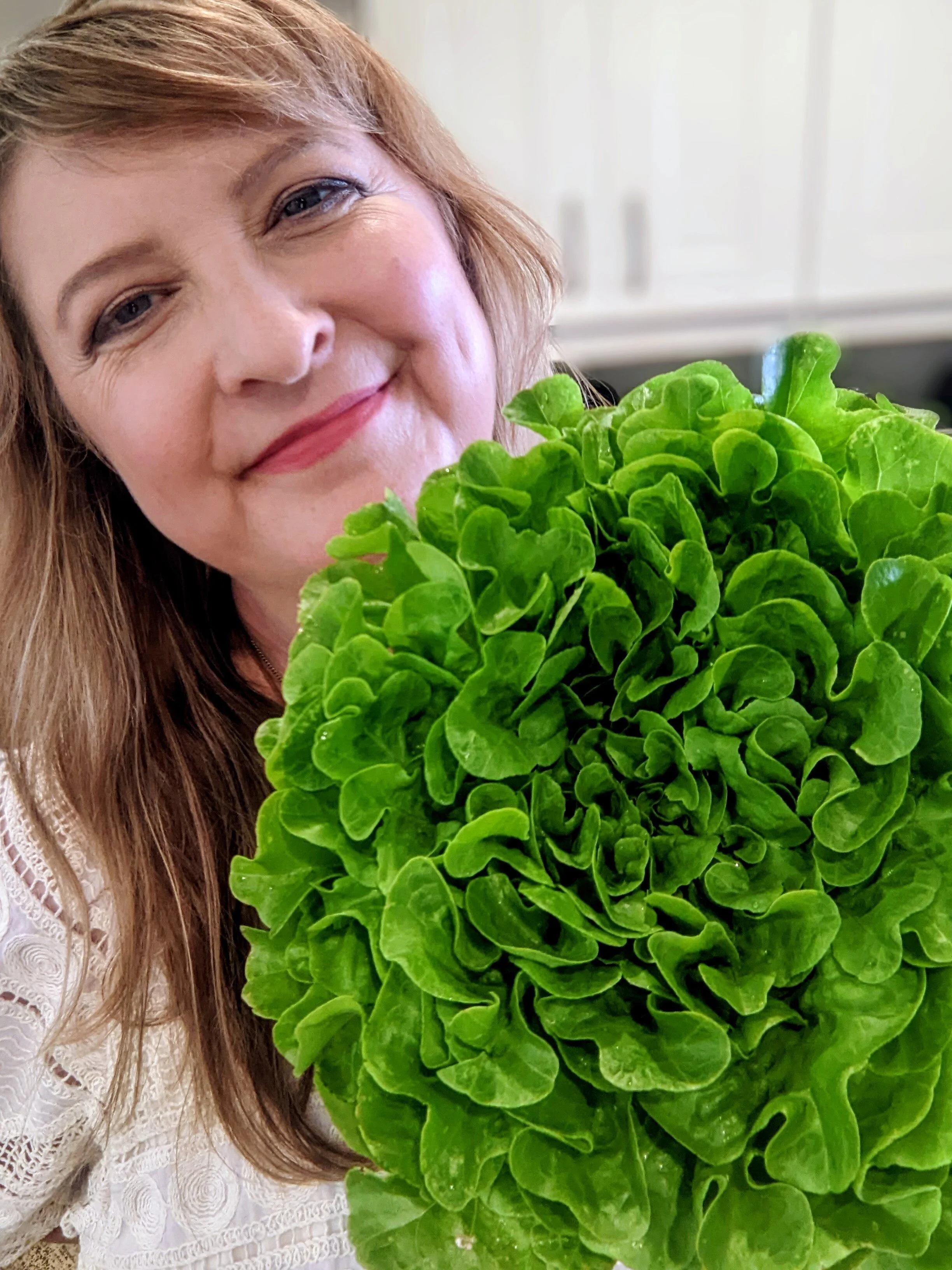
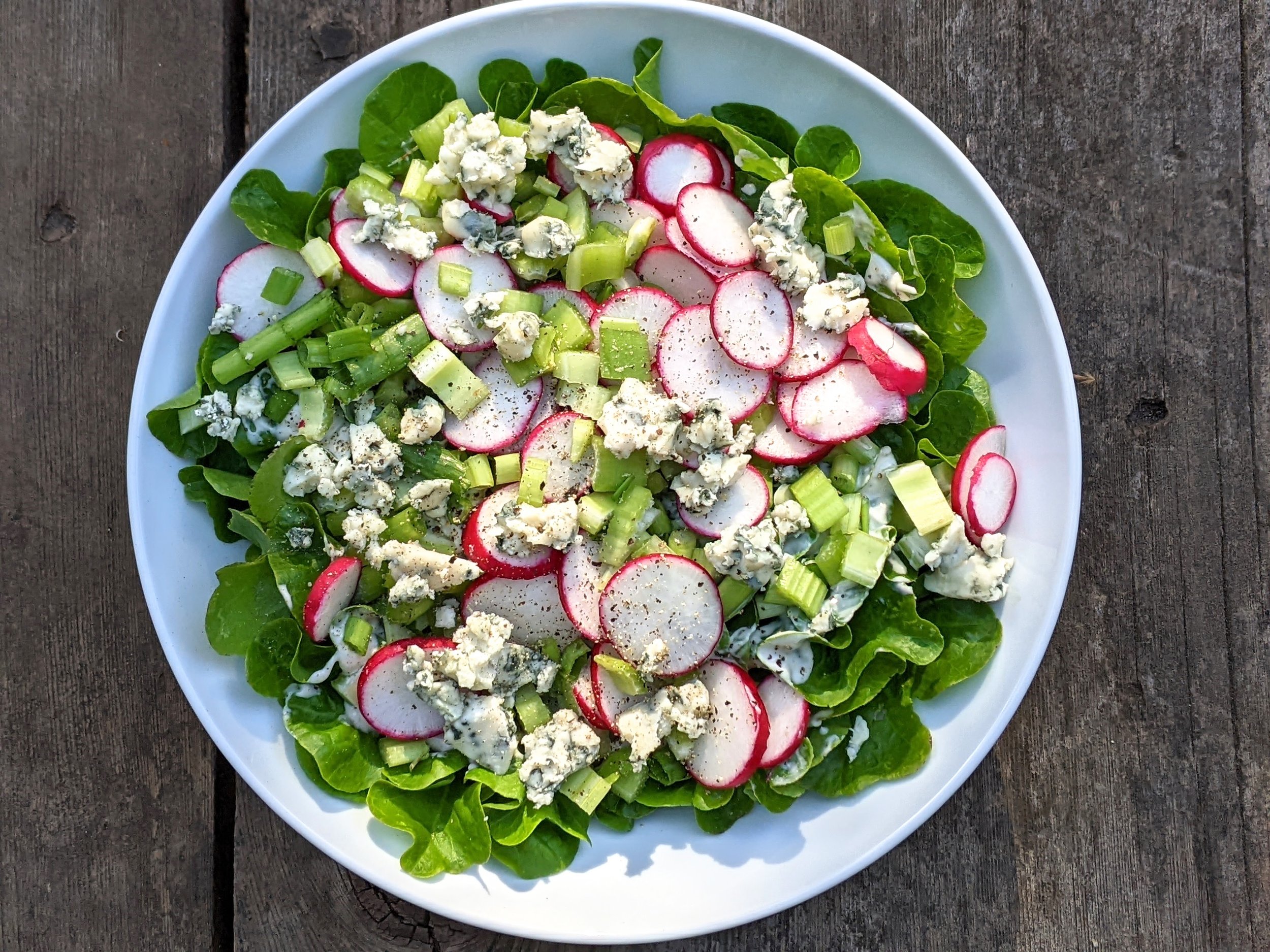
Salad with Cabernet Sauvignon? Yes, please! The inspiration for this salad started with a pretty head of Salanova lettuce from our summer garden.
Harvesting at the base and keeping the lettuce intact made it easy to wash and dry; snip a little higher up, and the lettuce falls apart into tiny, individual leaves.
I kept the lettuce whole, smeared it with creamy Roquefort dressing, and topped it with crunchy celery, radishes, and scallions, plus more crumbled cheese, taking my cue from Ina Garten’s iceberg wedge in Make it Ahead.
Roquefort blue cheese, radishes, and celery would pair beautifully with Cabernet Sauvignon, I imagined, and the dressing had only a tablespoon of balsamic vinegar, so I didn’t see a potential clash.
And yet. I tasted the salad first with a glass of inexpensive California Cabernet Sauvignon from the grocery store. You’d recognize the brand. The wine was a surly, sour Cabernet with a plasticky aroma, a manufactured flavor and rough texture, not just of oak chips, but of oak powder. When paired with my salad, both tasted worse.
“Go head, open a bottle,” Kristof said. I poured us each a glass of 2022 PELLA Cabernet and tried again. When paired together, both the wine and the salad tasted delicious! You might think this would make me happy, but it has blasted any plans to make a definitive Cabernet and vegetarian recipe guide.
I can only reliably say what pairs well with this particular Cabernet. And I suppose that’s why most pairing guides stick to steak. The perfumed, herbal aroma of the wine, sleek body, lifted acidity, and flavors of savory rhubarb make it an elegant partner for so many more dishes than its coarser cousin.
Problematically, collectors of Cabernet Sauvignon, mostly men, don’t think about pairing wine with food and tend to dislike elegance and refinement in a Cabernet. Somms, in my experience, tend to hate Cabernet Sauvignon in general, so I’m basically sunk, writing (as per usual) about things people don’t “get.”
Nonetheless, here’s my message in a bottle for anyone who appreciates a refined Cabernet Sauvignon meant to be enjoyed with everyday home cooking instead of stored in a vault.
Creamy Roquefort Dressing
4 ounces Roquefort cheese, crumbled
2/3 cup homemade mayonnaise
1/3 cup plain Greek yogurt
1 T. balsamic vinegar
Sea salt and lots of ground pepper
Soften the blue cheese by gently warming in the oven until it begins to melt. Combine with the other ingredients in a food processor and process until smooth.
Basil, Black Pepper, and Caramelized Onion Pasta
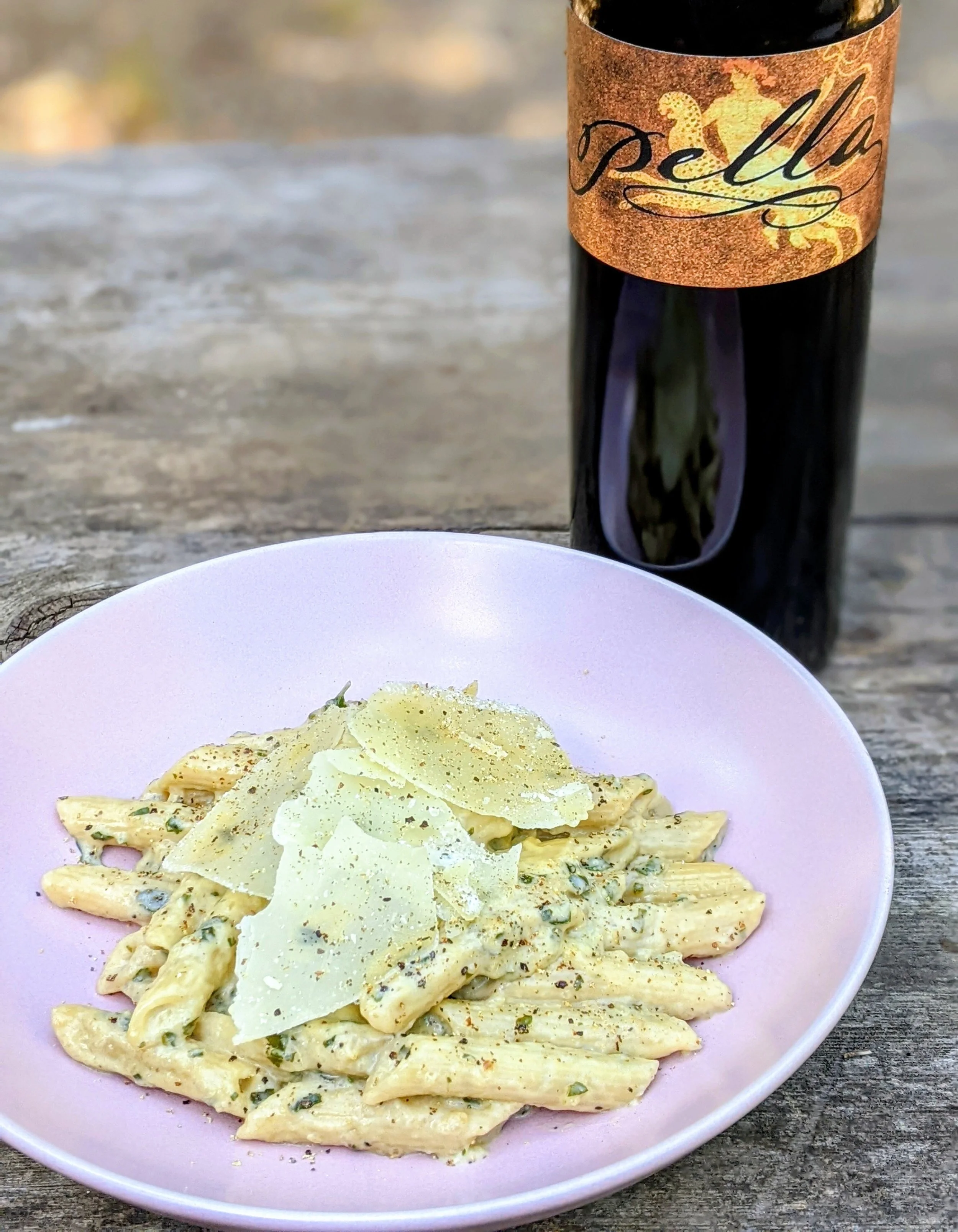
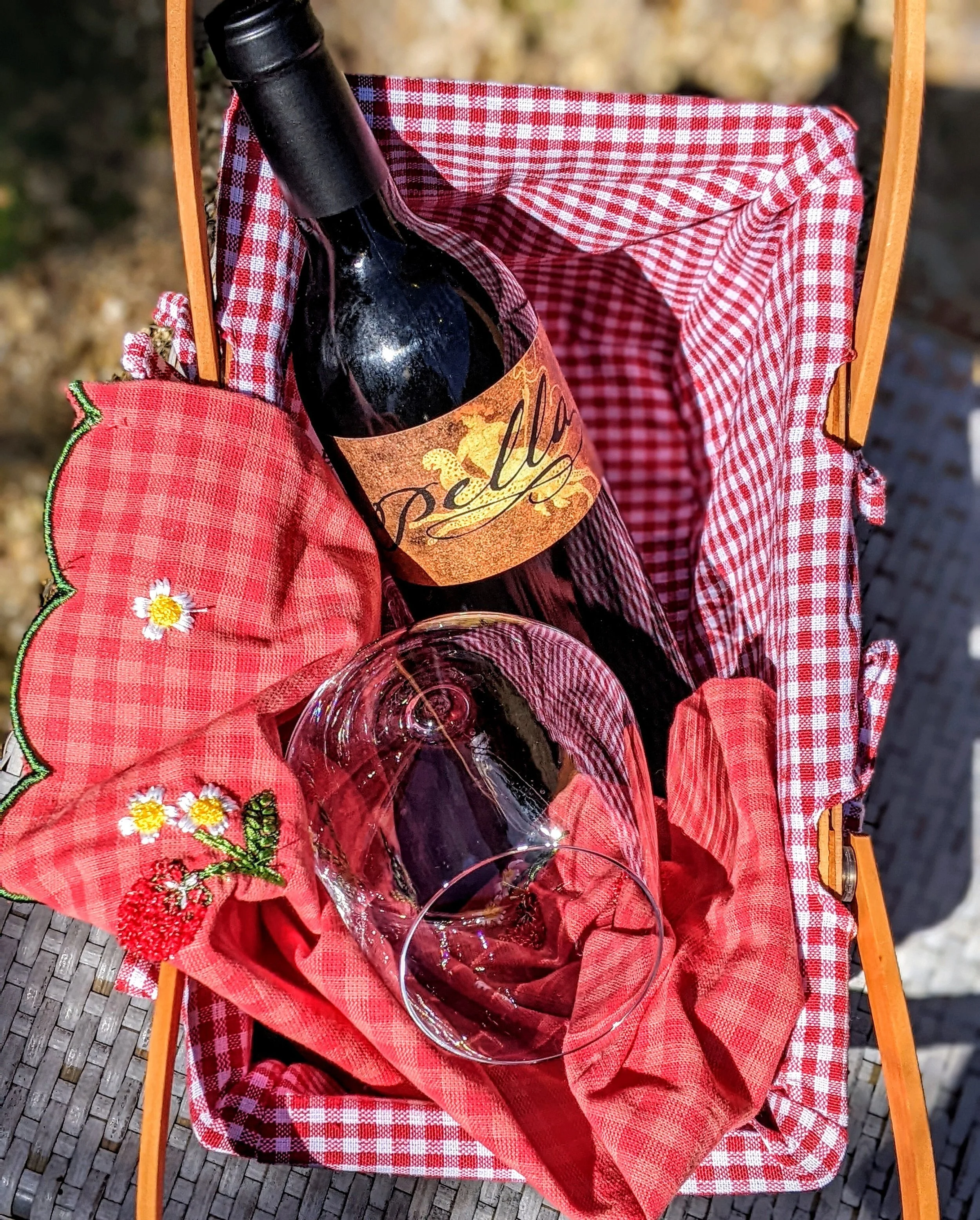
Basil pesto pasta can pair equally well with a crisp white wine like Sauvignon Blanc and with Cabernet Sauvignon, which loves herbaceous basil. Caramelized onions give this sauce structure and airy texture while tipping the scales in Cabernet’s favor. Our recent garden-inspired Sunday supper started with raw summer squash tartare (with almonds and Parmesan), paired with a glass of 2022 SANNA Sauvignon Blanc, followed by the pasta with a side of fried bread with tomato and a glass of 2022 PELLA Cabernet Sauvignon. The pasta and Cabernet combination was perfect!
Serves 4
3 large Vidalia onions, diced
2 T. olive oil, 2 T. butter
3 cloves garlic, diced
White wine
Salt and pepper
Handful of basil leaves, washed and coarsely chopped
1/3 cup Parmesan
½ cup heavy cream
Over medium-low heat, gently cook the onions until tender and caramelized taking as long as 45 minutes (depending on moisture content) to cook them down without excess browning. Season and add garlic, then add a splash of white wine and cook a few minutes more. Add onion mixture, basil, Parmesan, and heavy cream to a blender or food processor and puree. Return to pan. Add partially-cooked pasta of your choice and heat until the pasta is firm and chewy. Serve with more basil, black pepper, and shaved Parmesan on top.
“Too much Napa Cabernet was trained for the critic’s glass rather than the dinner table...A wine can impress in thirty seconds and exhaust in thirty minutes...The modern table has moved on. It is lighter, more varied, more vegetable-driven, more global, and less reliably built around a marbled steak.”